This website is managed by Ultima Markets’ international entities, and it’s important to emphasise that they are not subject to regulation by the FCA in the UK. Therefore, you must understand that you will not have the FCA’s protection when investing through this website – for example:
You will not be guaranteed Negative Balance Protection
You will not be protected by FCA’s leverage restrictions
You will not have the right to settle disputes via the Financial Ombudsman Service (FOS)
You will not be protected by Financial Services Compensation Scheme (FSCS)
Any monies deposited will not be afforded the protection required under the FCA Client Assets Sourcebook. The level of protection for your funds will be determined by the regulations of the relevant local regulator.
Note: UK clients are kindly invited to visit https://www.ultima-markets.co.uk/. Ultima Markets UK expects to begin onboarding UK clients in accordance with FCA regulatory requirements in 2026.
If you would like to proceed and visit this website, you acknowledge and confirm the following:
1.The website is owned by Ultima Markets’ international entities and not by Ultima Markets UK Ltd, which is regulated by the FCA.
2.Ultima Markets Limited, or any of the Ultima Markets international entities, are neither based in the UK nor licensed by the FCA.
3.You are accessing the website at your own initiative and have not been solicited by Ultima Markets Limited in any way.
4.Investing through this website does not grant you the protections provided by the FCA.
5.Should you choose to invest through this website or with any of the international Ultima Markets entities, you will be subject to the rules and regulations of the relevant international regulatory authorities, not the FCA.
Ultima Markets wants to make it clear that we are duly licensed and authorised to offer the services and financial derivative products listed on our website. Individuals accessing this website and registering a trading account do so entirely of their own volition and without prior solicitation.
By confirming your decision to proceed with entering the website, you hereby affirm that this decision was solely initiated by you, and no solicitation has been made by any Ultima Markets entity.
Discover who invented the stock market, from the Dutch East India Company to modern exchanges like the NYSE and NASDAQ. See its evolution through history.
The stock market, a vital component of the global economy, is often thought of as an arena for buying and selling shares of companies. But the origins of this complex financial system stretch back hundreds of years, evolving through the efforts of numerous individuals, groups, and institutions.
Understanding who invented the stock market isn’t as simple as attributing it to a single person. Instead, it was a gradual process shaped by various pioneers and events that laid the groundwork for what we know today.
Early Concepts of the Stock Market
The concept of raising capital through shared ownership isn’t new. In ancient times, traders and merchants would pool resources to fund large ventures, such as shipping expeditions or building infrastructure.
While these early methods were primitive compared to modern stock markets, they served as a foundation for the idea of collective financial investment.
One of the earliest forms of stock trading occurred in the Roman Empire, where government debt was sold to citizens in exchange for a share of future tax revenues. However, this practice was limited, and it wasn’t until much later that the more formal structure of stock markets began to take shape.
The Dutch East India Company
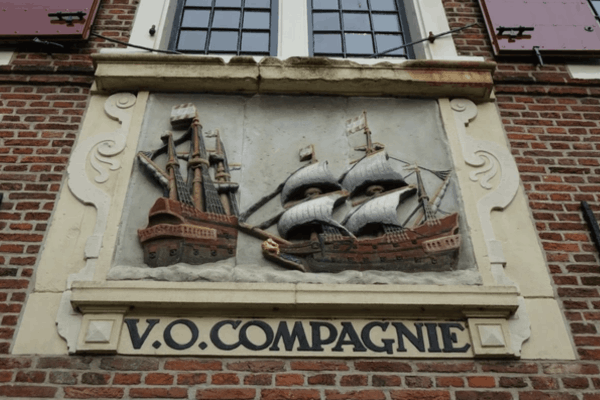
A significant milestone in the history of stock markets came with the creation of the Dutch East India Company (VOC) in 1602.
A Milestone in Stock Market Development
The company, based in Amsterdam, became the world’s first publicly traded company. To fund its global trade operations, the VOC issued shares that could be bought and sold by investors. This allowed people to invest in the company’s operations and share in its profits without needing to directly participate in day-to-day operations.
The idea of buying and selling shares of a company gained traction, and Amsterdam’s stock exchange, known as the Amsterdam Stock Exchange, became the world’s first official stock exchange.
The VOC’s shares were traded on this exchange, marking the beginning of modern stock market operations. The creation of the Amsterdam Stock Exchange is often credited as the birthplace of the stock market as we know it today. The success of the VOC and the Amsterdam Stock Exchange marks a significant milestone in the history of who invented the stock market.
The Birth of the New York Stock Exchange (NYSE)
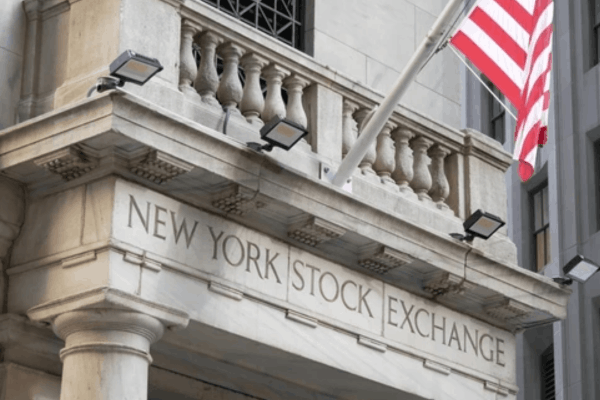
While the Amsterdam Stock Exchange set the stage for modern stock markets, the New York Stock Exchange (NYSE), founded in 1792, is often regarded as one of the most influential exchanges in history.
The origins of the NYSE trace back to the Buttonwood Agreement, which was signed by 24 stockbrokers under a buttonwood tree on Wall Street in New York City. The agreement created an organized and regulated space for buying and selling stocks, eventually evolving into the NYSE.
Over time, the NYSE became the largest and most prominent stock exchange in the world, continuing to set the standard for stock trading globally.
Other Key Figures in Stock Market Development
While the development of the stock market was influenced heavily by institutional entities like the Dutch East India Company and the NYSE, many individuals played significant roles in shaping the financial landscape. For example:
John Law
A Scottish economist who pioneered the idea of a central bank and government-backed paper currency in France during the early 18th century. His efforts to establish a financial market system, though controversial, influenced stock market principles.
J.P. Morgan
A prominent American financier who helped shape the financial industry in the late 19th and early 20th centuries. He played a crucial role in the development of investment banking and corporate finance, contributing to the expansion of the stock market in the United States.
The Stock Market’s Evolution
Since its inception, the stock market has undergone numerous transformations. From the trading floors of the NYSE to the digital platforms of today, technology has revolutionized the way stock trading operates.
Automated systems, electronic trading platforms, and algorithms now control a significant portion of the market, making it faster, more accessible, and more complex.
Moreover, regulatory frameworks have been established to protect investors, prevent fraud, and ensure transparency. These regulations have helped to build trust in the stock market, making it a central pillar of modern economies.
Conclusion
While no single person can be credited with “inventing” the stock market, it is clear that it emerged from a combination of innovative ideas, institutions, and key figures throughout history.
From the Dutch East India Company’s public share offerings to the establishment of the New York Stock Exchange, the stock market has evolved into a dynamic, global financial system.
Today, it continues to be a crucial part of the economic landscape, with millions of investors and traders participating in buying and selling stocks every day.
FAQs
What was the first stock market?
The first stock market was the Amsterdam Stock Exchange, founded in 1602, where the Dutch East India Company’s shares were traded.
When was the New York Stock Exchange founded?
The NYSE was founded in 1792 when 24 stockbrokers signed the Buttonwood Agreement in New York.
Who invented stock trading?
Stock trading evolved over time through the efforts of various merchants, companies, and financial institutions, with key milestones marked by the creation of the Amsterdam Stock Exchange and the New York Stock Exchange.
Share Now
Disclaimer:This content is provided for informational purposes only and does not constitute, and should not be construed as, financial, investment, or other professional advice. No statement or opinion contained herein should be considered a recommendation by Ultima Markets or the author regarding any specific investment product, strategy, or transaction. Readers are advised not to rely solely on this material when making investment decisions and should seek independent advice where appropriate.
Thank you for visiting the Ultima Markets website. Please note that this website is intended for individuals residing in jurisdictions where access is permitted by law. Ultima and its affiliated entities do not operate in your home jurisdiction.
By clicking ‘Acknowledge’, you confirm that you are entering this website solely on your own initiative and not as a result of any specific marketing outreach. You wish to obtain information from this website based on reverse solicitation principles, in accordance with the applicable laws of your home jurisdiction.