This website is managed by Ultima Markets’ international entities, and it’s important to emphasise that they are not subject to regulation by the FCA in the UK. Therefore, you must understand that you will not have the FCA’s protection when investing through this website – for example:
You will not be guaranteed Negative Balance Protection
You will not be protected by FCA’s leverage restrictions
You will not have the right to settle disputes via the Financial Ombudsman Service (FOS)
You will not be protected by Financial Services Compensation Scheme (FSCS)
Any monies deposited will not be afforded the protection required under the FCA Client Assets Sourcebook. The level of protection for your funds will be determined by the regulations of the relevant local regulator.
Note: UK clients are kindly invited to visit https://www.ultima-markets.co.uk/. Ultima Markets UK expects to begin onboarding UK clients in accordance with FCA regulatory requirements in 2026.
If you would like to proceed and visit this website, you acknowledge and confirm the following:
1.The website is owned by Ultima Markets’ international entities and not by Ultima Markets UK Ltd, which is regulated by the FCA.
2.Ultima Markets Limited, or any of the Ultima Markets international entities, are neither based in the UK nor licensed by the FCA.
3.You are accessing the website at your own initiative and have not been solicited by Ultima Markets Limited in any way.
4.Investing through this website does not grant you the protections provided by the FCA.
5.Should you choose to invest through this website or with any of the international Ultima Markets entities, you will be subject to the rules and regulations of the relevant international regulatory authorities, not the FCA.
Ultima Markets wants to make it clear that we are duly licensed and authorised to offer the services and financial derivative products listed on our website. Individuals accessing this website and registering a trading account do so entirely of their own volition and without prior solicitation.
By confirming your decision to proceed with entering the website, you hereby affirm that this decision was solely initiated by you, and no solicitation has been made by any Ultima Markets entity.
What Is Tariff? An In-Depth Analysis of Types, Economic Impacts, and International Disputes to Help Investors Gauge Market Dynamics.
What Is Tariff? How They Affect Global Trade
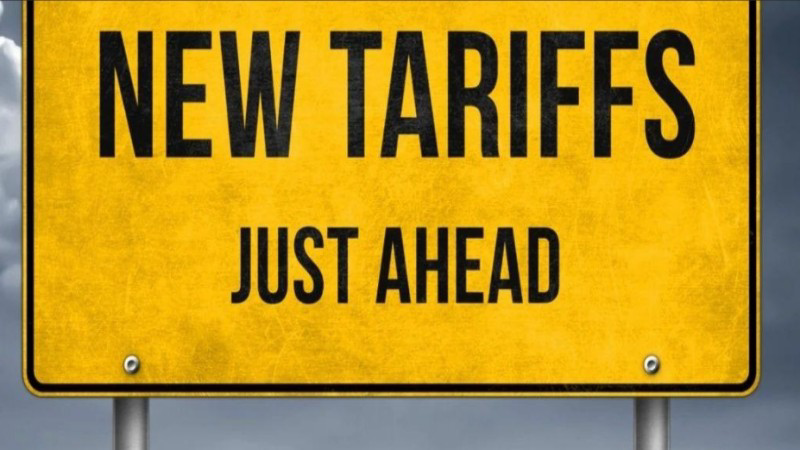
With global trade increasingly interconnected, Tariff serves as a vital market regulation tool with significant impact. Both investors and consumers should understand ‘What Tariff Is’ and grasp its influence on market dynamics and investment decisions.
What Is Tariff? Fundamental Concept Analysis
Understanding trade markets requires addressing ‘What Tariff Is’. Tariffs are taxes levied by governments on imported/exported goods, primarily aimed at regulating trade balances, protecting domestic industries, and increasing government revenue.
Tariff Types and Collection Methods Comparison Table
Tariff Type
Collection Method
Applicable Goods
Ad Valorem Duty
Percentage of goods’ value
Electronics, automobiles
Specific Duty
Per quantity/weight unit
Agricultural products, minerals
Compound Duty
Ad valorem + specific combined
Special import goods
Understanding these methods helps investors grasp market regulations.
How Tariffs Impact the Economic Environment
Understanding ‘What Tariff Is’ requires clarity on its economic pathways:
Strengthening domestic industry competitiveness
Increasing government revenue
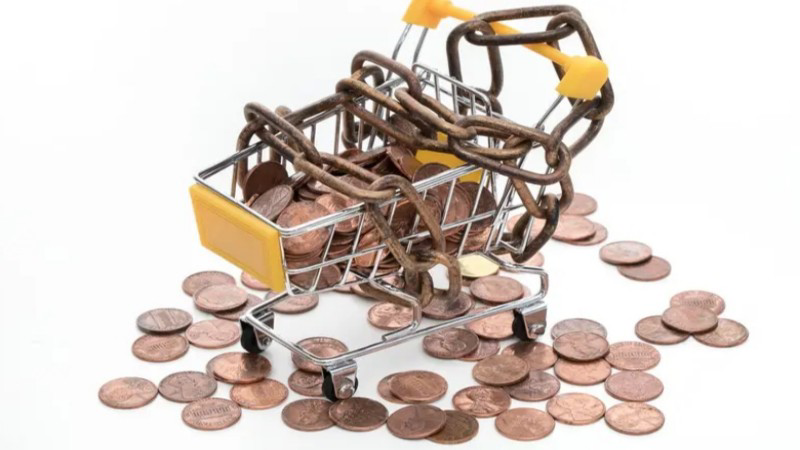
Raising consumer living costs
Triggering international trade friction
Interaction Between Tariffs and Free Trade Agreements
Another dimension of ‘What Tariff Is’? How Free Trade Agreements (FTAs) weaken tariff barriers. FTAs reduce/eliminate tariffs among member states, encouraging international trade flows, but may adversely impact domestic industries.
Relationship Between Tariffs and Inflation
When nations raise tariffs, imported goods prices inevitably increase, potentially driving up overall price indices and creating inflationary pressure. Conversely, lowering tariffs can curb inflation and stabilize the economic environment.
International Trade Disputes Triggered by Tariffs
High tariffs often ignite international tensions, and in May 2025, former US President Trump once again stirred trade turbulence.
He announced punitive tariffs of up to 50% on various goods from the EU (such as steel, auto parts and home appliances) citing “long-standing unfair trade surpluses and technological barriers” as the reason.
The EU swiftly retaliated with reciprocal tariffs on US agricultural products and digital services, filing a complaint with the WTO.
Market chain reactions emerged:
Stock volatility: Major US indices fell; European markets plunged at opening;
Commodity price surge: Steel and aluminum futures surged immediately;
Safe-haven asset shift: USD weakened as investors moved to gold/FX safe havens.
This case answers ‘what tariffs are’: a strategic instrument in geopolitical-economic games. For investors, monitoring such policy dynamics is essential for hedging and profit capture.
How Global Supply Chains Respond to Tariff Changes
Facing tariff policies, companies often adjust supply chains to reduce costs, such as relocating production bases to low-tariff countries, altering the global economic landscape. Supply chain restructuring will impact investors’ asset allocation.
How Ultima Markets Helps Investors Mitigate Tariff Risks
Investors should understand tariffs and leverage Ultima Markets’ advantages:
Providing diverse trading products (e.g., Forex, Commodities) to flexibly respond to market changes.
Professional market analysis to access real-time information.
Advanced trading technology platform offering a secure, rapid trading environment.
Premium multilingual customer support for comprehensive issue resolution.
These advantages can be immediately experienced through a trading account.
FAQ
Q: What are tariffs? Do all goods have them? A: Tariffs are taxes imposed by governments on imported/exported goods. Some goods are exempt (e.g., certain daily necessities), but most incur tariffs at varying rates based on national policies, particularly industrial and energy products.
Q: Will I pay tariffs when buying overseas goods? A: Yes. Purchases like foreign-brand apparel or electronics exceeding duty-free thresholds incur tariffs. This cost appears in logistics notices or final prices. Understanding “what tariff is” helps plan consumption effectively.
Q: How do companies reduce tariff costs? A: Companies apply for “Certificates of Origin” to enjoy preferential rates under free trade agreements, or restructure supply chains. Examples include shifting manufacturing to lower-tariff countries to reduce overall import taxes.
Q: Are my financial investments affected by tariff policies? A: Yes, especially stocks, futures, commodities, and forex tied to import/export trade. Without understanding “what tariff is” and their underlying logic, you may miss risk warnings and opportunity windows.
Using Ultima Markets’ Demo Account helps test the waters amid policy-driven market reactions.
Q: Can tariffs be completely avoided? A: Legally unavoidable, but optimizable through legitimate strategies. Examples: utilizing preferential origin sources, accurate HS code declarations, and negotiating pricing terms with overseas partners to lawfully reduce tariff costs.
Conclusion
A clear understanding of “What Tariff Is” is crucial for investors entering the global trade market. Tariff policies have broad impacts, and mastering their changes enables investors to make precise decisions and optimize investment outcomes.
Share Now
Disclaimer:This content is provided for informational purposes only and does not constitute, and should not be construed as, financial, investment, or other professional advice. No statement or opinion contained herein should be considered a recommendation by Ultima Markets or the author regarding any specific investment product, strategy, or transaction. Readers are advised not to rely solely on this material when making investment decisions and should seek independent advice where appropriate.
Thank you for visiting the Ultima Markets website. Please note that this website is intended for individuals residing in jurisdictions where access is permitted by law. Ultima and its affiliated entities do not operate in your home jurisdiction.
By clicking ‘Acknowledge’, you confirm that you are entering this website solely on your own initiative and not as a result of any specific marketing outreach. You wish to obtain information from this website based on reverse solicitation principles, in accordance with the applicable laws of your home jurisdiction.