This website is managed by Ultima Markets’ international entities, and it’s important to emphasise that they are not subject to regulation by the FCA in the UK. Therefore, you must understand that you will not have the FCA’s protection when investing through this website – for example:
You will not be guaranteed Negative Balance Protection
You will not be protected by FCA’s leverage restrictions
You will not have the right to settle disputes via the Financial Ombudsman Service (FOS)
You will not be protected by Financial Services Compensation Scheme (FSCS)
Any monies deposited will not be afforded the protection required under the FCA Client Assets Sourcebook. The level of protection for your funds will be determined by the regulations of the relevant local regulator.
Note: UK clients are kindly invited to visit https://www.ultima-markets.co.uk/. Ultima Markets UK expects to begin onboarding UK clients in accordance with FCA regulatory requirements in 2026.
If you would like to proceed and visit this website, you acknowledge and confirm the following:
1.The website is owned by Ultima Markets’ international entities and not by Ultima Markets UK Ltd, which is regulated by the FCA.
2.Ultima Markets Limited, or any of the Ultima Markets international entities, are neither based in the UK nor licensed by the FCA.
3.You are accessing the website at your own initiative and have not been solicited by Ultima Markets Limited in any way.
4.Investing through this website does not grant you the protections provided by the FCA.
5.Should you choose to invest through this website or with any of the international Ultima Markets entities, you will be subject to the rules and regulations of the relevant international regulatory authorities, not the FCA.
Ultima Markets wants to make it clear that we are duly licensed and authorised to offer the services and financial derivative products listed on our website. Individuals accessing this website and registering a trading account do so entirely of their own volition and without prior solicitation.
By confirming your decision to proceed with entering the website, you hereby affirm that this decision was solely initiated by you, and no solicitation has been made by any Ultima Markets entity.
Ultima Markets does not have an establishment in Singapore and does not operate from Singapore.
Ultima Markets does not provide products or services to citizens or residents of Singapore, and account applications from Singapore citizens or residents will not be accepted.
If you are a citizen or resident of Singapore, please do not open an account or use Ultima Markets’ products or services.
By selecting “Acknowledge and Continue Browsing”, you confirm that you are accessing this website on your own initiative and that your access is not the result of any direct marketing, targeted advertising, solicitation, or promotional activity by Ultima Markets.
Nothing on this website constitutes an offer, solicitation, or promotion of products or services in any jurisdiction where such activity is prohibited. You are responsible for ensuring that your access to and use of this website complies with applicable local laws and regulations.
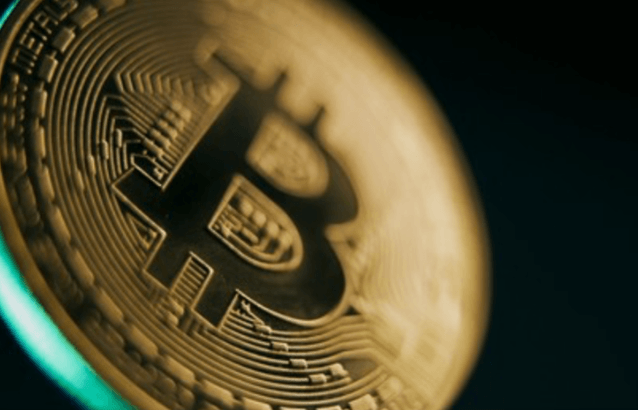
New to crypto? This guide explains what is Bitcoin and explains how it works. Learn about its price and market cap in 2026, plus how to start trading it.
Bitcoin has become one of the most discussed financial assets in the world, but many beginners still ask: what is bitcoin and why does it continue to attract attention from investors, traders, and institutions?
In simple terms, Bitcoin is a decentralised digital currency that allows people to transfer value online without relying on banks, governments, or other financial intermediaries. Unlike traditional currencies such as the US dollar or British pound, Bitcoin is not issued by a central bank. Instead, it operates through blockchain technology and a global network of computers that verify transactions.
Since its launch in 2009 by the anonymous creator known as Satoshi Nakamoto, Bitcoin has evolved from an experimental digital payment system into one of the world’s most recognised digital assets. Today, it is viewed by some investors as a potential store of value, while traders focus on its price movements and market opportunities.
What Is Bitcoin?
Bitcoin is a decentralised digital currency that enables peer-to-peer transactions without requiring a bank or payment provider to process them.
Unlike traditional money, Bitcoin does not have a physical form. Instead, ownership is recorded on a public blockchain, where every confirmed transaction is stored permanently.
One of Bitcoin’s most important features is its limited supply. Only 21 million BTC can ever exist, which creates scarcity and is one reason why some investors refer to Bitcoin as “digital gold”.
Although Bitcoin was originally designed for online payments, its role has expanded over time. It is now used as:
A digital payment method
A long-term investment asset
A trading instrument
An alternative store of value
Key Facts About Bitcoin
Category
Details
Launch year
2009
Creator
Satoshi Nakamoto
Symbol
BTC
Technology
Blockchain
Transaction system
Proof of Work
Maximum supply
21 million BTC
Main purpose
Digital currency and store of value
Why Was Bitcoin Created?
Bitcoin was introduced following the 2008 global financial crisis, a period when confidence in traditional financial institutions declined.
In 2008, Satoshi Nakamoto published the Bitcoin whitepaper, describing a system that allowed people to transfer digital money directly without depending on banks.
Before Bitcoin, creating a reliable digital currency was difficult because of the double spending problem. Since digital information can be copied, there was a risk that someone could duplicate a digital coin and spend it more than once.
Bitcoin solved this challenge by combining blockchain technology, cryptography, and a decentralised verification system. Instead of relying on a single authority, transactions are verified by a global network.
How Does Bitcoin Work?
Bitcoin operates through blockchain technology, which acts as a public record of all Bitcoin transactions.
The Bitcoin network is maintained by thousands of computers known as nodes. These computers help verify that transactions follow the rules of the network.
When a Bitcoin transaction takes place:
A user sends Bitcoin from their digital wallet.
The transaction is broadcast to the Bitcoin network.
Miners verify the transaction using computing power.
Approved transactions are grouped into blocks.
The block is added permanently to the blockchain.
Once confirmed, transactions cannot easily be changed. This helps create trust in a system that does not rely on a central organisation.
Bitcoin Mining and Limited Supply
Bitcoin mining is the process used to secure the network and confirm transactions.
Miners compete to solve complex mathematical problems through a system called proof of work. The successful miner adds a new block to the blockchain and receives Bitcoin rewards along with transaction fees.
However, the number of new Bitcoin entering circulation decreases over time. Approximately every four years, a Bitcoin halving event reduces mining rewards by half.
This controlled supply system is designed to maintain scarcity. The final Bitcoin is expected to be mined around 2140, after which miners will mainly rely on transaction fees for rewards.
The limited supply is one of the key reasons many investors compare Bitcoin with gold. Both assets have a limited supply and are viewed by some investors as alternatives to traditional currencies.
How Are Bitcoin Stored?
Bitcoin is stored through digital wallets, which allow users to manage their cryptocurrency holdings.
A wallet does not physically contain Bitcoin. Instead, it stores the private keys needed to access and authorise transactions.
Private keys act as proof of ownership. If someone loses their private key, they may permanently lose access to their Bitcoin because there is no central authority that can recover it.
Although Bitcoin has a maximum supply of 21 million coins, the actual available supply is lower because some Bitcoin has likely been lost due to forgotten passwords, damaged devices, or inaccessible wallets.
Why Does Bitcoin Have Value?
The value of Bitcoin comes from several factors, including scarcity, demand, adoption, and market confidence.
Limited Supply
Bitcoin’s fixed supply of 21 million coins separates it from traditional currencies, which can be increased through monetary policy.
Growing Adoption
Bitcoin has gained wider recognition among individuals, companies, and institutional investors. The development of regulated investment products, including spot Bitcoin ETFs in some markets, has made Bitcoin more accessible to traditional investors.
Market Demand
Like other financial assets, Bitcoin’s price is influenced by buyers and sellers. Increased demand can support higher prices, while weaker demand can create downward pressure.
Bitcoin Compared With Other Currencies
Bitcoin vs Traditional Currency
Bitcoin differs from traditional currencies in several important ways.
Bitcoin
Traditional Currency
Decentralised network
Controlled by central banks
Maximum supply of 21 million BTC
Supply can change through monetary policy
Transactions recorded on blockchain
Transactions managed through banking systems
Operates globally 24/7
Depends on financial institutions
Bitcoin’s decentralised structure is one of its biggest attractions, especially among users who prefer a financial system that does not rely on a single authority.
Bitcoin vs Other Cryptocurrencies
Bitcoin was the first cryptocurrency and remains the most recognised digital asset.
While other cryptocurrencies may focus on areas such as smart contracts, decentralised applications, or specific industries, Bitcoin is mainly known for its:
Decentralised structure
Limited supply
Network security
Store-of-value potential
Understanding the difference between Bitcoin and other cryptocurrencies helps investors evaluate the purpose and risks of each digital asset.
How Can You Buy or Trade Bitcoin?
There are two common ways people gain exposure to Bitcoin.
Buying Bitcoin Directly
Buying Bitcoin through a cryptocurrency exchange means owning the underlying asset. Investors are responsible for managing wallets, private keys, and security.
This approach is often preferred by long-term holders who want direct ownership.
Trading Bitcoin CFDs
Another option is trading Bitcoin through financial derivatives such as Contracts for Difference (CFDs).
Bitcoin CFDs allow traders to speculate on Bitcoin price movements without owning the cryptocurrency itself. Traders can potentially benefit from both rising and falling markets by opening long or short positions.
However, leverage can increase both potential gains and losses, so proper risk management is essential.
What Factors Affect Bitcoin Price?
Several factors can influence Bitcoin price movements:
Market Sentiment
News, investor confidence, and institutional interest can affect demand for Bitcoin.
Regulation
Changes in cryptocurrency regulations can influence market access and investor behaviour.
Interest Rates and Economic Conditions
Bitcoin can be affected by broader market conditions, including interest rates, inflation expectations, and global liquidity.
Bitcoin Halving Events
Reduced new supply after halving events can influence investor expectations and market cycles.
Risks of Bitcoin
Although Bitcoin has created opportunities for investors and traders, it also involves risks.
Price volatility: Bitcoin prices can experience significant movements within short periods.
Regulatory uncertainty: Cryptocurrency rules continue to develop and differ between countries.
Security risks: Users may face risks from scams, exchange issues, or losing access to private keys.
No traditional income: Unlike stocks or bonds, Bitcoin does not generate dividends or interest. Returns mainly depend on price appreciation.
Conclusion
Bitcoin has transformed how people think about digital money, ownership, and financial transactions. By combining blockchain technology with a decentralised network, Bitcoin created a new way to transfer value without relying on traditional financial institutions.
Understanding what is bitcoin is an important first step for anyone interested in cryptocurrency markets. While Bitcoin offers potential opportunities, it remains a highly volatile asset that requires careful research and risk management.
For traders looking to gain exposure to Bitcoin price movements, Ultima Markets provides access to cryptocurrency CFD trading opportunities, allowing traders to speculate on market changes without directly owning the underlying asset. As with all leveraged products, traders should carefully consider the risks before trading.
FAQs
Who created Bitcoin?
Bitcoin was created in 2009 by an anonymous person or group using the name Satoshi Nakamoto.
Is Bitcoin the same as blockchain?
No. Blockchain is the technology that records transactions, while Bitcoin is the first cryptocurrency built on blockchain.
Why is Bitcoin valuable?
Bitcoin’s value comes from limited supply, demand, adoption, and investor confidence.
How many Bitcoins exist?
Bitcoin has a maximum supply of 21 million coins.
Is Bitcoin a good investment?
Bitcoin may offer opportunities but also carries significant volatility and risks.
Is Bitcoin legal?
Bitcoin is legal in many countries, although regulations vary depending on location.
Share Now
Disclaimer:This content is provided for informational purposes only and does not constitute, and should not be construed as, financial, investment, or other professional advice. No statement or opinion contained herein should be considered a recommendation by Ultima Markets or the author regarding any specific investment product, strategy, or transaction. Readers are advised not to rely solely on this material when making investment decisions and should seek independent advice where appropriate.
Thank you for visiting the Ultima Markets website. Please note that this website is intended for individuals residing in jurisdictions where access is permitted by law. Ultima and its affiliated entities do not operate in your home jurisdiction.
By clicking ‘Acknowledge’, you confirm that you are entering this website solely on your own initiative and not as a result of any specific marketing outreach. You wish to obtain information from this website based on reverse solicitation principles, in accordance with the applicable laws of your home jurisdiction.