This website is managed by Ultima Markets’ international entities, and it’s important to emphasise that they are not subject to regulation by the FCA in the UK. Therefore, you must understand that you will not have the FCA’s protection when investing through this website – for example:
You will not be guaranteed Negative Balance Protection
You will not be protected by FCA’s leverage restrictions
You will not have the right to settle disputes via the Financial Ombudsman Service (FOS)
You will not be protected by Financial Services Compensation Scheme (FSCS)
Any monies deposited will not be afforded the protection required under the FCA Client Assets Sourcebook. The level of protection for your funds will be determined by the regulations of the relevant local regulator.
Note: UK clients are kindly invited to visit https://www.ultima-markets.co.uk/. Ultima Markets UK expects to begin onboarding UK clients in accordance with FCA regulatory requirements in 2026.
If you would like to proceed and visit this website, you acknowledge and confirm the following:
1.The website is owned by Ultima Markets’ international entities and not by Ultima Markets UK Ltd, which is regulated by the FCA.
2.Ultima Markets Limited, or any of the Ultima Markets international entities, are neither based in the UK nor licensed by the FCA.
3.You are accessing the website at your own initiative and have not been solicited by Ultima Markets Limited in any way.
4.Investing through this website does not grant you the protections provided by the FCA.
5.Should you choose to invest through this website or with any of the international Ultima Markets entities, you will be subject to the rules and regulations of the relevant international regulatory authorities, not the FCA.
Ultima Markets wants to make it clear that we are duly licensed and authorised to offer the services and financial derivative products listed on our website. Individuals accessing this website and registering a trading account do so entirely of their own volition and without prior solicitation.
By confirming your decision to proceed with entering the website, you hereby affirm that this decision was solely initiated by you, and no solicitation has been made by any Ultima Markets entity.
Discover what meme stocks are, see the meme stock list, and learn if the next meme stock could be a smart or risky investment.
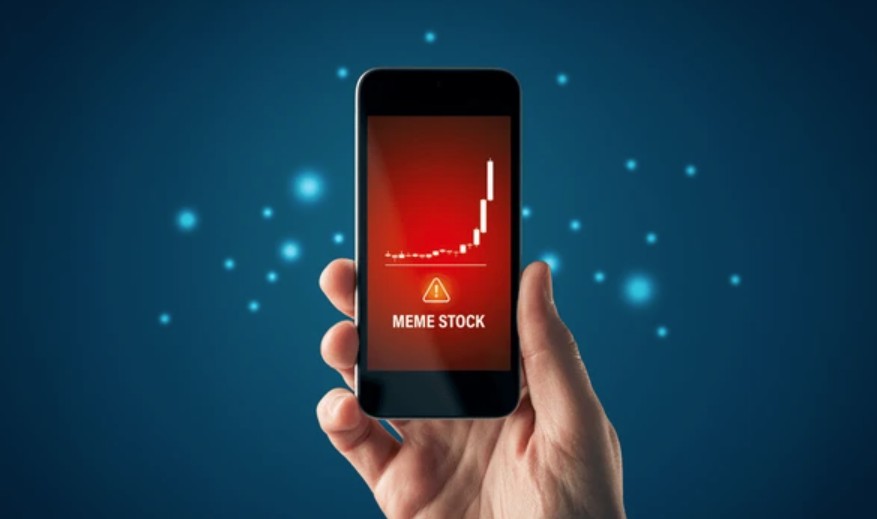
The term meme stock has become a buzzword in financial markets, especially since the GameStop frenzy of 2021. But what is a meme stock exactly, and why does it keep making headlines? Unlike traditional stocks that rise or fall based on earnings, growth, or fundamentals, meme stocks are fueled by internet culture, driven by viral posts, online communities, and social media momentum.
What Is a Meme Stock?
A meme stock is a publicly traded share whose price movements are driven more by online communities, viral hype, and social media than by company fundamentals. These stocks often surge rapidly when retail traders coordinate on forums like Reddit’s r/WallStreetBets, X (formerly Twitter), and YouTube.
Why Are They Called Meme Stocks?
The term “meme stock” comes from internet culture. Just like memes spread rapidly online, these stocks gain traction through humor, community identity, and viral momentum:
They’re often discussed in memes, GIFs, and viral posts, giving them cultural cachet.
The narrative matters more than fundamentals, making them relatable and shareable.
Once a stock becomes a meme, its price can be influenced as much by jokes and hashtags as by earnings reports.
GameStop: The First Meme Stock
GameStop (ticker: GME) is considered the first true meme stock because it was the company at the center of the 2021 retail trading revolution.
Here’s what happened:
Background: GameStop, a struggling video game retailer, had become one of the most heavily shorted stocks on Wall Street. Hedge funds were betting its business model would collapse as gaming moved online.
The Spark: In late 2020, retail traders on Reddit’s r/WallStreetBets noticed the unusually high short interest at times exceeding the company’s available shares. They began buying shares and call options, sharing memes and rallying others to join.
The Squeeze: In January 2021, a short squeeze unfolded. As GameStop’s stock price surged, hedge funds who shorted the stock were forced to buy shares to cover their losses, driving the price even higher.
The Peak: GameStop’s stock skyrocketed more than 1,700% in just a few weeks, reaching an intraday high of over $480 (from below $20 earlier that month).
The Legacy: This event marked the birth of the meme stock era, showing the power of online communities to move markets through collective action, humor, and viral momentum.
GameStop wasn’t the first volatile stock in history, but it was the first time social media-driven trading created a global financial phenomenon, turning GME into the symbol of meme stocks.
Meme Stock List
Classic Meme Stocks (2021 Era)
GameStop (GME) – The original meme stock and engine of the early 2021 short squeeze, widely recognized as the one that started it all.
AMC Entertainment (AMC) – Another front-and-center meme stock from 2021, frequently propelled by social media buzz.
Other early meme picks – BlackBerry, Nokia, Bed Bath & Beyond, Koss, National Beverage (often cited in media summaries).
Meme Stocks Resurfacing in 2025
Opendoor (OPEN) – Surged dramatically in mid-2025, gaining over 300% in just three months thanks to internet-driven speculation.
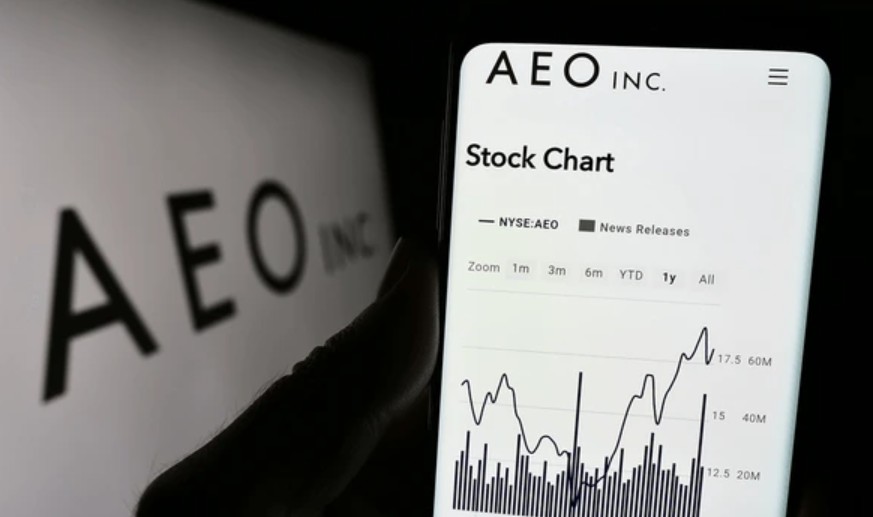
Krispy Kreme (DNUT), Kohl’s (KSS), GoPro (GPRO), American Eagle Outfitters (AEO) – Recently buzzed on social platforms and named as potential, emerging meme stock contenders.
Wendy’s – Among other recognizable brands experiencing meme-like rallies in 2025.
Paramount‑Skydance (PSKY) – Known as one of 2025’s flashiest meme stock moments, with a ~60% rally on high short interest and low float after being called out by Jim Cramer.
SoFi (SOFI), Palantir (PLTR), Netflix (NFLX) – Long-running meme stock fixtures, still active in meme sentiment and performance metrics.
Real-Time Trackers & Meme Rankings
For the most current picture, these platforms update meme popularity frequently:
QuiverQuant’s “Meme Stock Rankings” lists top meme stocks daily, including GME, AMC, Rivian (RIVN), SoundHound (SOUN), SoFi (SOFI), Enovix (ENVX), Rocket Lab (RKLB), and more.
FearGreedMeter’s top‑100 list pulls Reddit mentions (r/stocks, r/wallstreetbets) every five minutes to show today’s most talked-about tickers.
AltIndex highlights trending names like Google, Tesla, Palantir, GameStop, Intel, AMD, Rocket Lab, etc., based on live sentiment analysis.
Origins & Mechanics
Meme stocks emerged from the unique mix of market structure, online communities, and retail enthusiasm. While every stock rally is different, meme stocks usually share three defining traits:
Heavy Short Interest
Many meme stocks start as heavily shorted companies meaning hedge funds and institutional investors are betting the stock price will fall. When retail traders pile in, it can trigger a short squeeze, forcing short sellers to buy back shares at higher prices.
Example: In early 2021, GameStop’s short interest was over 100% of its float, one of the highest ever recorded. When the squeeze hit, shares rocketed from under $20 to nearly $483.
Online Retail Trader Coordination
Unlike past rallies, meme stocks are coordinated through social media. Platforms like Reddit’s r/WallStreetBets, X (Twitter), and Discord amplify excitement, memes, and trading tips in real time.
Example: AMC Entertainment gained momentum in mid-2021 after traders used hashtags like #AMCsqueeze, pushing the stock up more than 3,000% in a few months.
Extreme Volatility
Meme stocks are defined by wild price swings. A stock can double in a day, only to collapse just as quickly once the hype fades. This volatility is both the appeal and the danger.
Example: Opendoor Technologies (OPEN) surged 300% in three months in 2025 on meme-stock chatter yet analysts warned that its fundamentals hadn’t changed, meaning risk of a sharp pullback remains high.
In short, meme stocks are powered less by earnings reports and more by community-driven narratives, turning Wall Street into a stage where retail traders can challenge institutional players at least temporarily.
Potential Next Meme Stocks in 2025
Krispy Kreme (DNUT)
A household brand that resonates culturally (donuts = meme material).
Has seen chatter on Reddit about its relatively small float and potential for squeezes.
American Eagle Outfitters (AEO)
Well-known youth fashion brand, often tied to lifestyle memes.
Retail traders note its valuation and short interest could make it a squeeze candidate.
GoPro (GPRO)
Popular consumer tech brand, easy for retail investors to meme about.
Frequently discussed in past cycles as a “comeback” story, which fits meme stock patterns.
Rocket Lab (RKLB)
Space exploration always excites retail traders.
The “to the moon” meme is almost tailor-made for a stock like this.
Has notable retail following and high mention frequency on Reddit and tracking platforms.
Is a Meme Stock a Good Investment?
The honest answer usually not as a long-term investment. Meme stocks are highly speculative and trade more on hype than fundamentals. While they can deliver massive short-term gains, they can also collapse just as quickly once social media attention fades.
Why they’re risky:
Volatility: Meme stocks can swing 50–100% in a single session.
Hype-driven: Prices move on memes, not earnings reports or company health.
Timing risk: Early buyers sometimes profit, but latecomers often suffer steep losses.
When they might make sense:
For traders who understand the risks, meme stocks can be used as short-term trades, not long-term holdings.
Investors must be prepared to lose a significant portion or all of their position if momentum disappears.
Meme stocks are more like trading plays than investments. If you’re considering them, treat them as speculative bets, size positions carefully, and never risk more than you can afford to lose.
Conclusion
Meme stocks highlight how powerful online communities and viral narratives can be in shaping market moves. From GameStop’s historic short squeeze to 2025’s buzz around Opendoor, Paramount-Skydance, and Krispy Kreme, the story remains the same, prices can soar on hype but crash just as quickly once momentum fades.
For traders, the lesson is clear: while meme stocks can offer exciting short-term opportunities, they also carry extreme risk. That’s why it’s important to approach them with discipline, risk management, and a broader understanding of the market.
At Ultima Markets, we provide traders with education, tools, and regulated platforms to navigate both high-risk trends like meme stocks and long-term strategies. Whether you’re curious about the next meme stock or building a diversified portfolio, having the right knowledge and resources ensures you trade not just on hype but with purpose.
Share Now
Disclaimer:This content is provided for informational purposes only and does not constitute, and should not be construed as, financial, investment, or other professional advice. No statement or opinion contained herein should be considered a recommendation by Ultima Markets or the author regarding any specific investment product, strategy, or transaction. Readers are advised not to rely solely on this material when making investment decisions and should seek independent advice where appropriate.
Thank you for visiting the Ultima Markets website. Please note that this website is intended for individuals residing in jurisdictions where access is permitted by law. Ultima and its affiliated entities do not operate in your home jurisdiction.
By clicking ‘Acknowledge’, you confirm that you are entering this website solely on your own initiative and not as a result of any specific marketing outreach. You wish to obtain information from this website based on reverse solicitation principles, in accordance with the applicable laws of your home jurisdiction.