This website is managed by Ultima Markets’ international entities, and it’s important to emphasise that they are not subject to regulation by the FCA in the UK. Therefore, you must understand that you will not have the FCA’s protection when investing through this website – for example:
You will not be guaranteed Negative Balance Protection
You will not be protected by FCA’s leverage restrictions
You will not have the right to settle disputes via the Financial Ombudsman Service (FOS)
You will not be protected by Financial Services Compensation Scheme (FSCS)
Any monies deposited will not be afforded the protection required under the FCA Client Assets Sourcebook. The level of protection for your funds will be determined by the regulations of the relevant local regulator.
Note: UK clients are kindly invited to visit https://www.ultima-markets.co.uk/. Ultima Markets UK expects to begin onboarding UK clients in accordance with FCA regulatory requirements in 2026.
If you would like to proceed and visit this website, you acknowledge and confirm the following:
1.The website is owned by Ultima Markets’ international entities and not by Ultima Markets UK Ltd, which is regulated by the FCA.
2.Ultima Markets Limited, or any of the Ultima Markets international entities, are neither based in the UK nor licensed by the FCA.
3.You are accessing the website at your own initiative and have not been solicited by Ultima Markets Limited in any way.
4.Investing through this website does not grant you the protections provided by the FCA.
5.Should you choose to invest through this website or with any of the international Ultima Markets entities, you will be subject to the rules and regulations of the relevant international regulatory authorities, not the FCA.
Ultima Markets wants to make it clear that we are duly licensed and authorised to offer the services and financial derivative products listed on our website. Individuals accessing this website and registering a trading account do so entirely of their own volition and without prior solicitation.
By confirming your decision to proceed with entering the website, you hereby affirm that this decision was solely initiated by you, and no solicitation has been made by any Ultima Markets entity.
Discover the most traded commodities in the world, from oil and natural gas to gold, copper, wheat, and coffee. Learn what drives demand and volatility.
Most Traded Commodities in the World
Commodities power the global economy, from fueling transportation and generating electricity to feeding populations and supporting industry. For traders, understanding the most traded commodities in the world is essential. These markets offer the deepest liquidity, the largest futures volume, and the strongest reaction to macroeconomic changes.
In 2026, global demand trends, clean-energy transitions, geopolitical risks, and weather disruptions reshaped commodity trading. Below is an updated guide based on real 2025 market data.
What Makes a Commodity ‘Most Traded’?
There are a few ways to measure “most traded,” but for traders the most useful is exchange traded derivatives volume (futures and options). It is transparent, comparable, and closely linked to liquidity.
A commodity tends to become “most traded” when it has:
Consistent volatility (enough movement to attract speculators without becoming untradeable)
Benchmark status (a global reference price like Brent, WTI, or Henry Hub)
Mass hedging demand (producers, airlines, refiners, utilities, manufacturers)
Global supply chain relevance (energy, shipping, food security, industrial production)
Top Most Traded Commodities In the World
Below are most traded commodities in the world that consistently dominate global trading volumes, along with the contracts that act as their main liquidity hubs.
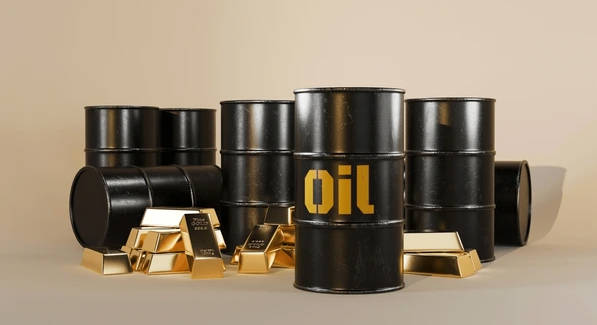
Crude Oil: The World’s Most Traded Commodity
Crude oil sits at the top of global trading volume every year. Futures tied to WTI and Brent are consistently the highest-volume commodity contracts in the world.
Why Oil Stays on Top
Powers global transportation
Key input for petrochemicals and manufacturing
Multiple global benchmarks (WTI, Brent)
Extremely deep and liquid futures markets
Oil prices fell sharply in 2025 and the debate going into 2026 is whether oversupply becomes the defining theme. Reuters highlights the “year of the glut” narrative, including an IEA forecast that supply could exceed demand in 2026 by about 3.85 million barrels per day, keeping traders highly focused on inventories and OPEC plus policy decisions.
Natural Gas: A Volatile, High-Demand Energy Market
Natural gas, especially LNG has become one of the most traded energy commodities. Europe and Asia increased LNG reliance after years of supply insecurity, boosting global flows.
Why Natural Gas Is Highly Traded
Power generation and heating
Seasonal swings
LNG export/import growth
Sensitive to weather and storage reports
A surge in LNG exports and unpredictable winter weather kept natural gas among the most volatile and actively traded energy markets in late 2025.
Gold: The Most Traded Precious Metal
Gold remains the ultimate safe-haven asset and one of the highest-volume commodities traded globally.
Why Gold Stands Out
Hedge against inflation and currency risk
Deep futures/ETF/spot liquidity
Stable long-term global demand
Gold trading activity tends to surge around major rate expectations and risk events, which is exactly the kind of backdrop traders are watching at the start of 2026.
Copper And Industrial Metals
If oil is the top macro commodity, copper is often the top “real economy” signal. It is heavily traded across multiple exchanges.
In the FIA’s 2024 global industrial metals rankings, large volume contracts included:
Copper Grade A futures (LME) 2024 volume: 37,441,648
Copper futures (COMEX HG) 2024 volume: 27,454,536
Aluminium futures (LME) 2024 volume: 67,076,437
Reuters polling suggests analysts expect copper to remain supported into 2026, citing mine disruptions and tightening balances, with a median forecast average around $10,500 per metric ton in 2026 and expectations for a deeper market deficit. strong expansion in 2025, increasing industrial demand for silver and boosting trading activity.
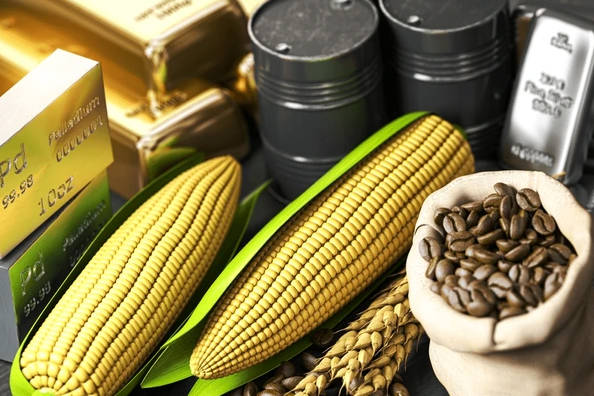
Agricultural commodities are among the most traded in the world because they combine large physical markets with constant supply uncertainty (weather, planting decisions, policy, logistics).
From FIA’s 2024 global agriculture tables:
Corn futures (CBOT) 2024 volume: 101,428,350
Soybean futures (CBOT) 2024 volume: 69,765,155
Chicago soft red winter wheat futures (CBOT) 2024 volume: 32,206,222
A key 2026 takeaway: “most traded” is increasingly global. China’s ag contracts also post extremely large volumes (for example soybean meal and corn futures on Dalian), which matters if your article is positioning a truly worldwide view.
Best Commodities To Invest In For 2026
There is no single answer to “best,” because the best commodities to invest in depend on your goal (hedge vs speculation), time horizon, and how you access the market (futures, ETFs, CFDs, commodity stocks). But for most traders, the best starting point is a blend of liquidity plus clear catalysts.
Here are practical “watchlist candidates” that often fit how people use the phrase best commodities to invest in:
Gold
Best for traders looking for a macro hedge or risk sentiment indicator. It is liquid, widely followed, and highly reactive to rates and risk headlines.
Crude Oil (Brent or WTI)
Best for traders who want headline driven volatility and strong technical liquidity. Oil also tends to respond sharply to supply decisions and inventory signals, which remain key themes going into 2026.
Natural Gas (Henry Hub or regional benchmarks)
Best for traders who understand seasonality and weather risk. Gas can be extremely volatile, so position sizing matters.
Copper
Best for traders who want exposure to electrification and industrial demand narratives. Copper is also heavily influenced by supply disruptions and inventory trends.
Corn And Soybeans
Best for traders who track agricultural cycles and weather. These contracts are among the most actively traded ag markets globally, with strong volume and established seasonal behaviour.
If you want to keep the article compliant and neutral, you can frame this section as “commonly watched commodities” rather than direct recommendations.
Why These Commodities Matter for Traders
The most traded commodities in the world share important traits:
Deep liquidity: easier to enter/exit positions
Volatility: opportunities for short-term strategies
These characteristics make the top commodities attractive for both beginners and experienced traders.
Conclusion
The list of the most traded commodities in the world reflects the structure of the global economy: energy at the centre, metals supporting industrial growth, and agriculture feeding the world.
In 2026, metals like copper and aluminium emerged alongside oil and gold as high-volume commodities due to supply deficits and clean-energy demand. Soft commodities remained volatile, and natural gas continued to react strongly to weather and LNG flows.
For traders, these markets provide deep liquidity and constant opportunities shaped by supply, demand, geopolitics, and global economic cycles.
Share Now
Disclaimer:This content is provided for informational purposes only and does not constitute, and should not be construed as, financial, investment, or other professional advice. No statement or opinion contained herein should be considered a recommendation by Ultima Markets or the author regarding any specific investment product, strategy, or transaction. Readers are advised not to rely solely on this material when making investment decisions and should seek independent advice where appropriate.
Thank you for visiting the Ultima Markets website. Please note that this website is intended for individuals residing in jurisdictions where access is permitted by law. Ultima and its affiliated entities do not operate in your home jurisdiction.
By clicking ‘Acknowledge’, you confirm that you are entering this website solely on your own initiative and not as a result of any specific marketing outreach. You wish to obtain information from this website based on reverse solicitation principles, in accordance with the applicable laws of your home jurisdiction.