This website is managed by Ultima Markets’ international entities, and it’s important to emphasise that they are not subject to regulation by the FCA in the UK. Therefore, you must understand that you will not have the FCA’s protection when investing through this website – for example:
You will not be guaranteed Negative Balance Protection
You will not be protected by FCA’s leverage restrictions
You will not have the right to settle disputes via the Financial Ombudsman Service (FOS)
You will not be protected by Financial Services Compensation Scheme (FSCS)
Any monies deposited will not be afforded the protection required under the FCA Client Assets Sourcebook. The level of protection for your funds will be determined by the regulations of the relevant local regulator.
Note: UK clients are kindly invited to visit https://www.ultima-markets.co.uk/. Ultima Markets UK expects to begin onboarding UK clients in accordance with FCA regulatory requirements in 2026.
If you would like to proceed and visit this website, you acknowledge and confirm the following:
1.The website is owned by Ultima Markets’ international entities and not by Ultima Markets UK Ltd, which is regulated by the FCA.
2.Ultima Markets Limited, or any of the Ultima Markets international entities, are neither based in the UK nor licensed by the FCA.
3.You are accessing the website at your own initiative and have not been solicited by Ultima Markets Limited in any way.
4.Investing through this website does not grant you the protections provided by the FCA.
5.Should you choose to invest through this website or with any of the international Ultima Markets entities, you will be subject to the rules and regulations of the relevant international regulatory authorities, not the FCA.
Ultima Markets wants to make it clear that we are duly licensed and authorised to offer the services and financial derivative products listed on our website. Individuals accessing this website and registering a trading account do so entirely of their own volition and without prior solicitation.
By confirming your decision to proceed with entering the website, you hereby affirm that this decision was solely initiated by you, and no solicitation has been made by any Ultima Markets entity.
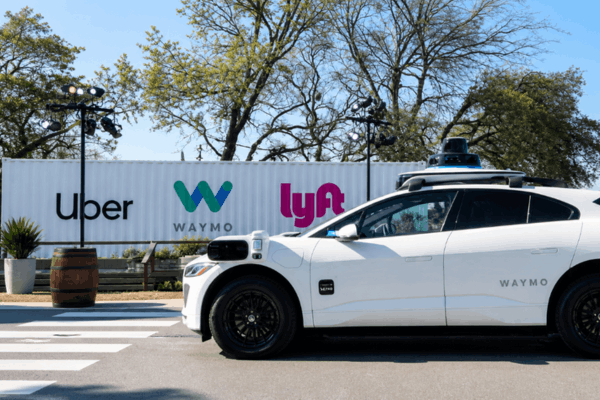
Explore Waymo's stock potential, its autonomous vehicles, and self-driving technology. Find out how much does a Waymo car cost compared to Uber and Lyft.
In the rapidly evolving landscape of autonomous vehicles, Waymo stands out as a leading force in revolutionising transportation. As a subsidiary of Alphabet Inc. (Google’s parent company), Waymo is pioneering the development of self-driving technology.
This article will explore Waymo’s stock potential, autonomous vehicles, and self-driving technology, providing clarity on how Waymo compares to traditional ridesharing services like Uber, while also addressing the costs of Waymo’s self-driving cars and how they might impact the market.
What is Waymo?
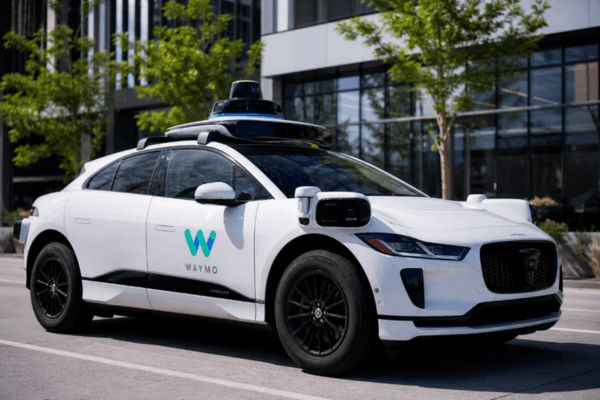
Waymo is a subsidiary of Alphabet Inc., the parent company of Google, and it has set its sights on transforming the future of transportation with self-driving cars. The company is at the forefront of autonomous vehicle technology, using artificial intelligence (AI), sensors, and machine learning to create vehicles that can operate without human drivers.
Waymo’s Journey
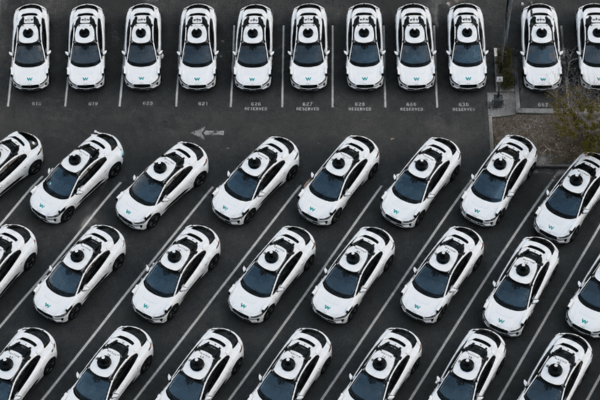
Launched in 2009 as part of Google’s self-driving car project, Waymo has since made significant strides in developing a fleet of autonomous vehicles. These vehicles are now deployed in several cities across the United States, offering commercial services, including robotaxi rides through the Waymo One app.
With its innovative approach, Waymo aims to make transportation safer, more efficient, and widely accessible, positioning itself as a leader in the autonomous driving space. The company has already accumulated over 14 million rides as of early 2025, with projections for continued growth.
How Much Does a Waymo Car Cost?
A common question among investors and consumers alike is “How much does a Waymo car cost?” While Waymo does not sell its cars directly to the public, it is important to understand the cost structure behind the technology that powers these vehicles.
Cost of a Waymo Self-Driving Car
The majority of Waymo’s self-driving cars are based on the Jaguar I-Pace, a luxury electric vehicle. The base price of a Jaguar I-Pace is around £60,000, but once it is outfitted with the necessary hardware and autonomous technology (such as sensors, LiDAR, and advanced computing systems), the total cost can increase to around £130,000-£150,000.
This is far more expensive than traditional vehicles, which is one reason why Waymo has not yet begun selling self-driving cars directly to consumers. Instead, the company deploys its fleet of autonomous vehicles in select cities for ridesharing services.
In the future, however, as the technology matures and economies of scale come into play, Waymo’s vehicles could become more affordable.
Is Waymo Cheaper Than Uber?
Another one of the most commonly asked questions is whether Waymo is cheaper than traditional ridesharing services like Uber and Lyft.
Comparing Prices: Waymo vs. Uber
The answer isn’t simple. Currently, Waymo’s autonomous rides tend to be priced similarly to Uber’s fares in some areas. However, Waymo faces a cost disadvantage because its self-driving vehicles involve expensive hardware and technology, which can lead to higher operational costs compared to Uber’s traditional ridesharing model.
Service
Price Range (approx.)
Waymo
~$20.43 (per ride)
Uber
~$15.58 (per ride)
Lyft
~$14.44 (per ride)
As shown in the table, Waymo is more expensive than Uber and Lyft in some locations. However, as Waymo scales and technology advances, the potential for cost reduction exists.
Long-Term Price Potential
The key to Waymo’s long-term cost reduction is its focus on eliminating human drivers. While Waymo’s current cost structure is higher due to the need for expensive technology, the savings from not having to pay drivers could lead to a more cost-effective model in the future.
Waymo and the Future of Autonomous Vehicles
With Waymo leading the charge in autonomous vehicles, many investors are keen to understand its stock potential. While Waymo stock itself is not publicly traded as a standalone entity, investors can gain exposure through Alphabet Inc. (GOOGL), the parent company of Waymo.
Investment Opportunity
As of 2025, Waymo has raised over $16 billion in funding and is valued at over $126 billion. The company is projected to continue growing, with forecasts suggesting it could eventually dominate the robotaxi and autonomous vehicle space.
Currently, Waymo’s self-driving technology is leading the industry in terms of rides per week, revenue growth, and public adoption.
For those interested in the broader robotaxi market, investing in Alphabet Inc. (GOOGL) provides indirect exposure to Waymo and its developments in self-driving technology.
However, it’s important to consider that, while Waymo stock shows promise, there are risks involved. The company still faces stiff competition from other autonomous vehicle companies like Tesla and Zoox, which could impact its market share and future growth.
Conclusion
As Waymo continues to lead the charge in autonomous vehicles, it’s clear that the company is well-positioned for long-term growth. Waymo stock could be an exciting opportunity for investors looking to gain exposure to the self-driving car industry.
Although Waymo’s self-driving cars are currently more expensive than Uber and Lyft rides, the company’s focus on eliminating the need for human drivers could make it a more cost-effective option in the future.
With the robotaxi market expected to continue expanding, investors and consumers alike should keep a close eye on Waymo and its evolving technology. For those interested in learning more about robotaxi stocks and their potential in the years to come, check out our in-depth analysis on Robotaxi stock.
FAQs
How much does a Waymo car cost?
The cost to build a Waymo self-driving car is estimated to range between $150,000 to $200,000 due to the advanced technology involved.
Is Waymo cheaper than Uber?
Currently, Waymo rides are often more expensive than Uber due to the technology required in the vehicles. However, Waymo may become more affordable as the technology scales and eliminates the need for human drivers.
What is Waymo’s stock price?
Waymo stock is not publicly available as a standalone entity, but investors can gain exposure through Alphabet Inc. (GOOGL), the parent company of Waymo.
Share Now
Disclaimer:This content is provided for informational purposes only and does not constitute, and should not be construed as, financial, investment, or other professional advice. No statement or opinion contained herein should be considered a recommendation by Ultima Markets or the author regarding any specific investment product, strategy, or transaction. Readers are advised not to rely solely on this material when making investment decisions and should seek independent advice where appropriate.
Thank you for visiting the Ultima Markets website. Please note that this website is intended for individuals residing in jurisdictions where access is permitted by law. Ultima and its affiliated entities do not operate in your home jurisdiction.
By clicking ‘Acknowledge’, you confirm that you are entering this website solely on your own initiative and not as a result of any specific marketing outreach. You wish to obtain information from this website based on reverse solicitation principles, in accordance with the applicable laws of your home jurisdiction.