This website is managed by Ultima Markets’ international entities, and it’s important to emphasise that they are not subject to regulation by the FCA in the UK. Therefore, you must understand that you will not have the FCA’s protection when investing through this website – for example:
You will not be guaranteed Negative Balance Protection
You will not be protected by FCA’s leverage restrictions
You will not have the right to settle disputes via the Financial Ombudsman Service (FOS)
You will not be protected by Financial Services Compensation Scheme (FSCS)
Any monies deposited will not be afforded the protection required under the FCA Client Assets Sourcebook. The level of protection for your funds will be determined by the regulations of the relevant local regulator.
Note: UK clients are kindly invited to visit https://www.ultima-markets.co.uk/. Ultima Markets UK expects to begin onboarding UK clients in accordance with FCA regulatory requirements in 2026.
If you would like to proceed and visit this website, you acknowledge and confirm the following:
1.The website is owned by Ultima Markets’ international entities and not by Ultima Markets UK Ltd, which is regulated by the FCA.
2.Ultima Markets Limited, or any of the Ultima Markets international entities, are neither based in the UK nor licensed by the FCA.
3.You are accessing the website at your own initiative and have not been solicited by Ultima Markets Limited in any way.
4.Investing through this website does not grant you the protections provided by the FCA.
5.Should you choose to invest through this website or with any of the international Ultima Markets entities, you will be subject to the rules and regulations of the relevant international regulatory authorities, not the FCA.
Ultima Markets wants to make it clear that we are duly licensed and authorised to offer the services and financial derivative products listed on our website. Individuals accessing this website and registering a trading account do so entirely of their own volition and without prior solicitation.
By confirming your decision to proceed with entering the website, you hereby affirm that this decision was solely initiated by you, and no solicitation has been made by any Ultima Markets entity.
Discover how to read the forex economic calendar and understand key market events like interest rate decisions, NFP, and CPI.
The forex economic calendar is an essential tool for every forex trader. It helps you stay updated with key market-moving events, which can significantly affect the volatility and direction of currency prices. In this guide, we’ll explore how to effectively read and use the forex economic calendar to make informed trading decisions.
What is a Forex Economic Calendar?
A forex economic calendar is a detailed schedule of upcoming economic events and data releases that can impact the forex market. These events include reports on GDP, inflation, employment data, and central bank announcements, all of which can influence currency prices.
Key Elements of the Forex Economic Calendar
When reading a forex economic calendar, there are several key elements you should focus on to help you gauge potential market movements:
Event Name: The event name provides a brief description of the economic report or central bank meeting. Key events to watch include Interest Rate Decisions and Non-Farm Payrolls (NFP).
Date and Time: Events are listed with their scheduled release date and time. Pay attention to the time zone of the event, which can vary depending on the country of origin. Ensure your local time zone is synchronized.
Currency Impacted: Economic events can influence multiple currencies. A GDP report from the U.S. will typically affect the USD, while inflation data from the Eurozone will affect the EUR.
Market Expectations: Most economic calendars provide consensus forecasts or market expectations. Comparing the actual results with the expectations will help you anticipate market reactions.
Actual Results: This is the actual economic data released during the event. It’s important to compare this with expectations to determine the strength or weakness of the currency involved.
Understanding the Impact of Economic Events
Different events have varying levels of impact on the forex market. Understanding their significance can help you better predict potential market moves.
High-Impact Events: High-impact events, such as Interest Rate Announcements and Non-Farm Payrolls (NFP), can cause large price movements in the forex market. These events are marked in red on most economic calendars.
Medium-Impact Events: Medium-impact events, like Retail Sales and Consumer Price Index (CPI), can lead to moderate volatility. They are typically marked in orange.
Low-Impact Events: Low-impact events, such as Building Permits or Consumer Confidence Indices, usually cause only minor price movements and are marked in yellow.
How to Use the Forex Economic Calendar in Your Trading Strategy
Integrating the economic calendar into your trading strategy can enhance your decision-making process. Here’s how:
Plan Ahead: Always review the economic calendar ahead of time to prepare for significant events. By knowing when key data releases are scheduled, you can adjust your positions accordingly.
Consider Volatility: Before entering a trade around a major event, assess the potential volatility. Major data releases can cause sharp price movements, so ensure your risk management strategy accounts for this.
Set Alerts: Most economic calendars allow you to set alerts for upcoming events. This will ensure you don’t miss important market-moving events.
How to Interpret Forex Economic Calendar Data
Understanding the implications of economic data is crucial to effective trading.
Interest Rate Decisions: Central bank interest rate decisions can have a profound effect on a currency’s value. A rate hike is typically seen as bullish, while a rate cut is bearish.
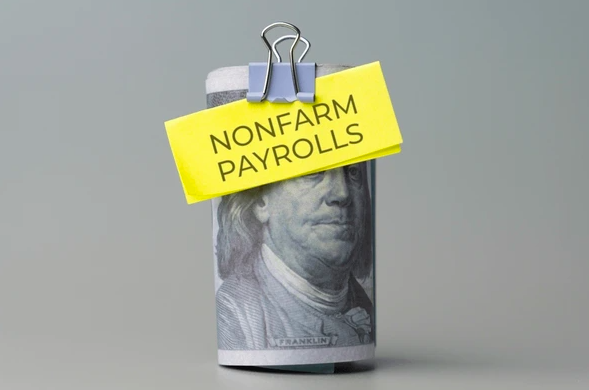
Non-Farm Payrolls (NFP): The NFP report is one of the most anticipated economic events. Strong job creation often indicates economic strength and can push the currency higher, while weak job reports can lead to a decline.
Inflation Data (CPI): Consumer Price Index (CPI) reports indicate inflation trends. Rising inflation can lead to higher interest rates, benefiting the currency, while low inflation may signal economic weakness.
Tips for Trading Around Economic Events
Trading around economic events requires caution, but when approached with a strategy, it can be highly profitable.
Be Prepared for Volatility Economic events can bring heightened volatility. Set stop-loss orders to protect your trades from unexpected market swings.
Trade with the Trend After major data releases, follow the market’s reaction. If a high-impact event causes a clear trend, consider trading in the direction of that trend.
Avoid Over-Trading While economic events can create opportunities, avoid trading during every event. Focus on key reports that align with your trading strategy.
Conclusion
The forex economic calendar is an indispensable tool for traders looking to stay ahead of market-moving events. By understanding how to read and interpret this calendar, you can make more informed decisions and take advantage of profitable trading opportunities.
At Ultima Markets, we provide a comprehensive and user-friendly economic calendar that keeps you up to date with key events and data releases across global markets. Stay informed and enhance your trading strategy with the Ultima Markets Economic Calendar, designed to give you real-time insights and help you navigate the ever-changing forex landscape with confidence.
FAQs
What is the economic calendar in forex?
The economic calendar in forex is a tool that lists upcoming economic events, reports, and indicators that can impact currency markets. These events include interest rate decisions, GDP reports, inflation data, and employment figures.
How to read the forex calendar?
To read the forex calendar, focus on the date, time, and impact of each event. Look for high-impact events marked as red or high risk, as these have the potential to cause significant market movements.
Can the economic calendar predict forex?
The economic calendar cannot directly predict forex movements, but it helps traders anticipate market volatility by providing information on upcoming events that may influence currency prices.
Share Now
Disclaimer:This content is provided for informational purposes only and does not constitute, and should not be construed as, financial, investment, or other professional advice. No statement or opinion contained herein should be considered a recommendation by Ultima Markets or the author regarding any specific investment product, strategy, or transaction. Readers are advised not to rely solely on this material when making investment decisions and should seek independent advice where appropriate.
Thank you for visiting the Ultima Markets website. Please note that this website is intended for individuals residing in jurisdictions where access is permitted by law. Ultima and its affiliated entities do not operate in your home jurisdiction.
By clicking ‘Acknowledge’, you confirm that you are entering this website solely on your own initiative and not as a result of any specific marketing outreach. You wish to obtain information from this website based on reverse solicitation principles, in accordance with the applicable laws of your home jurisdiction.