This website is managed by Ultima Markets’ international entities, and it’s important to emphasise that they are not subject to regulation by the FCA in the UK. Therefore, you must understand that you will not have the FCA’s protection when investing through this website – for example:
You will not be guaranteed Negative Balance Protection
You will not be protected by FCA’s leverage restrictions
You will not have the right to settle disputes via the Financial Ombudsman Service (FOS)
You will not be protected by Financial Services Compensation Scheme (FSCS)
Any monies deposited will not be afforded the protection required under the FCA Client Assets Sourcebook. The level of protection for your funds will be determined by the regulations of the relevant local regulator.
Note: UK clients are kindly invited to visit https://www.ultima-markets.co.uk/. Ultima Markets UK expects to begin onboarding UK clients in accordance with FCA regulatory requirements in 2026.
If you would like to proceed and visit this website, you acknowledge and confirm the following:
1.The website is owned by Ultima Markets’ international entities and not by Ultima Markets UK Ltd, which is regulated by the FCA.
2.Ultima Markets Limited, or any of the Ultima Markets international entities, are neither based in the UK nor licensed by the FCA.
3.You are accessing the website at your own initiative and have not been solicited by Ultima Markets Limited in any way.
4.Investing through this website does not grant you the protections provided by the FCA.
5.Should you choose to invest through this website or with any of the international Ultima Markets entities, you will be subject to the rules and regulations of the relevant international regulatory authorities, not the FCA.
Ultima Markets wants to make it clear that we are duly licensed and authorised to offer the services and financial derivative products listed on our website. Individuals accessing this website and registering a trading account do so entirely of their own volition and without prior solicitation.
By confirming your decision to proceed with entering the website, you hereby affirm that this decision was solely initiated by you, and no solicitation has been made by any Ultima Markets entity.
Discover the Poland currency and learn about the Polish zloty (PLN), including its history, value, exchange rates, and why Poland does not use the euro.
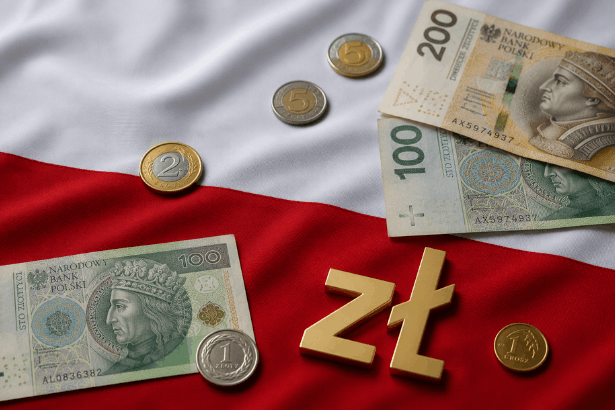
The official Poland currency is the Polish zloty (PLN), which is used for everyday payments, business transactions, and financial activities across the country. Represented by the symbol zł, the Polish zloty is one of the most important currencies in Central and Eastern Europe.
Although Poland is a member of the European Union, the country does not currently use the euro. Instead, Poland continues to maintain its own currency, allowing the government and central bank to control monetary policy based on domestic economic conditions.
Understanding Poland currency is important for travellers, investors, and traders who want to learn more about Poland’s economy, exchange rates, and position in global financial markets.
In this article, Ultima Markets explores what the Polish zloty is, its history, factors influencing its value, and how it compares with other major currencies.
What Currency Does Poland Use?
The currency used in Poland is the Polish zloty, with the international currency code PLN.
The word “zloty” means “golden” in Polish, reflecting its historical connection with gold coins. The currency is divided into smaller units called grosz:
1 Polish zloty = 100 grosz
The National Bank of Poland (Narodowy Bank Polski, NBP) is responsible for issuing the currency and managing monetary policy. Its main objective is maintaining price stability and supporting a stable financial system.
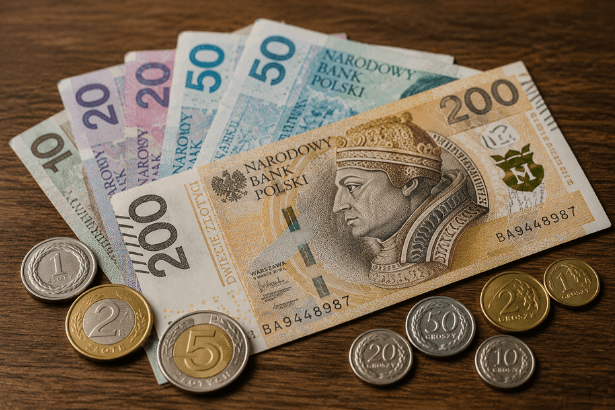
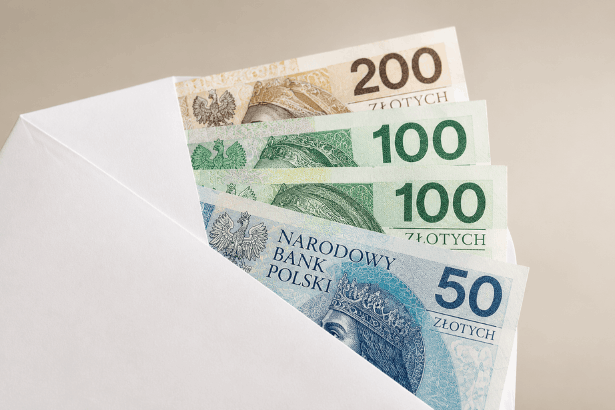
Polish banknotes are available in denominations of 10, 20, 50, 100, 200, and 500 zloty, while coins range from 1 grosz to 5 zloty.
History of Poland Currency
The history of Poland currency dates back several centuries, but the modern Polish zloty was introduced during Poland’s economic transformation in the 1990s.
After the end of communist rule, Poland began moving towards a market economy. However, high inflation weakened the purchasing power of the old currency. To improve economic stability, Poland introduced a major currency reform in 1995.
The reform replaced the old zloty at the following rate:
10,000 old zloty = 1 new zloty
This change helped strengthen confidence in the financial system and supported Poland’s economic growth.
Since then, the Polish zloty has become a relatively stable currency, supported by Poland’s expanding economy, strong manufacturing sector, and increasing role in European trade.
Why Does Poland Not Use the Euro?
Despite being part of the European Union, Poland has not adopted the euro and continues using its own Poland currency.
EU membership does not require countries to immediately adopt the euro. Countries must first meet specific economic conditions, including inflation stability, government debt levels, and exchange rate requirements.
Maintaining the zloty provides Poland with several advantages:
Control over domestic interest rates
Ability to adjust monetary policy independently
Greater flexibility during economic changes
Supporters of keeping the Polish zloty argue that an independent currency allows Poland to respond more effectively to economic challenges. However, some businesses support euro adoption because it could reduce exchange rate risks when trading with other European countries.
Factors That Affect the Value of Poland Currency
Like other global currencies, Poland currency value changes based on economic conditions, central bank decisions, and investor sentiment.
Interest Rates
Interest rates set by the National Bank of Poland are one of the biggest influences on PLN exchange rates.
Higher interest rates can attract foreign investment as investors seek higher returns, potentially increasing demand for the zloty. Lower interest rates may reduce demand as investors look for better opportunities elsewhere.
Inflation
Inflation affects the purchasing power and confidence of a currency. If inflation rises significantly, investors may become concerned about economic stability, which can put pressure on the Polish zloty.
The National Bank of Poland monitors inflation closely when deciding monetary policy.
Economic Growth
Poland’s economic performance also plays an important role in determining currency strength.
A growing economy, strong exports, and a competitive manufacturing sector can support investor confidence. Poland’s position as one of Central Europe’s largest economies has helped strengthen demand for its currency.
Global Market Conditions
The Polish zloty can also be affected by global events, including changes in US interest rates, geopolitical developments, and investor risk appetite.
During periods of uncertainty, investors often prefer traditionally safer currencies such as the US dollar, which can create volatility for emerging market currencies like PLN.
Poland Currency vs Euro: What Is the Difference?
Although Poland is an EU member, the Polish zloty and euro operate under different monetary systems.
Feature
Polish Zloty (PLN)
Euro (EUR)
Used By
Poland
Eurozone countries
Symbol
zł
€
Central Bank
National Bank of Poland
European Central Bank
Monetary Control
Poland manages its own policy
Shared eurozone policy
The exchange rate between PLN and EUR remains important because the European Union is Poland’s largest trading partner.
Is Poland’s Currency Strong?
The Polish zloty is considered one of the more stable currencies in Central and Eastern Europe. Poland’s economic growth, skilled workforce, and strong export sector have supported long-term confidence in the currency.
However, like all currencies, the value of PLN can rise or fall depending on:
Interest rate changes
Inflation trends
Economic growth
Political developments
Global market sentiment
Currency strength is not only measured by exchange rates but also by economic stability and purchasing power.
How Is the Poland Currency Traded?
The Polish zloty is available in the foreign exchange market through several currency pairs, including:
EUR/PLN
USD/PLN
GBP/PLN
CHF/PLN
Traders often monitor these pairs to understand economic differences between Poland and major global economies.
Economic reports, central bank announcements, and geopolitical developments can create movements in PLN exchange rates, making the currency an important market indicator for traders following European economies.
Conclusion
The Poland currency is the Polish zloty (PLN), a currency that represents Poland’s economic independence and financial development.
While Poland remains part of the European Union, it continues to use the zloty to maintain control over monetary policy and respond to changing economic conditions. Factors such as interest rates, inflation, economic growth, and global market sentiment all influence its value.
For travellers, businesses, and traders, understanding the Polish zloty provides valuable insight into Poland’s economy and the wider European currency market.
FAQs
What is the currency of Poland?
The currency of Poland is the Polish zloty (PLN), represented by the symbol zł.
Does Poland use the euro?
No. Poland is an EU member but currently uses the Polish zloty instead of the euro.
Is the Polish zloty traded internationally?
Yes. The Polish zloty is traded on the forex market through pairs such as EUR/PLN and USD/PLN.
Share Now
Disclaimer:This content is provided for informational purposes only and does not constitute, and should not be construed as, financial, investment, or other professional advice. No statement or opinion contained herein should be considered a recommendation by Ultima Markets or the author regarding any specific investment product, strategy, or transaction. Readers are advised not to rely solely on this material when making investment decisions and should seek independent advice where appropriate.
Thank you for visiting the Ultima Markets website. Please note that this website is intended for individuals residing in jurisdictions where access is permitted by law. Ultima and its affiliated entities do not operate in your home jurisdiction.
By clicking ‘Acknowledge’, you confirm that you are entering this website solely on your own initiative and not as a result of any specific marketing outreach. You wish to obtain information from this website based on reverse solicitation principles, in accordance with the applicable laws of your home jurisdiction.