This website is managed by Ultima Markets’ international entities, and it’s important to emphasise that they are not subject to regulation by the FCA in the UK. Therefore, you must understand that you will not have the FCA’s protection when investing through this website – for example:
You will not be guaranteed Negative Balance Protection
You will not be protected by FCA’s leverage restrictions
You will not have the right to settle disputes via the Financial Ombudsman Service (FOS)
You will not be protected by Financial Services Compensation Scheme (FSCS)
Any monies deposited will not be afforded the protection required under the FCA Client Assets Sourcebook. The level of protection for your funds will be determined by the regulations of the relevant local regulator.
Note: UK clients are kindly invited to visit https://www.ultima-markets.co.uk/. Ultima Markets UK expects to begin onboarding UK clients in accordance with FCA regulatory requirements in 2026.
If you would like to proceed and visit this website, you acknowledge and confirm the following:
1.The website is owned by Ultima Markets’ international entities and not by Ultima Markets UK Ltd, which is regulated by the FCA.
2.Ultima Markets Limited, or any of the Ultima Markets international entities, are neither based in the UK nor licensed by the FCA.
3.You are accessing the website at your own initiative and have not been solicited by Ultima Markets Limited in any way.
4.Investing through this website does not grant you the protections provided by the FCA.
5.Should you choose to invest through this website or with any of the international Ultima Markets entities, you will be subject to the rules and regulations of the relevant international regulatory authorities, not the FCA.
Ultima Markets wants to make it clear that we are duly licensed and authorised to offer the services and financial derivative products listed on our website. Individuals accessing this website and registering a trading account do so entirely of their own volition and without prior solicitation.
By confirming your decision to proceed with entering the website, you hereby affirm that this decision was solely initiated by you, and no solicitation has been made by any Ultima Markets entity.
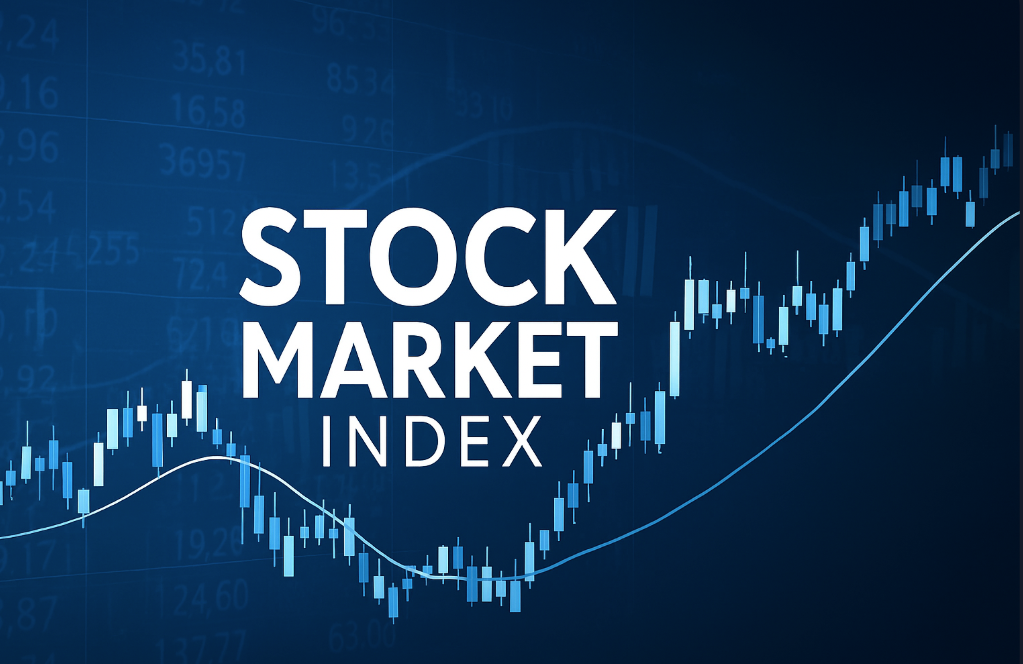
Learn what a stock market index is, types (e.g., S&P 500, NASDAQ), how to invest in them. Understand their role in market analysis & portfolio management.
A stock market index is an essential tool for tracking the performance of a group of stocks, offering valuable insights into the overall performance of a market or sector. Investors use indices to monitor market trends, compare their portfolio performance, and guide investment decisions. In this guide, we will break down the concept of a stock market index, explore the different types, and explain how you can use them to make smarter investment choices.
What is a Stock Market Index?
A stock market index is a statistical measure that tracks the performance of a specific group of stocks, representing a broader market or a particular sector. It serves as a benchmark for investors to evaluate the performance of their investments relative to the market.
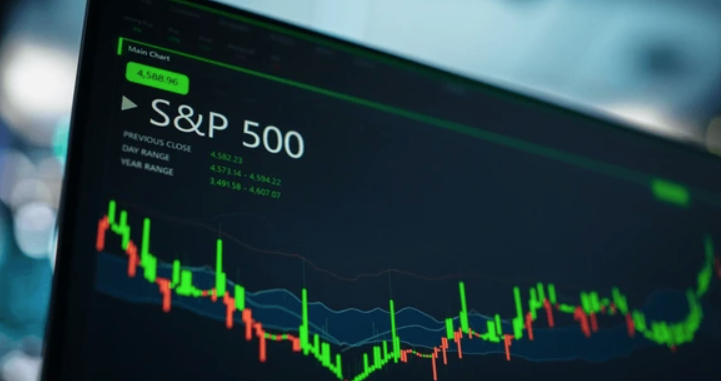
The stock market index provides a snapshot of market movements, helping investors understand trends, gauge market sentiment, and make informed investment decisions. For instance, indices like the S&P 500, NASDAQ Composite, and Dow Jones Industrial Average (DJIA) are commonly used to gauge the performance of the U.S. market.
Types of Stock Market Indices
Stock market indices can be categorized in various ways, based on factors such as market capitalization, geographic region, and sector. Here’s a closer look at the main types:
Broad Market Indices
These indices represent a large segment of the stock market, offering a comprehensive view of the overall market performance. Examples include:
S&P 500: Tracks 500 large-cap U.S. companies and is often considered the benchmark for the U.S. stock market.
NASDAQ Composite: Includes more than 3,000 stocks, predominantly technology-focused companies.
FTSE 100: Reflects the top 100 companies listed on the London Stock Exchange.
Sector-Specific Indices
Sector indices focus on specific industries or sectors, providing insights into the performance of companies within those areas. Some key examples include:
NASDAQ-100: Focuses on 100 non-financial companies on the NASDAQ, with heavy representation in technology and innovation.
Energy Select Sector SPDR Fund (XLE): Tracks the performance of U.S. energy companies, particularly in oil, gas, and renewable energy.
Global and Regional Indices
Global and regional indices provide a broader view of international markets:
MSCI World Index: Covers 23 developed countries globally.
Nikkei 225: Tracks 225 of the most prominent companies listed on the Tokyo Stock Exchange.
Custom Indices
Custom indices are designed to meet specific investment strategies or target groups of companies. These indices often cater to institutional investors and track unique segments or strategies not covered by broader indices.
How Stock Market Indices Work
Stock market indices are typically weighted by market capitalization, price, or equal distribution, determining the impact each stock has on the index’s performance. Here’s how different weighting methods work:
Market Capitalization-Weighted Indices
In market capitalization-weighted indices, the weight of each stock is proportional to its market value. Larger companies with a higher market cap have more influence on the overall index performance. The S&P 500 and NASDAQ Composite are examples of such indices.
Price-Weighted Indices
Price-weighted indices assign more weight to stocks with higher prices. The Dow Jones Industrial Average (DJIA) is an example of a price-weighted index, meaning stocks with a higher share price have a greater impact on the index movement.
Equal-Weighted Indices
In an equal-weighted index, each stock has the same weight, regardless of its market size. This method is used to ensure that no single stock dominates the index’s performance, offering a more balanced view of market movements.
Why Are Stock Market Indices Important?
Stock market indices are crucial for both passive and active investors. Here’s why they matter:
Performance Benchmarking
Indices act as a benchmark for investors to compare the performance of their portfolios. For instance, if a portfolio is underperforming the S&P 500, it indicates that adjustments may be necessary.
Market Sentiment
Indices reflect the overall mood of the market. Rising indices often indicate investor optimism and economic growth, while falling indices may signal economic concerns or pessimism.
Diversification
Indices can help investors diversify their portfolios. By investing in an index that tracks a specific sector or market, investors gain exposure to a broad range of companies without needing to buy individual stocks.
Investment Vehicles
Many financial products, such as Exchange-Traded Funds (ETFs) and index mutual funds, are designed to track the performance of a specific index. These investment vehicles allow individuals to gain exposure to an index without having to buy every stock within it.
How to Invest in Stock Market Indices
Investing in stock market indices is straightforward, and there are several ways to do so:
ETFs
Exchange-Traded Funds (ETFs) are one of the most common ways to invest in stock market indices. ETFs like the SPDR S&P 500 ETF are designed to track the performance of indices, providing diversification without needing to purchase individual stocks.
Index Mutual Funds
Mutual funds that track indices, such as the Vanguard Total Stock Market Index Fund, are another popular way to invest in stock market indices. These funds offer diversification and are managed by professionals to replicate the performance of a specific index.
Futures and Options
For more experienced investors, futures and options are derivative products that can be used to speculate on the future price movement of an index.
Latest Trends in Stock Market Indices
Sustainability and ESG Indices
There has been growing interest in indices that track companies with strong Environmental, Social, and Governance (ESG) practices. The S&P 500 ESG Index is one example of an ESG-focused index, and its popularity is increasing as more investors prioritize sustainable investing.
Technology-Driven Indices
With the rapid rise of technology, many indices now focus on tracking tech-driven companies. The NASDAQ-100 and ARK Innovation ETF are examples of indices that emphasize the performance of high-growth, tech-focused firms.
Emerging Market Indices
Emerging markets are becoming more influential, and indices tracking these regions, like the MSCI Emerging Markets Index, are gaining prominence as investors look for growth opportunities outside traditional developed economies.
Conclusion
In the world of stock trading, understanding stock market indices is essential for both seasoned traders and beginners alike. Indices such as the S&P 500, NASDAQ Composite, and Dow Jones not only help investors gauge the overall market performance but also offer valuable insights into specific sectors or regions. Whether you’re looking to track market trends, benchmark your portfolio, or make informed trading decisions, stock market indices serve as indispensable tools in your trading strategy.
For traders, indices can act as a reliable performance benchmark, allowing you to measure your returns against broader market movements. They also provide a useful guide to market sentiment, helping you identify potential buying or selling opportunities based on the overall market direction.
Incorporating indices into your stock trading strategy can lead to a more diversified portfolio, lower risk, and more informed decisions. By tracking the performance of indices, whether through ETFs, index funds, or futures contracts, you can gain exposure to a wide range of companies, sectors, or global markets.
Ultimately, stock market indices are not just numbers, they represent the pulse of the market, offering critical data and trends to help you succeed in stock trading. Whether you’re focusing on sustainable investing, seeking technology-driven growth, or looking to capitalize on emerging markets, understanding how to leverage indices in your trading strategy can enhance your investment approach and increase your chances of success in the dynamic world of stock trading.
Share Now
Disclaimer:This content is provided for informational purposes only and does not constitute, and should not be construed as, financial, investment, or other professional advice. No statement or opinion contained herein should be considered a recommendation by Ultima Markets or the author regarding any specific investment product, strategy, or transaction. Readers are advised not to rely solely on this material when making investment decisions and should seek independent advice where appropriate.
Thank you for visiting the Ultima Markets website. Please note that this website is intended for individuals residing in jurisdictions where access is permitted by law. Ultima and its affiliated entities do not operate in your home jurisdiction.
By clicking ‘Acknowledge’, you confirm that you are entering this website solely on your own initiative and not as a result of any specific marketing outreach. You wish to obtain information from this website based on reverse solicitation principles, in accordance with the applicable laws of your home jurisdiction.