
Ultima Markets App
Trade Anytime, Anywhere





Important Information
This website is managed by Ultima Markets’ international entities, and it’s important to emphasise that they are not subject to regulation by the FCA in the UK. Therefore, you must understand that you will not have the FCA’s protection when investing through this website – for example:
- You will not be guaranteed Negative Balance Protection
- You will not be protected by FCA’s leverage restrictions
- You will not have the right to settle disputes via the Financial Ombudsman Service (FOS)
- You will not be protected by Financial Services Compensation Scheme (FSCS)
- Any monies deposited will not be afforded the protection required under the FCA Client Assets Sourcebook. The level of protection for your funds will be determined by the regulations of the relevant local regulator.
Note: Ultima Markets is currently developing a dedicated website for UK clients and expects to onboard UK clients under FCA regulations in 2026.
If you would like to proceed and visit this website, you acknowledge and confirm the following:
- 1.The website is owned by Ultima Markets’ international entities and not by Ultima Markets UK Ltd, which is regulated by the FCA.
- 2.Ultima Markets Limited, or any of the Ultima Markets international entities, are neither based in the UK nor licensed by the FCA.
- 3.You are accessing the website at your own initiative and have not been solicited by Ultima Markets Limited in any way.
- 4.Investing through this website does not grant you the protections provided by the FCA.
- 5.Should you choose to invest through this website or with any of the international Ultima Markets entities, you will be subject to the rules and regulations of the relevant international regulatory authorities, not the FCA.
Ultima Markets wants to make it clear that we are duly licensed and authorised to offer the services and financial derivative products listed on our website. Individuals accessing this website and registering a trading account do so entirely of their own volition and without prior solicitation.
By confirming your decision to proceed with entering the website, you hereby affirm that this decision was solely initiated by you, and no solicitation has been made by any Ultima Markets entity.
I confirm my intention to proceed and enter this website Please direct me to the website operated by Ultima Markets , regulated by the FCA in the United Kingdom

What Does Paper Hands Mean in Trading
In the world of trading and investing, terms like “paper hands” often circulate, especially in online forums and social media. But what does this phrase really mean, and how does it influence the behavior of traders and the markets?
In this article, we’ll break down the concept of paper hands, its psychological impact, and how you can avoid falling into this trap.
What Are Paper Hands?
The term paper hands refers to traders or investors who sell off their positions at the first sign of market volatility or price drops, usually out of fear.

Think of it as a trader who lacks the confidence to hold through the ups and downs, letting emotions drive their decisions. Resembling paper, it is something delicate and easily torn under pressure.
This behavior is commonly seen in markets prone to quick shifts, like cryptocurrency or stocks with high volatility. The expression carries a negative connotation, often implying weakness or a lack of resilience in the face of market uncertainty.
The Rise of Paper Hands in Online Trading Culture
The phrase paper hands has gained popularity, especially among retail traders in online communities like Reddit. During the 2021 meme stock movement, terms like paper hands and diamond hands (the opposite of paper hands, referring to holding positions firmly despite market volatility) became part of traders’ vernacular.
\While diamond hands became a symbol of dedication, paper hands was often used humorously or critically to describe those who exited trades too early.
Why Do Traders Have Paper Hands?
Several factors contribute to paper hands behavior:
- Fear of Loss: Traders sell quickly to avoid realising losses, driven by emotional fear rather than rational decision-making.
- Lack of Confidence or Experience: Inexperienced traders may lack the conviction to hold through market fluctuations, often selling when they don’t understand the broader market context.
- Short-Term Focus: Traders focused on quick gains may sell during volatility, prioritising immediate profits over long-term potential.
- FOMO (Fear of Missing Out): Traders may rush to sell during price dips, fearing they’ll miss out on potential rallies, even if it’s not the right time.

Paper Hands vs. Diamond Hands
It’s essential to understand the contrast between paper hands and its counterpart, diamond hands. Traders with diamond hands are known for holding onto their assets through thick and thin, even when prices drop. This shows a strong belief in the asset’s long-term potential and a higher risk tolerance.
Here’s how they compare:
| Paper Hands | Diamond Hands |
| Sells positions quickly under fear or volatility | Holds positions despite market swings |
| Focuses on short-term gains and risk avoidance | Focuses on long-term conviction and growth |
| Influenced by emotions like panic or fear | Driven by research, strategy, and patience |
| May miss out on long-term growth | Can weather market downturns for future rewards |
While diamond hands are often celebrated in online communities, both behaviors can be valid depending on a trader’s goals and strategy.
The Psychology Behind Paper Hands
The tendency to develop paper hands often stems from psychological factors observed in behavioral finance. Key psychological triggers include:
- Loss Aversion: Investors are more sensitive to losses than to gains. This makes them more likely to exit a position early to avoid realising a loss, even if they miss out on potential future profits.
- Fear, Uncertainty, and Doubt (FUD): Media stories, rumors, and market fear can exacerbate an investor’s anxiety, causing them to panic sell. This emotional response is often disproportionate to the underlying fundamentals of the asset.
- Emotional Decision-Making: Without a solid trading plan, traders are prone to making snap decisions based on emotions, rather than a strategy grounded in research and market fundamentals.
The Impact of Paper Hands on the Market
The collective behavior of paper hands can contribute to:
1. Increased Market Volatility
When large numbers of traders sell off their positions in response to a price drop, it creates downward pressure on the asset. This can exacerbate volatility, making the market even more unpredictable.
2. Missed Opportunities
Traders with paper hands often sell at the wrong moment, just before an asset recovers or even rallies. While they might avoid short-term losses, they often miss long-term gains because they don’t have the patience to hold on through market fluctuations.
3. Negative Feedback Loops
When panic selling occurs, the market experiences a feedback loop where falling prices trigger more selling. This can lead to sharper declines than necessary, especially in low-liquidity markets.
How to Avoid Being a “Paper Hands” Trader
While paper hands might be a natural instinct for many traders, you can take steps to avoid this impulsive behavior:
1. Develop a Solid Trading Plan
Create a comprehensive strategy that includes your entry and exit points, risk tolerance, and stop-loss levels. Having a plan in place reduces the emotional impact of market fluctuations.
2. Understand Your Investment
Focusing on assets you truly believe in and have researched will help you hold through market volatility. If you know why you’re investing in something, it becomes easier to ride out the short-term swings.
3. Practice Patience
Patience is crucial in trading. By adopting a long-term mindset, you’re less likely to be swayed by daily market movements or short-term fear.
4. Manage Risk
Use stop-loss orders to manage your risk. This way, you can protect yourself from significant losses while still allowing the market to work in your favor. Additionally, diversifying your portfolio can reduce the emotional pressure of one asset’s performance.
5. Build Emotional Resilience
Work on strengthening your emotional resilience. Understand the psychology behind your decisions and take time to recognise when emotions are driving your trading choices.
Paper Hands or Smart Risk Management?
While paper hands is often used as a derogatory term, it’s important to remember that not all selling is a mistake. In certain circumstances, cutting losses early or adjusting your strategy is a rational decision.
However, developing a deeper understanding of your investment strategy and controlling your emotions will help you avoid the pitfalls of paper hands behavior.
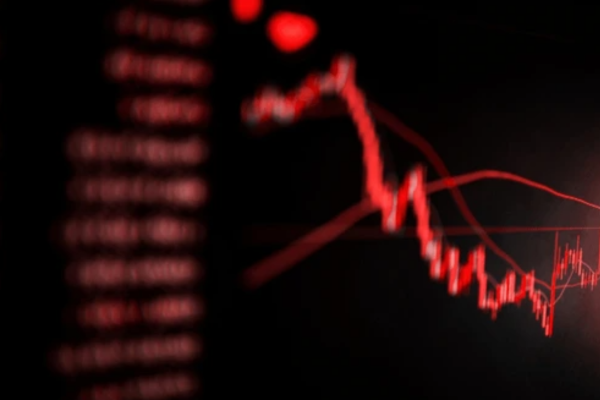
In the end, successful trading is not about avoiding volatility entirely but about understanding it, managing risk, and making decisions based on logic and strategy rather than fear.
Important Note: While both terms share the word “paper,” they refer to very different concepts. Paper hands is about emotional decision-making, where traders sell out of fear or panic. On the other hand, paper trading refers to a simulated trading environment used for practice, learning, and strategy testing without financial risk. So, even though they sound similar, they describe completely different behaviors in the trading world.
FAQ
“Paper hands” refers to traders who sell their positions quickly due to fear or emotional reactions, missing out on potential long-term gains.
To avoid paper hands in crypto, stick to a solid trading plan, manage emotions, and focus on long-term goals rather than short-term volatility.
While paper hands can protect from short-term losses, it often leads to missed opportunities. Staying patient and confident is key to successful trading.
Disclaimer: This content is provided for informational purposes only and does not constitute, and should not be construed as, financial, investment, or other professional advice. No statement or opinion contained here in should be considered a recommendation by Ultima Markets or the author regarding any specific investment product, strategy, or transaction. Readers are advised not to rely solely on this material when making investment decisions and should seek independent advice where appropriate.
Latest Articles



FOLLOW US






Ultima Markets is a member of The Financial Commission, an international independent body responsible for resolving disputes in the Forex and CFD markets.

All clients of Ultima Markets are protected under insurance coverage provided by Willis Towers Watson (WTW), a global insurance brokerage established in 1828, with claims eligibility up to US$1,000,000 per account.

Ultima Markets is the first United CFD broker to be part of the United Nations Global Compact.
FOLLOW US
TRADE WITH US
RISK DISCLOSURE
Risk Warning:
Trading leveraged financial products, including Contracts for Difference (CFDs), carries a high level of risk and may result in losses exceeding your initial investment. These products are not suitable for all investors and should only be traded with funds you can afford to lose. You do not own or have any rights to the underlying assets of these derivatives (e.g., entitlement to dividends). Please ensure you fully understand the associated risks. Before trading, consider your level of experience, investment objectives, and seek independent financial advice if necessary. Refer to our legal documents and disclosures before making any trading decisions.
General Advice Warning:
The information provided on this website is general in nature and does not take into account your personal objectives, financial situation, or needs. Before acting on any advice, you should assess its appropriateness in light of your individual circumstances and consult our legal documentation.
Regional Restrictions:
The information and services on this website are not intended for residents of certain jurisdictions, including but not limited to the United States, United Kingdom, Singapore, and any jurisdictions subject to international sanctions. For further information, please contact our customer support team.
Regulatory Information:
Ultima Markets is a trading name shared amongst multiple entities operating in various jurisdictions. These following entities are authorised to operate under the Ultima Markets brand and trademarks.
-
Ultima Markets UK Limited, reference number 470325, is authorised and regulated by the Financial Conduct Authority (FCA). Registered address: 1 Blossom Yard, Fourth Floor, London, E1 6RS, UNITED KINGDOM.
-
Ultima Markets Ltd is authorised and regulated by the Financial Services Commission (FSC) of Mauritius as a Full-Service Investment Dealer (excluding Underwriting), under licence number GB 23201593.
Registered address: 2nd Floor, The Catalyst, 40 Silicon Avenue, Ebene Cybercity, 72201, Mauritius.

Copyright © 2026 Ultima Markets Ltd. All rights reserved.
-

Messenger


Continue on Messenger
Take the conversation to your Messenger account. You can return anytime.
Scan the QR code and then send the message that appears in your Messenger.
Open Messenger on this device.
-

Instagram

Continue on Instagram
Take the conversation to your Instagram account. You can return anytime.
Scan the QR code to open Instagram. Follow @ultima_markets to send a DM.
Open Instagram on this device.
-

Live Chat
-

