Important Information
This website is managed by Ultima Markets’ international entities, and it’s important to emphasise that they are not subject to regulation by the FCA in the UK. Therefore, you must understand that you will not have the FCA’s protection when investing through this website – for example:
- You will not be guaranteed Negative Balance Protection
- You will not be protected by FCA’s leverage restrictions
- You will not have the right to settle disputes via the Financial Ombudsman Service (FOS)
- You will not be protected by Financial Services Compensation Scheme (FSCS)
- Any monies deposited will not be afforded the protection required under the FCA Client Assets Sourcebook. The level of protection for your funds will be determined by the regulations of the relevant local regulator.
Note: UK clients are kindly invited to visit https://www.ultima-markets.co.uk/. Ultima Markets UK expects to begin onboarding UK clients in accordance with FCA regulatory requirements in 2026.
If you would like to proceed and visit this website, you acknowledge and confirm the following:
- 1.The website is owned by Ultima Markets’ international entities and not by Ultima Markets UK Ltd, which is regulated by the FCA.
- 2.Ultima Markets Limited, or any of the Ultima Markets international entities, are neither based in the UK nor licensed by the FCA.
- 3.You are accessing the website at your own initiative and have not been solicited by Ultima Markets Limited in any way.
- 4.Investing through this website does not grant you the protections provided by the FCA.
- 5.Should you choose to invest through this website or with any of the international Ultima Markets entities, you will be subject to the rules and regulations of the relevant international regulatory authorities, not the FCA.
Ultima Markets wants to make it clear that we are duly licensed and authorised to offer the services and financial derivative products listed on our website. Individuals accessing this website and registering a trading account do so entirely of their own volition and without prior solicitation.
By confirming your decision to proceed with entering the website, you hereby affirm that this decision was solely initiated by you, and no solicitation has been made by any Ultima Markets entity.
I confirm my intention to proceed and enter this website Please direct me to the website operated by Ultima Markets , regulated by the FCA in the United Kingdom
Ultima Markets App
Trade Anytime, Anywhere





What Currency Does Ukraine Use?
Ukraine, located in Eastern Europe, has a rich history marked by significant economic transitions. One of the key aspects of Ukraine’s economy is its currency, the hryvnia (UAH), which plays a central role in the country’s financial system. In this article, we will explore what currency does Ukraine use, a brief history, current state, and economic impact of the Ukraine currency, providing insights into its significance in both domestic and international contexts.
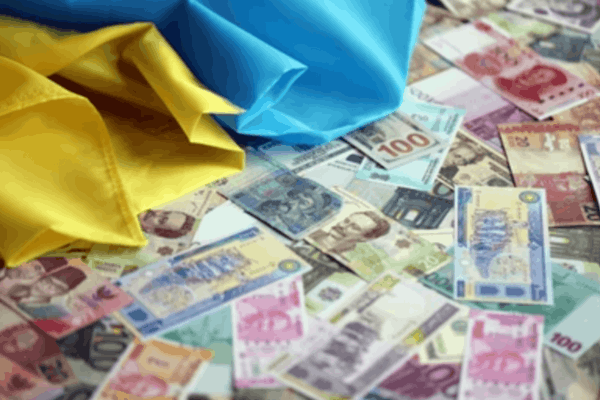
What is the Ukraine Currency?
The official currency of Ukraine is the hryvnia (UAH), which has served as the national currency since 1996, replacing the karbovanets after Ukraine’s independence from the Soviet Union.
The hryvnia is divided into 100 kopiykas and is central to the nation’s monetary policy and financial infrastructure. Its name is derived from a historical term used to describe a unit of weight and value, carrying both economic and cultural importance in Ukraine’s history.
When people ask “what currency does Ukraine use?”, the simple answer is the hryvnia. This currency plays a vital role not only in everyday transactions but also in Ukraine’s participation in international trade.
History of the Hryvnia
The hryvnia’s historical roots go back to the Kievan Rus, where it was used for both monetary and trade purposes. However, the modern hryvnia was introduced in 1996, after Ukraine broke from the Soviet Union and sought to stabilise its economy.
Earlier, during the Ukrainian independence movements in the early 20th century, the first attempts at creating a national currency took place. The Ukrainian People’s Republic issued its own currency in 1917, laying the groundwork for future monetary independence. The first hryvnia banknotes were printed by the Canadian Bank Note Company, symbolising international cooperation in Ukraine’s monetary development.
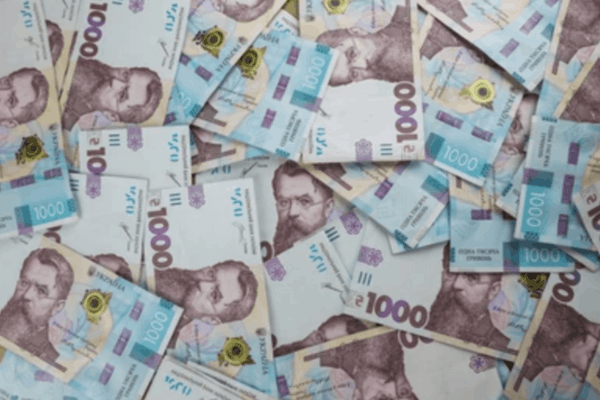
Ukrainian Hryvnia Denominations
The hryvnia (UAH) is divided into 100 kopiykas, and the currency is available in both coins and banknotes. Banknotes come in denominations of 1, 2, 5, 10, 20, 50, 100, 200, 500, and 1,000 hryvnias, each featuring designs that reflect Ukraine’s rich history and culture. Coins are still in circulation in denominations of 10, 25, 50, and 100 kopiykas, while smaller coins (1, 2, and 5 kopiykas) have largely been phased out.
For those engaging in international transactions, understanding the currency of Ukraine is essential. A reliable currency converter can help you keep track of exchange rates and make informed decisions when converting USD to UAH.
Current Economic Context of the Ukraine Currency
As of February 2026, the Ukrainian Hryvnia is trading at approximately 42.9 to 43 UAH per US dollar. This represents a moderate depreciation compared to previous years. While fluctuations in the hryvnia are common, the National Bank of Ukraine (NBU) has made substantial efforts to stabilise the currency.
Despite the geopolitical instability caused by the ongoing conflict with Russia, the NBU has managed to maintain relatively high international reserves, reaching $57.3 billion as of early 2026.
The introduction of the hryvnia in 1996 marked a significant reform in Ukraine’s monetary system, and it has since become a crucial tool for managing inflation and supporting the country’s economic recovery. Even though the hryvnia experienced a 25% devaluation in 2022 due to wartime pressures, it remains essential for facilitating Ukraine’s government operations, tax collection, and economic activities.
Factors Influencing the Ukraine Currency
Several factors affect the Ukraine currency:
- Inflation: Inflation erodes the purchasing power of the hryvnia. The NBU has projected an inflation rate of around 7.5% by the end of 2026, indicating ongoing challenges but also highlighting Ukraine’s efforts to stabilise inflation through monetary policy.
- Monetary Policy: The NBU has adjusted interest rates to control inflation and support economic growth. In January 2026, the central bank lowered its key interest rate from 15.5% to 15% as part of a strategy to ease monetary policy and stimulate economic activity.
- Geopolitical Tensions: The conflict with Russia has had a major impact on the currency of Ukraine, as instability often reduces investor confidence, leading to currency depreciation. The hryvnia remains highly sensitive to geopolitical developments.
- External Financing: Ukraine’s reliance on foreign financial aid from organisations like the International Monetary Fund (IMF) and the European Union helps stabilise the currency by bolstering Ukraine’s foreign reserves.
Impact of the Hryvnia on the Domestic Economy
The Ukraine currency affects daily life, influencing purchasing power and the cost of living. A stronger hryvnia makes imports cheaper and increases consumer purchasing power, while a weaker currency can drive up prices, contributing to inflation.
Additionally, fluctuations in the hryvnia influence trade balances. A weaker hryvnia can make Ukrainian goods more competitive abroad, boosting exports, while a stronger hryvnia can make Ukrainian exports more expensive and reduce competitiveness.
The phasing out of low-denomination coins, such as 1 and 2 kopiykas, has simplified everyday transactions, making payments more efficient. However, it also highlights the ongoing adjustments to the currency system, aimed at improving its efficiency.
Ukraine Currency and International Trade
As Ukraine continues to strengthen its trade relationships with the European Union and other global markets, the Ukraine currency plays a pivotal role. Ukrainian exports, particularly agricultural products and steel, are significantly influenced by fluctuations in the hryvnia’s value.
A weaker hryvnia boosts Ukraine’s competitiveness in global markets by making exports cheaper, while a stronger currency could reduce the country’s export competitiveness.
With Ukraine’s increasing economic ties with the EU and other international players, the stability of the hryvnia will be essential for Ukraine’s future economic integration. The possibility of adopting the euro remains a long-term goal, contingent on meeting economic stability criteria.
Challenges and Future Outlook
Despite the challenges posed by inflation, political instability, and the ongoing war with Russia, Ukraine’s economy is expected to grow at 1.8% in 2026. Much of this growth will depend on the support of international financial institutions and recovery from the ongoing conflict.
The future of the hryvnia will depend on Ukraine’s ability to maintain stability, attract foreign investment, and navigate the complexities of its political and economic environment.
Conclusion
What currency does Ukraine use? The currency of Ukraine is the hryvnia. It has been an integral part of the country’s financial system since its introduction in 1996.
While it has faced challenges, including inflation, geopolitical tensions, and economic instability, it remains a key symbol of Ukraine’s economic sovereignty. The stability of the hryvnia will be crucial as Ukraine continues on its path of recovery and seeks closer integration with the European Union.
FAQs
Ukraine’s official currency is the hryvnia (UAH)
The hryvnia is vital to Ukraine’s economy, helping stabilise inflation, facilitate trade, and symbolise the nation’s financial independence.
As of February 2026, the exchange rate is approximately 42.9 to 43 UAH per US dollar, with gradual stabilisation expected.
Disclaimer: This content is provided for informational purposes only and does not constitute, and should not be construed as, financial, investment, or other professional advice. No statement or opinion contained here in should be considered a recommendation by Ultima Markets or the author regarding any specific investment product, strategy, or transaction. Readers are advised not to rely solely on this material when making investment decisions and should seek independent advice where appropriate.
Latest Articles



FOLLOW US






Ultima Markets is a member of The Financial Commission, an international independent body responsible for resolving disputes in the Forex and CFD markets.

All clients of Ultima Markets are protected under insurance coverage provided by Willis Towers Watson (WTW), a global insurance brokerage established in 1828, with claims eligibility up to US$1,000,000 per account.

Ultima Markets is the first United CFD broker to be part of the United Nations Global Compact.
FOLLOW US
TRADE WITH US
RISK DISCLOSURE
Risk Warning:
Trading leveraged financial products, including Contracts for Difference (CFDs), carries a high level of risk and may result in losses exceeding your initial investment. These products are not suitable for all investors and should only be traded with funds you can afford to lose. You do not own or have any rights to the underlying assets of these derivatives (e.g., entitlement to dividends). Please ensure you fully understand the associated risks. Before trading, consider your level of experience, investment objectives, and seek independent financial advice if necessary. Refer to our legal documents and disclosures before making any trading decisions.
General Advice Warning:
The information provided on this website is general in nature and does not take into account your personal objectives, financial situation, or needs. Before acting on any advice, you should assess its appropriateness in light of your individual circumstances and consult our legal documentation.
Regional Restrictions:
The information and services on this website are not intended for residents of certain jurisdictions, including but not limited to the United States, United Kingdom, Singapore, and any jurisdictions subject to international sanctions. For further information, please contact our customer support team.
Regulatory Information:
Ultima Markets is a trading name shared amongst multiple entities operating in various jurisdictions. These following entities are authorised to operate under the Ultima Markets brand and trademarks.
-
Ultima Markets UK Limited, reference number 470325, is authorised and regulated by the Financial Conduct Authority (FCA). Registered address: 1 Blossom Yard, Fourth Floor, London, E1 6RS, UNITED KINGDOM.
-
Ultima Markets Ltd is authorised and regulated by the Financial Services Commission (FSC) of Mauritius as a Full-Service Investment Dealer (excluding Underwriting), under licence number GB 23201593.
Registered address: 2nd Floor, The Catalyst, 40 Silicon Avenue, Ebene Cybercity, 72201, Mauritius.
-
Ultima Markets EU OÜ, incorporated in Estonia with registry code 17134727. Registered address: Harju maakond, Tallinn, Kristiine linnaosa, Seebi tn 1-1501, 11316. This entity does not offer regulated financial products or provide trading services.

Copyright © 2026 Ultima Markets Ltd. All rights reserved.
-

Messenger


Continue on Messenger
Take the conversation to your Messenger account. You can return anytime.
Scan the QR code and then send the message that appears in your Messenger.
Open Messenger on this device.
-

Instagram

Continue on Instagram
Take the conversation to your Instagram account. You can return anytime.
Scan the QR code to open Instagram. Follow @ultima_markets to send a DM.
Open Instagram on this device.
-

Live Chat
-

