This website is managed by Ultima Markets’ international entities, and it’s important to emphasise that they are not subject to regulation by the FCA in the UK. Therefore, you must understand that you will not have the FCA’s protection when investing through this website – for example:
You will not be guaranteed Negative Balance Protection
You will not be protected by FCA’s leverage restrictions
You will not have the right to settle disputes via the Financial Ombudsman Service (FOS)
You will not be protected by Financial Services Compensation Scheme (FSCS)
Any monies deposited will not be afforded the protection required under the FCA Client Assets Sourcebook. The level of protection for your funds will be determined by the regulations of the relevant local regulator.
Note: UK clients are kindly invited to visit https://www.ultima-markets.co.uk/. Ultima Markets UK expects to begin onboarding UK clients in accordance with FCA regulatory requirements in 2026.
If you would like to proceed and visit this website, you acknowledge and confirm the following:
1.The website is owned by Ultima Markets’ international entities and not by Ultima Markets UK Ltd, which is regulated by the FCA.
2.Ultima Markets Limited, or any of the Ultima Markets international entities, are neither based in the UK nor licensed by the FCA.
3.You are accessing the website at your own initiative and have not been solicited by Ultima Markets Limited in any way.
4.Investing through this website does not grant you the protections provided by the FCA.
5.Should you choose to invest through this website or with any of the international Ultima Markets entities, you will be subject to the rules and regulations of the relevant international regulatory authorities, not the FCA.
Ultima Markets wants to make it clear that we are duly licensed and authorised to offer the services and financial derivative products listed on our website. Individuals accessing this website and registering a trading account do so entirely of their own volition and without prior solicitation.
By confirming your decision to proceed with entering the website, you hereby affirm that this decision was solely initiated by you, and no solicitation has been made by any Ultima Markets entity.
Ultima Markets does not have an establishment in Singapore and does not operate from Singapore.
Ultima Markets does not provide products or services to citizens or residents of Singapore, and account applications from Singapore citizens or residents will not be accepted.
If you are a citizen or resident of Singapore, please do not open an account or use Ultima Markets’ products or services.
By selecting “Acknowledge and Continue Browsing”, you confirm that you are accessing this website on your own initiative and that your access is not the result of any direct marketing, targeted advertising, solicitation, or promotional activity by Ultima Markets.
Nothing on this website constitutes an offer, solicitation, or promotion of products or services in any jurisdiction where such activity is prohibited. You are responsible for ensuring that your access to and use of this website complies with applicable local laws and regulations.
Learn what agricultural commodities are, explore the top 5 examples, discover key price drivers and understand how agricultural commodities trading works.
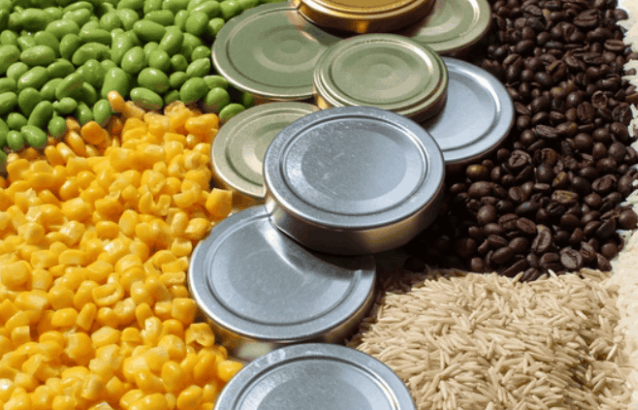
What are agricultural commodities, and why do they matter to global markets? Agricultural commodities are raw materials and primary products grown or raised for commercial use, including corn, wheat, soybeans, coffee and sugar. They support food production, animal feed, textiles and biofuel manufacturing, making them essential to the global economy.
Unlike hard commodities such as gold and crude oil, agricultural commodities depend on farming and growing conditions. Their prices can change with weather patterns, harvest forecasts, inventory levels and international trade policies.
For traders, understanding these factors is an important part of agricultural commodities trading. Futures contracts and contracts for difference (CFDs), where available, provide ways to gain exposure to agricultural price movements without necessarily owning the physical products.
What Are the Top 5 Agricultural Commodities?
Corn, wheat, soybeans, coffee and sugar are five prominent agricultural commodities with established global supply chains and financial markets. Their importance varies depending on production volume, trade value and trading activity, but each offers a useful example of how agricultural markets work.
1. Corn
Corn, also known as maize, is widely used in food production, animal feed and ethanol manufacturing. The United States, China and Brazil are among the world’s major producers.
Corn prices are influenced by growing conditions, harvest forecasts, livestock feed demand and biofuel production. For example, drought in a major producing region can reduce expected yields and tighten supply, potentially putting upward pressure on prices.
Traders often monitor crop reports and inventory estimates from the US Department of Agriculture (USDA) to assess changes in supply and demand.
2. Wheat
Wheat is a staple crop used to produce bread, pasta, noodles and flour. Major producing and exporting regions include North America, Europe, Australia and the Black Sea region.
Weather conditions can significantly affect wheat yields, while geopolitical tensions and export restrictions may disrupt international supply. When major exporters face production problems or limit shipments, global buyers may compete for supplies from other regions.
Wheat futures traded on exchanges such as the Chicago Board of Trade (CBOT) provide a way for market participants to manage price exposure or speculate on price movements.
3. Soybeans
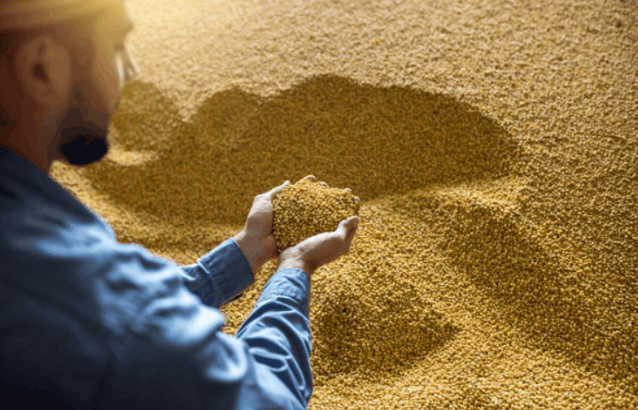
Soybeans are oilseeds processed into soybean meal and soybean oil. Soybean meal is widely used in animal feed, while soybean oil is used in food manufacturing and some biofuel applications.
The United States, Brazil and Argentina are major producers. Changes in harvest forecasts, export demand and livestock production can influence soybean prices. Demand for soybean meal and oil also affects the value of the crop.
Because soybeans have several commercial uses, traders often monitor related markets alongside soybean prices to understand changing demand.
4. Coffee
Coffee is a major agricultural export and one of the world’s most widely consumed beverages. Brazil and Vietnam are among the leading producers, supplying different varieties to international markets.
Coffee plants are sensitive to growing conditions, making weather a key price driver. Drought, frost and excessive rainfall can affect harvests, while transportation disruptions may restrict the availability of coffee beans.
Coffee futures traded on exchanges such as ICE Futures US provide market benchmarks. Traders follow production forecasts, export volumes and weather developments in major producing countries to assess potential price changes.
5. Sugar
Sugar is produced mainly from sugar cane and sugar beet. It is used in food and beverage manufacturing, while sugar cane can also be processed into ethanol.
Brazil and India are major sugar producers. Their harvests, export policies and domestic consumption can influence global supply. Energy prices are also relevant because sugar cane can be used for either sugar production or ethanol, depending on market conditions.
Sugar prices may therefore respond to both agricultural factors and developments in the energy market.
What Are the Main Types of Agricultural Commodities?
Beyond the five examples above, agricultural commodities cover several categories.
Category
Examples
Main uses
Grains and cereals
Corn, wheat, rice, barley
Food and animal feed
Oilseeds
Soybeans, canola
Vegetable oils and animal feed
Soft commodities
Coffee, sugar, cocoa
Food and beverage production
Fibre crops
Cotton
Textiles and clothing
Livestock
Cattle, hogs
Meat production
Dairy products
Milk, butter
Food manufacturing
Not every agricultural product has the same trading market. Some have highly established futures contracts, while others are mainly traded through physical supply chains or specialised financial instruments.
What Factors Affect Agricultural Commodity Prices?
Agricultural commodity prices are shaped by supply and demand, but several factors can influence how these change.
Weather and harvests: Droughts, floods and extreme temperatures can reduce crop yields and affect expected supply.
Inventories and production forecasts: Large inventories may ease supply concerns, while lower stocks can make markets more sensitive to disruptions.
International trade: Export restrictions, tariffs and geopolitical tensions can disrupt supply chains and change trade flows.
Currency movements: A weaker US dollar can make dollar-priced commodities less expensive for buyers using other currencies, all else being equal.
Energy and transport costs: Fuel, fertiliser and freight costs affect agricultural production and distribution. Energy prices can also influence demand for crops used in biofuel production.
Recent market data illustrates how these factors interact. In its 2 October 2026 release, the Food and Agriculture Organization of the United Nations (FAO) reported that its Food Price Index rose 1.5% in September, with the cereal index increasing 5.1% and the sugar index rising 6.1% month on month. The FAO cited factors including logistical constraints, weather concerns and reduced export availability. These figures reflect international food price trends rather than the performance of individual futures contracts.
Meanwhile, USDA data published on 30 September 2026 showed US corn stocks were 35% higher than a year earlier, while soybean stocks fell 3% and wheat stocks declined 14%. These contrasting figures demonstrate why traders should examine each commodity’s supply conditions individually.
How Does Agricultural Commodities Trading Work?
Agricultural commodities trading involves buying and selling physical products or financial instruments linked to their prices. Three common approaches are:
Physical trading: Buying and selling actual agricultural products, usually involving storage, transport and delivery arrangements.
Futures contracts: Standardised agreements traded on exchanges that allow participants to gain price exposure or hedge against future price changes.
Contracts for difference (CFDs): Derivatives that allow traders to speculate on price movements without owning the underlying commodity.
With CFDs, traders may open a long position if they expect prices to rise or a short position if they expect prices to fall. However, CFDs involve leverage, which magnifies both gains and losses. Trading hours, costs and available commodities also vary by provider.
Before participating, traders should understand the instrument’s specifications, margin requirements and potential losses.
Conclusion
Agricultural commodities are essential to food production, manufacturing and international trade. Corn, wheat, soybeans, coffee and sugar are five prominent examples, each with distinct supply chains and price drivers.
Understanding what agricultural commodities are means looking beyond the crops themselves to the weather, inventories, trade policies and economic conditions that influence their prices. For those exploring agricultural commodities trading, monitoring reliable market data and understanding the risks of different financial instruments are important steps towards making informed decisions.
FAQ
What are agricultural commodities?
They are raw materials and primary products grown or raised for commercial use, including grains, oilseeds, soft commodities and livestock.
What are the top 5 agricultural commodities?
Five prominent examples are corn, wheat, soybeans, coffee and sugar. Rankings vary depending on the measurement used.
How can you trade agricultural commodities?
Depending on availability, traders can use futures, options, CFDs or exchange-traded funds (ETFs) to gain exposure to agricultural markets.
What affects agricultural commodity prices?
Weather, harvest yields, inventory levels, global demand, trade policies, currency movements and transport costs can all influence prices.
Is agricultural commodities trading risky?
Yes. Prices can be volatile, and leveraged products can magnify losses. Traders should understand the risks and costs before trading.
Share Now
Disclaimer:This content is provided for informational purposes only and does not constitute, and should not be construed as, financial, investment, or other professional advice. No statement or opinion contained herein should be considered a recommendation by Ultima Markets or the author regarding any specific investment product, strategy, or transaction. Readers are advised not to rely solely on this material when making investment decisions and should seek independent advice where appropriate.
Thank you for visiting the Ultima Markets website. Please note that this website is intended for individuals residing in jurisdictions where access is permitted by law. Ultima and its affiliated entities do not operate in your home jurisdiction.
By clicking ‘Acknowledge’, you confirm that you are entering this website solely on your own initiative and not as a result of any specific marketing outreach. You wish to obtain information from this website based on reverse solicitation principles, in accordance with the applicable laws of your home jurisdiction.