Important Information
This website is managed by Ultima Markets’ international entities, and it’s important to emphasise that they are not subject to regulation by the FCA in the UK. Therefore, you must understand that you will not have the FCA’s protection when investing through this website – for example:
- You will not be guaranteed Negative Balance Protection
- You will not be protected by FCA’s leverage restrictions
- You will not have the right to settle disputes via the Financial Ombudsman Service (FOS)
- You will not be protected by Financial Services Compensation Scheme (FSCS)
- Any monies deposited will not be afforded the protection required under the FCA Client Assets Sourcebook. The level of protection for your funds will be determined by the regulations of the relevant local regulator.
Note: UK clients are kindly invited to visit https://www.ultima-markets.co.uk/. Ultima Markets UK expects to begin onboarding UK clients in accordance with FCA regulatory requirements in 2026.
If you would like to proceed and visit this website, you acknowledge and confirm the following:
- 1.The website is owned by Ultima Markets’ international entities and not by Ultima Markets UK Ltd, which is regulated by the FCA.
- 2.Ultima Markets Limited, or any of the Ultima Markets international entities, are neither based in the UK nor licensed by the FCA.
- 3.You are accessing the website at your own initiative and have not been solicited by Ultima Markets Limited in any way.
- 4.Investing through this website does not grant you the protections provided by the FCA.
- 5.Should you choose to invest through this website or with any of the international Ultima Markets entities, you will be subject to the rules and regulations of the relevant international regulatory authorities, not the FCA.
Ultima Markets wants to make it clear that we are duly licensed and authorised to offer the services and financial derivative products listed on our website. Individuals accessing this website and registering a trading account do so entirely of their own volition and without prior solicitation.
By confirming your decision to proceed with entering the website, you hereby affirm that this decision was solely initiated by you, and no solicitation has been made by any Ultima Markets entity.
I confirm my intention to proceed and enter this website Please direct me to the website operated by Ultima Markets , regulated by the FCA in the United Kingdom
Ultima Markets App
Trade Anytime, Anywhere





The Types of Trading You Need to Know
Trading is a dynamic and ever-evolving activity that allows individuals and institutions to buy and sell financial instruments in the pursuit of profit. While the core concept of trading remains the same, the methods by which people approach the market vary widely. Understanding the different types of trading can help you identify the best strategy to align with your goals, risk tolerance, and time commitment.
In this article, we will break down the most common types of trading, explain their characteristics, and explore how each method works in practice.
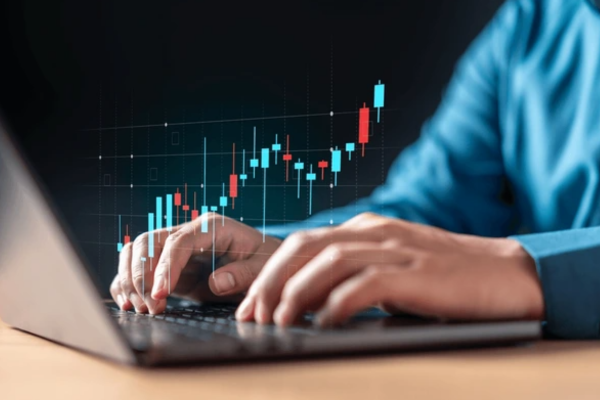
The Different Types of Trading in the Market
Each trading style caters to different goals, time commitments, and risk appetites. Whether you’re looking to make quick, intraday profits or prefer holding positions for a longer duration, understanding these strategies will help you choose the right one for your trading journey.
Let’s explore the types of trading you may encounter in the market:

1. Day Trading: Fast-Paced and Intraday Action
Day trading is one of the most active types of trading, where traders buy and sell assets within the same trading day. The goal is to capitalize on short-term price movements, typically using technical analysis and real-time market data.
Key Characteristics:
- Timeframe: Trades are executed within a single day.
- Frequency: Multiple trades per day.
- Objective: Profit from small price fluctuations during market hours.
Day traders often use chart analysis and technical indicators to predict price movements, and they close all positions before the market closes to avoid overnight risk. This method requires a high level of focus, quick decision-making, and the ability to react swiftly to market changes.
| Pros | Cons |
| Quick profit potential from frequent trades. | Demands a lot of time and attention. |
| No overnight exposure to market risk. | High transaction costs due to frequent trades. |
Day trading is best suited for individuals who thrive in fast-paced environments and are comfortable with high levels of risk.
2. Swing Trading: Catching the Bigger Moves
Swing trading involves holding positions for several days or weeks to profit from price swings in the market. Traders using this strategy seek to take advantage of medium-term trends and often rely on both technical analysis and fundamental analysis.
Key Characteristics:
- Timeframe: Positions are held from a few days to a few weeks.
- Frequency: Fewer trades compared to day trading.
- Objective: Profit from medium-term market swings.
Swing traders aim to capture larger price moves than day traders but do not need to monitor the markets as frequently. They focus on identifying trends and entering positions that capitalize on price swings within those trends.
| Pros | Cons |
| Less time-consuming than day trading. | Exposure to overnight and weekend risk. |
| Larger price movements can lead to bigger profits. | Requires patience and careful market analysis. |
Swing trading suits traders who can dedicate some time to analyze market trends but do not want to commit to the fast-paced nature of day trading.
3. Position Trading: A Long-Term Strategy
Position trading is a long-term approach where traders hold positions for weeks, months, or even years. The strategy focuses on capturing major price trends over a longer period, using both fundamental analysis and technical indicators to assess the overall direction of the market.
Key Characteristics:
- Timeframe: Positions are held for weeks, months, or years.
- Frequency: Rarely made trades.
- Objective: Profit from long-term market trends.
Position traders generally aim to profit from significant movements in the market, and they are less concerned with daily price fluctuations. This strategy is best for individuals who are comfortable with a slower pace and prefer a more hands-off approach to trading.
| Pros | Cons |
| Less time-intensive than day trading. | Capital is tied up for long periods. |
| Potential for large profits from long-term trends. | Vulnerability to larger market swings over time. |
Position trading is ideal for those who want to invest with a long-term view, often using macro-level data like company earnings, economic indicators, and global events to guide decisions.
4. Scalping: Profiting from Small Movements
Scalping is a high-frequency trading strategy where traders aim to profit from very small price changes. Positions are held for seconds or minutes, and traders often make dozens or even hundreds of trades within a single day.
Key Characteristics:
- Timeframe: Positions are held for minutes or seconds.
- Frequency: Very high number of trades.
- Objective: Make small profits from frequent, quick trades.
Scalping requires a high degree of focus, precision, and quick execution. This strategy works well in highly liquid markets, where small price movements can accumulate into significant profits.
| Pros | Cons |
| Potential for frequent profits. | Requires extreme concentration and speed. |
| No exposure to overnight risk. | High transaction costs due to frequent trades. |
Scalping is suited for individuals who enjoy a fast-paced environment and have the time to dedicate to monitoring the market constantly.
5. Algorithmic Trading: Let the Machines Do the Work
Algorithmic trading, also known as algo trading, involves using computer algorithms to automatically execute trades based on predefined criteria. These systems analyze vast amounts of data at high speeds, identifying opportunities and executing trades without human intervention.
Key Characteristics:
- Timeframe: Varies based on the algorithm used, often in milliseconds or seconds.
- Frequency: Extremely high trade volume.
- Objective: Use automation to profit from price movements based on complex algorithms.
Algorithmic trading is used by institutional investors and professional traders due to the high level of expertise, technology, and resources required. In recent years, some retail brokers have started offering algorithmic trading tools for individual traders.
| Pros | Cons |
| High-speed execution and the ability to handle large volumes of trades. | Requires significant technical knowledge and infrastructure. |
| Can reduce emotional bias in trading decisions. | Complex algorithms can lead to significant losses if not properly tested and monitored. |
Algo trading is suitable for experienced traders who have access to the right technology and infrastructure.
6. Copy Trading: Learning from the Experts
Copy trading, also known as social trading, allows traders to copy the trades of more experienced investors. This method allows beginners or those with limited time to profit from the expertise of others without making their own trades.
Key Characteristics:
- Timeframe: Follows the timeframe of the trader being copied.
- Frequency: Dependent on the trader being copied.
- Objective: Copy the strategies of successful traders.
Copy trading platforms allow users to browse through experienced traders’ profiles and select those whose strategies align with their goals. Once a trader is chosen, the platform automatically copies their trades.
| Pros | Cons |
| Ideal for beginners who want to follow experienced traders. | Performance depends on the trader being copied. |
| Minimal time commitment required. | Limited control over individual trades. |
Copy trading is best for individuals who want to learn from others and benefit from their expertise, without dedicating a significant amount of time to market analysis.
7. High-Frequency Trading (HFT): Leveraging Speed for Profit
High-frequency trading (HFT) uses sophisticated algorithms and powerful computers to execute a high volume of trades in fractions of a second. The goal is to profit from small price inefficiencies that exist for brief moments in the market.
Key Characteristics:
- Timeframe: Positions last milliseconds to seconds.
- Frequency: Extremely high volume of trades.
- Objective: Capitalize on price differences in very short timeframes.
HFT relies on cutting-edge technology and is primarily used by institutional traders and hedge funds due to the complexity and costs involved.
| Pros | Cons |
| Extremely fast trade execution. | Requires a significant technological infrastructure. |
| Potential to capitalize on small price changes. | High operational costs and risks. |
Finding Your Trading Style
Each type of trading offers unique advantages and challenges. The best approach for you will depend on your risk tolerance, time commitment, and expertise.

Whether you’re interested in the fast-paced nature of day trading, the long-term perspective of position trading, or the technological edge of algorithmic trading, understanding these methods will help you make informed decisions and develop a strategy that works for you.
By exploring the different types of trading, you can find the approach that suits your personality, trading goals, and financial aspirations. Happy trading!
The main types of trading include day trading, swing trading, position trading, scalping, algorithmic trading, copy trading, and high-frequency trading. Each differs in time frame, strategy, and risk.
Choose based on your time availability, risk tolerance, and knowledge. Day trading is fast-paced, swing trading suits those with a bit more time, and position trading is for long-term investors.
Day trading is challenging for beginners due to its fast pace and high risk. Beginners should start with less intense strategies like swing trading or position trading.
Disclaimer: This content is provided for informational purposes only and does not constitute, and should not be construed as, financial, investment, or other professional advice. No statement or opinion contained here in should be considered a recommendation by Ultima Markets or the author regarding any specific investment product, strategy, or transaction. Readers are advised not to rely solely on this material when making investment decisions and should seek independent advice where appropriate.
Latest Articles



FOLLOW US






Ultima Markets is a member of The Financial Commission, an international independent body responsible for resolving disputes in the Forex and CFD markets.

All clients of Ultima Markets are protected under insurance coverage provided by Willis Towers Watson (WTW), a global insurance brokerage established in 1828, with claims eligibility up to US$1,000,000 per account.

Ultima Markets is the first United CFD broker to be part of the United Nations Global Compact.
FOLLOW US
TRADE WITH US
RISK DISCLOSURE
Risk Warning:
Trading leveraged financial products, including Contracts for Difference (CFDs), carries a high level of risk and may result in losses exceeding your initial investment. These products are not suitable for all investors and should only be traded with funds you can afford to lose. You do not own or have any rights to the underlying assets of these derivatives (e.g., entitlement to dividends). Please ensure you fully understand the associated risks. Before trading, consider your level of experience, investment objectives, and seek independent financial advice if necessary. Refer to our legal documents and disclosures before making any trading decisions.
General Advice Warning:
The information provided on this website is general in nature and does not take into account your personal objectives, financial situation, or needs. Before acting on any advice, you should assess its appropriateness in light of your individual circumstances and consult our legal documentation.
Regional Restrictions:
The information and services on this website are not intended for residents of certain jurisdictions, including but not limited to the United States, United Kingdom, Singapore, and any jurisdictions subject to international sanctions. For further information, please contact our customer support team.
Regulatory Information:
Ultima Markets is a trading name shared amongst multiple entities operating in various jurisdictions. These following entities are authorised to operate under the Ultima Markets brand and trademarks.
-
Ultima Markets UK Limited, reference number 470325, is authorised and regulated by the Financial Conduct Authority (FCA). Registered address: 1 Blossom Yard, Fourth Floor, London, E1 6RS, UNITED KINGDOM.
-
Ultima Markets Ltd is authorised and regulated by the Financial Services Commission (FSC) of Mauritius as a Full-Service Investment Dealer (excluding Underwriting), under licence number GB 23201593.
Registered address: 2nd Floor, The Catalyst, 40 Silicon Avenue, Ebene Cybercity, 72201, Mauritius.
-
Ultima Markets EU OÜ, incorporated in Estonia with registry code 17134727. Registered address: Harju maakond, Tallinn, Kristiine linnaosa, Seebi tn 1-1501, 11316. This entity does not offer regulated financial products or provide trading services.

Copyright © 2026 Ultima Markets Ltd. All rights reserved.
-

Messenger


Continue on Messenger
Take the conversation to your Messenger account. You can return anytime.
Scan the QR code and then send the message that appears in your Messenger.
Open Messenger on this device.
-

Instagram

Continue on Instagram
Take the conversation to your Instagram account. You can return anytime.
Scan the QR code to open Instagram. Follow @ultima_markets to send a DM.
Open Instagram on this device.
-

Live Chat
-

