Important Information
This website is managed by Ultima Markets’ international entities, and it’s important to emphasise that they are not subject to regulation by the FCA in the UK. Therefore, you must understand that you will not have the FCA’s protection when investing through this website – for example:
- You will not be guaranteed Negative Balance Protection
- You will not be protected by FCA’s leverage restrictions
- You will not have the right to settle disputes via the Financial Ombudsman Service (FOS)
- You will not be protected by Financial Services Compensation Scheme (FSCS)
- Any monies deposited will not be afforded the protection required under the FCA Client Assets Sourcebook. The level of protection for your funds will be determined by the regulations of the relevant local regulator.
Note: UK clients are kindly invited to visit https://www.ultima-markets.co.uk/. Ultima Markets UK expects to begin onboarding UK clients in accordance with FCA regulatory requirements in 2026.
If you would like to proceed and visit this website, you acknowledge and confirm the following:
- 1.The website is owned by Ultima Markets’ international entities and not by Ultima Markets UK Ltd, which is regulated by the FCA.
- 2.Ultima Markets Limited, or any of the Ultima Markets international entities, are neither based in the UK nor licensed by the FCA.
- 3.You are accessing the website at your own initiative and have not been solicited by Ultima Markets Limited in any way.
- 4.Investing through this website does not grant you the protections provided by the FCA.
- 5.Should you choose to invest through this website or with any of the international Ultima Markets entities, you will be subject to the rules and regulations of the relevant international regulatory authorities, not the FCA.
Ultima Markets wants to make it clear that we are duly licensed and authorised to offer the services and financial derivative products listed on our website. Individuals accessing this website and registering a trading account do so entirely of their own volition and without prior solicitation.
By confirming your decision to proceed with entering the website, you hereby affirm that this decision was solely initiated by you, and no solicitation has been made by any Ultima Markets entity.
I confirm my intention to proceed and enter this website Please direct me to the website operated by Ultima Markets , regulated by the FCA in the United Kingdom
Ultima Markets App
Trade Anytime, Anywhere





Discretionary Trading: A Simple Guide
Discretionary trading remains one of the most widely used and respected trading approaches in the global forex and CFD markets. While algorithmic, quantitative, and AI-driven systems continue to evolve, discretionary trading still plays a central role in how professional traders interpret markets, manage risk, and respond to uncertainty.
What Is Discretionary Trading?
Discretionary trading is a trading approach where decisions are made manually by the trader, using analysis, experience, and judgment, rather than being executed automatically by a predefined algorithm or rigid rule set.
Instead of relying solely on mechanical entry and exit rules, discretionary traders assess market conditions in real time. They evaluate price behaviour, macroeconomic context, volatility, sentiment, and liquidity before deciding whether to enter, manage, or exit a trade.
In simple terms, discretionary trading puts the decision-making responsibility on the trader, not the system.
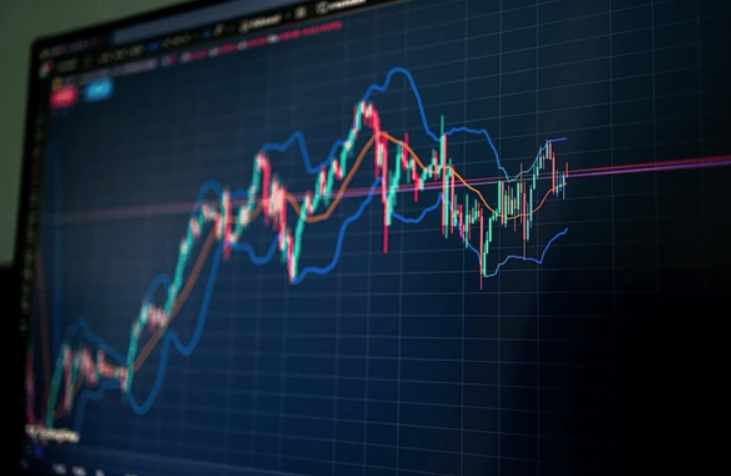
Discretionary Trading Pros and Cons
Discretionary trading offers traders flexibility and control, but it also places greater responsibility on decision-making.
Unlike automated or rule-based systems, success depends heavily on the trader’s experience, discipline, and ability to manage emotions.
Understanding the advantages and limitations of discretionary trading helps traders decide whether this approach fits their trading style and risk tolerance before committing to it.
Advantages of Discretionary Trading
Flexibility in Changing Markets
Discretionary traders adapt quickly when volatility, sentiment, or liquidity shifts.
Context Awareness
Human judgment allows traders to interpret economic events, policy signals, and sentiment nuances.
Better Handling of Unusual Conditions
During crises or regime changes, discretionary traders can step aside or reduce risk.
Low Technical Barrier
No programming or system development is required, making discretionary trading accessible.
Disadvantages of Discretionary Trading
Emotional Bias
Emotions can distort judgment, leading to overtrading or poor exits.
Inconsistency
Results may vary depending on the trader’s mental state or external pressure.
Limited Statistical Validation
Discretionary strategies are difficult to backtest precisely.
High Learning Curve
Beginners often struggle without structured guidance and journaling.
How Discretionary Trading Differs From Rule-Based Trading
Discretionary trading and rule-based trading both aim to profit from the markets, but they differ in who makes the decisions and how trades are executed. Understanding these differences helps traders choose an approach that fits their personality, experience, and trading goals.
Core Differences at a Glance
The main difference is decision control.
- Discretionary trading: A human trader makes the final decision
- Rule-based trading: A fixed set of rules decides when to trade
In discretionary trading, rules guide the trader. In rule-based trading, rules replace the trader’s judgment.
| Aspect | Discretionary Trading | Rule Based Trading |
| Who makes the decision | The trader makes the final call using judgment and context | A fixed set of rules triggers entries and exits |
| How trades are triggered | You choose to trade after reviewing the setup | The system trades whenever conditions are met |
| Flexibility | High. You can skip, delay, or adjust trades based on market conditions | Low. Rules stay the same unless you rewrite them |
| Reaction to news | You may avoid trading before big events or reduce risk | It may still enter trades if the rule conditions match |
| Trade management | Dynamic. You can exit early, scale in or out, or tighten stops based on price action | Usually fixed. Stops and targets follow preset logic |
| Emotional influence | Higher risk of fear, FOMO, or overconfidence affecting decisions | Lower during execution, but emotions can affect rule changes |
| Consistency | Depends on discipline and experience | More consistent because rules are followed every time |
| Backtesting | Harder to test because judgment is not always measurable | Easier to backtest and measure statistically |
| Best for | Traders who can read market context and adapt | Traders who want structure and repeatable execution |
Discretionary Trading vs Automated Trading: Which Is Better?
Choosing between discretionary trading and automated trading is one of the most common questions traders ask, especially as technology becomes more advanced. Both approaches aim to capture market opportunities, but they rely on very different methods to make decisions and manage trades.
Understanding how each approach works and where it performs best helps traders choose a style that matches their experience level, personality, and trading objectives.
Discretionary Trading
Discretionary trading relies on human judgment. The trader analyses price action, market conditions, news, and risk before deciding whether to enter or exit a trade.
Automated trading, on the other hand, uses predefined rules or algorithms to execute trades automatically without human intervention once the system is live. Each method has clear strengths and limitations.
Discretionary trading is generally better when markets are uncertain or changing. Human traders can interpret unexpected news, shifts in sentiment, and unusual price behaviour more effectively than a fixed system. This makes discretionary trading well suited for event-driven markets, central bank decisions, or periods of high volatility.
However, it requires strong discipline and emotional control, as poor decision-making can quickly lead to inconsistent results.
Automated Trading
Automated trading is better for consistency and speed. It removes emotional decision-making and executes trades exactly as programmed, which is useful in stable market conditions or strategies that rely on repetition. Automated systems can also monitor multiple markets at once and trade without fatigue.
The downside is that they may struggle when market conditions change or when unexpected events occur, as they can only act within their programmed rules.
There is no single better approach for everyone. Discretionary trading suits traders who value flexibility, market understanding, and active involvement. Automated trading suits traders who prefer structure, consistency, and minimal emotional involvement.
Many experienced traders combine both by using automated systems for execution while applying discretionary judgment to manage risk and filter trades. The better approach is always the one that fits your trading style, risk tolerance, and ability to stay disciplined over time.

How to Be a Discretionary Trader
Becoming a discretionary trader is not about guessing market direction or relying on instinct alone. It is a structured learning process that combines market knowledge, disciplined decision-making, and consistent risk control. Below is a clear, step-by-step guide on how to develop into a discretionary trader, especially in forex and CFD markets.
- Learn How the Market Works
The first step is understanding how financial markets move. A discretionary trader must know why prices move up or down, how supply and demand affect price and how economic data, interest rates, and sentiment influence markets.
In forex trading, this includes learning how currencies react to inflation data, central bank signals, and global risk sentiment. Without this foundation, discretionary decisions lack context.
- Focus on Price Action and Market Structure
Discretionary traders rely heavily on price behaviour, not just indicators. This means learning to read trends and ranges, support and resistance levels, breakouts and false breakouts and candlestick behaviour. Instead of asking “what does the indicator say,” discretionary traders ask “what is price telling me right now.”
- Use Indicators as Support, Not Decision Makers
Indicators can help, but they should not replace thinking. Many discretionary traders use indicators to confirm momentum, identify overbought or oversold conditions and support trend direction.
The key is to avoid blindly following signals. Indicators provide information, while the final decision remains with the trader.
- Develop a Clear Risk Management Framework
Risk management is more important than finding the perfect trade. A discretionary trader should always define how much to risk per trade, where to exit if the trade is wrong and maximum daily or weekly loss limits. Without strict risk rules, discretionary trading can quickly turn emotional and inconsistent.
- Practise Emotional Control and Discipline
Because discretionary trading is manual, emotions play a bigger role. Traders must learn to manage fear after losses, overconfidence after wins and fear of missing out during fast markets. Successful discretionary traders stick to their process, even when emotions push them to act impulsively.
- Start on Higher Timeframes
Beginners benefit from trading higher timeframes such as the four-hour or daily charts. These reduce market noise, allow more time to think and encourage better decision-making. This approach helps traders develop patience and consistency before moving to faster charts.
- Keep a Trading Journal
A trading journal is one of the most powerful tools for discretionary traders. It helps you review why trades were taken, identify emotional mistakes and improve decision quality over time. Discretionary trading improves through reflection, not repetition alone.
- Practise in a Demo Environment First
Before trading with real money, discretionary traders should practise in a demo account. This allows you to test your decision-making, experience real market conditions, build confidence without financial pressure. Demo trading helps turn theory into practical skill.
- Review, Refine, and Stay Consistent
Discretionary trading is a long-term skill. Markets change, and traders must review performance regularly, refine their approach gradually and stay consistent with risk and discipline. There is no shortcut. Consistency matters more than frequency.
Is Discretionary Trading Suitable for Beginners?
Discretionary trading can be challenging for beginners because it requires more than just understanding basic indicators or following simple rules. New traders often lack market experience, making it harder to judge whether a setup is genuinely strong or if market conditions are changing. Since discretionary trading involves making decisions in real time, beginners may struggle with emotional control, especially after losses or during fast-moving markets. Without a structured framework, it is easy to overtrade, hesitate, or take trades based on fear of missing out rather than logic.
That said, discretionary trading is not unsuitable for beginners. When approached with clear risk management, higher timeframes, and a strong focus on learning rather than profits, it can help new traders develop market awareness and decision-making skills. Beginners who use trading journals, limit the number of trades, and treat discretionary trading as a learning process often build a stronger foundation over time.
Conclusion
Discretionary trading remains a powerful approach in forex trading, especially for traders who value flexibility, market awareness, and hands-on decision-making. By combining technical analysis, market context, and disciplined risk management, discretionary traders can adapt to changing market conditions that rigid systems may struggle with.
For traders looking to build confidence and practical experience, starting in a risk-free environment is essential. With a demo account from Ultima Markets, traders can practise discretionary trading strategies in real market conditions without risking real capital. This allows you to refine decision-making, understand market behaviour, and develop consistency before transitioning to live forex trading.
Whether you are new to trading or improving your discretionary skills, using a demo account is a smart first step toward becoming a more confident and disciplined trader.
FAQs
A discretionary trade is a trade entered and managed manually by a trader based on market analysis and judgment, rather than being executed automatically by a fixed set of rules or algorithms.
A discretionary trading strategy is a flexible trading approach where the trader uses analysis, experience, and market context to decide entries, exits, and risk management instead of following strict, automated rules.
To become a discretionary trader, learn market analysis, practise disciplined risk management, control emotions, and gain experience through chart study, trade journaling, and using a demo account before trading live.
Disclaimer: This content is provided for informational purposes only and does not constitute, and should not be construed as, financial, investment, or other professional advice. No statement or opinion contained here in should be considered a recommendation by Ultima Markets or the author regarding any specific investment product, strategy, or transaction. Readers are advised not to rely solely on this material when making investment decisions and should seek independent advice where appropriate.
Latest Articles



FOLLOW US






Ultima Markets is a member of The Financial Commission, an international independent body responsible for resolving disputes in the Forex and CFD markets.

All clients of Ultima Markets are protected under insurance coverage provided by Willis Towers Watson (WTW), a global insurance brokerage established in 1828, with claims eligibility up to US$1,000,000 per account.

Ultima Markets is the first United CFD broker to be part of the United Nations Global Compact.
FOLLOW US
TRADE WITH US
RISK DISCLOSURE
Risk Warning:
Trading leveraged financial products, including Contracts for Difference (CFDs), carries a high level of risk and may result in losses exceeding your initial investment. These products are not suitable for all investors and should only be traded with funds you can afford to lose. You do not own or have any rights to the underlying assets of these derivatives (e.g., entitlement to dividends). Please ensure you fully understand the associated risks. Before trading, consider your level of experience, investment objectives, and seek independent financial advice if necessary. Refer to our legal documents and disclosures before making any trading decisions.
General Advice Warning:
The information provided on this website is general in nature and does not take into account your personal objectives, financial situation, or needs. Before acting on any advice, you should assess its appropriateness in light of your individual circumstances and consult our legal documentation.
Regional Restrictions:
The information and services on this website are not intended for residents of certain jurisdictions, including but not limited to the United States, United Kingdom, Singapore, and any jurisdictions subject to international sanctions. For further information, please contact our customer support team.
Regulatory Information:
Ultima Markets is a trading name shared amongst multiple entities operating in various jurisdictions. These following entities are authorised to operate under the Ultima Markets brand and trademarks.
-
Ultima Markets UK Limited, reference number 470325, is authorised and regulated by the Financial Conduct Authority (FCA). Registered address: 1 Blossom Yard, Fourth Floor, London, E1 6RS, UNITED KINGDOM.
-
Ultima Markets Ltd is authorised and regulated by the Financial Services Commission (FSC) of Mauritius as a Full-Service Investment Dealer (excluding Underwriting), under licence number GB 23201593.
Registered address: 2nd Floor, The Catalyst, 40 Silicon Avenue, Ebene Cybercity, 72201, Mauritius.
-
Ultima Markets EU OÜ, incorporated in Estonia with registry code 17134727. Registered address: Harju maakond, Tallinn, Kristiine linnaosa, Seebi tn 1-1501, 11316. This entity does not offer regulated financial products or provide trading services.

Copyright © 2026 Ultima Markets Ltd. All rights reserved.
-

Messenger


Continue on Messenger
Take the conversation to your Messenger account. You can return anytime.
Scan the QR code and then send the message that appears in your Messenger.
Open Messenger on this device.
-

Instagram

Continue on Instagram
Take the conversation to your Instagram account. You can return anytime.
Scan the QR code to open Instagram. Follow @ultima_markets to send a DM.
Open Instagram on this device.
-

Live Chat
-

