
Ultima Markets App
Trade Anytime, Anywhere





Important Information
This website is managed by Ultima Markets’ international entities, and it’s important to emphasise that they are not subject to regulation by the FCA in the UK. Therefore, you must understand that you will not have the FCA’s protection when investing through this website – for example:
- You will not be guaranteed Negative Balance Protection
- You will not be protected by FCA’s leverage restrictions
- You will not have the right to settle disputes via the Financial Ombudsman Service (FOS)
- You will not be protected by Financial Services Compensation Scheme (FSCS)
- Any monies deposited will not be afforded the protection required under the FCA Client Assets Sourcebook. The level of protection for your funds will be determined by the regulations of the relevant local regulator.
Note: Ultima Markets is currently developing a dedicated website for UK clients and expects to onboard UK clients under FCA regulations in 2026.
If you would like to proceed and visit this website, you acknowledge and confirm the following:
- 1.The website is owned by Ultima Markets’ international entities and not by Ultima Markets UK Ltd, which is regulated by the FCA.
- 2.Ultima Markets Limited, or any of the Ultima Markets international entities, are neither based in the UK nor licensed by the FCA.
- 3.You are accessing the website at your own initiative and have not been solicited by Ultima Markets Limited in any way.
- 4.Investing through this website does not grant you the protections provided by the FCA.
- 5.Should you choose to invest through this website or with any of the international Ultima Markets entities, you will be subject to the rules and regulations of the relevant international regulatory authorities, not the FCA.
Ultima Markets wants to make it clear that we are duly licensed and authorised to offer the services and financial derivative products listed on our website. Individuals accessing this website and registering a trading account do so entirely of their own volition and without prior solicitation.
By confirming your decision to proceed with entering the website, you hereby affirm that this decision was solely initiated by you, and no solicitation has been made by any Ultima Markets entity.
I confirm my intention to proceed and enter this website Please direct me to the website operated by Ultima Markets , regulated by the FCA in the United Kingdom

Discovering the Types of Money in the World
Money is at the heart of every economy, shaping how we trade, invest, and allocate resources. Over the centuries, the types of money have evolved dramatically, adapting to the needs of societies and advancements in technology. In this article, we will explore the different types of money, their historical foundations, and their roles in today’s economy.
Commodity Money: The Foundation of Exchange
Before the invention of modern money, societies relied on the barter system, where goods and services were exchanged directly. However, the barter system was inefficient due to the “coincidence of wants”. Both parties had to want what the other offered at the same time. This limitation led to the need for a more effective medium of exchange, giving rise to commodity money.
Commodity money is based on items that have intrinsic value, meaning they are valuable in and of themselves. People used commodities like cattle, seashells, salt, and precious metals as money because they were universally recognized as valuable.
Examples of Commodity Money:
- Gold and Silver: Precious metals like gold and silver were widely used as money, often in the form of coins.
- Livestock and Grain: In early agricultural societies, livestock and grain were essential and served as currency.
Despite its historical use, commodity money had practical limitations. Carrying large quantities was cumbersome, and its value could fluctuate, which led to the development of more flexible forms of money.
The Characteristics of Money
For money to function effectively in the economy, it must possess certain key characteristics:
- Durability: Money must withstand repeated use without deteriorating, ensuring it retains its value.
- Portability: Money should be easy to transport and transfer.
- Divisibility: Money must be divisible into smaller units for transactions of varying sizes.
- Recognizability and Uniformity: Money must be easily identified and trusted by all participants in the financial system.
- Scarcity: Money should be in limited supply to maintain its value, preventing inflation.
In modern economies, these characteristics are maintained through secure digital systems, making money a reliable tool for exchange and value storage.
Representative Money: A Step Toward Modern Currency
Representative money emerged as a solution to the limitations of commodity money. It represents a claim to a commodity, like gold or silver, which could be exchanged for the actual commodity upon demand. This made transactions easier without needing to physically transport valuable goods.
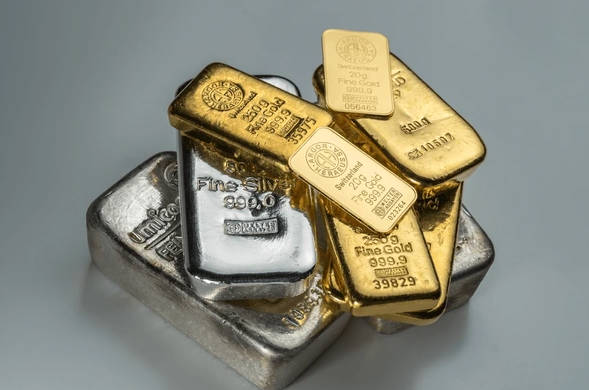
A prime example of representative money is the gold standard, where paper money could be exchanged for gold. This system worked well for a time but became impractical as the global economy grew, leading to the abandonment of the gold standard in favor of fiat money.
Example of Representative Money:
- Gold and Silver Certificates: In the U.S., these certificates were issued as paper claims to gold or silver, facilitating trade without needing to exchange the physical commodity.
Though it helped streamline transactions, representative money gave way to fiat money, as economies required a more flexible and scalable system of currency.
Fiat Money: The Birth of Modern Currency
Fiat money is the most common form of money today. Unlike commodity or representative money, fiat money has no intrinsic value. Its value comes from the trust people place in the government or central authority that issues it. Fiat money is declared legal tender by the government, meaning it must be accepted for transactions within a country.
Characteristics of Fiat Money:
- No Intrinsic Value: Fiat money has value because the government declares it legal tender, not because it’s backed by a physical commodity.
- Issued by Governments: Central banks are responsible for creating and regulating fiat money, making it the most widely accepted form of currency.
Fiat money is portable, divisible, and universally accepted, offering governments the ability to manage economic policy through monetary control. However, some economists argue that fiat money doesn’t always act as a reliable store of value due to inflation and government policy.
Electronic Money (E-money): The Digital Revolution
The advent of the internet and digital technology led to the rise of electronic money (e-money), which refers to money stored and transacted digitally.
Types of Electronic Money:
- Bank Transfers and Digital Payments: Services like PayPal, Venmo, and mobile banking apps enable seamless digital transfers of funds, making transactions more convenient and efficient.
- Cryptocurrencies: Digital currencies like Bitcoin and Ethereum are decentralized and based on blockchain technology, offering an alternative to traditional fiat money.
- Digital Wallets: Platforms like Apple Pay and Google Pay store money electronically, allowing for quick, secure transactions.
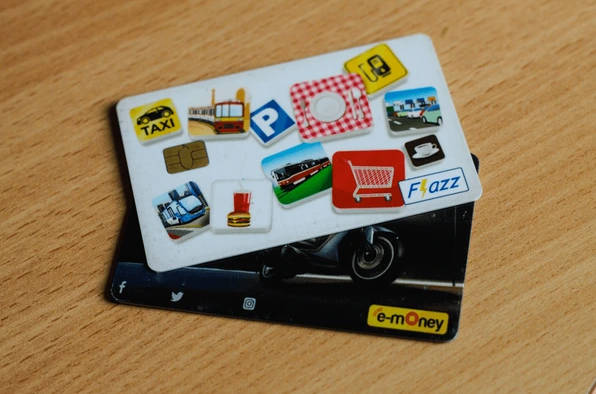
E-money has revolutionized how people transact, offering efficiency, convenience, and global accessibility. Cryptocurrencies and digital wallets are reshaping the financial landscape, providing new avenues for payment and investment.
Cryptocurrency: A New Frontier in Digital Money
Cryptocurrency represents a fundamental shift in how money is conceived. Unlike traditional fiat currencies, cryptocurrencies are decentralized, meaning they are not controlled by any central authority or government. Instead, they rely on blockchain technology to secure transactions.
Popular Cryptocurrencies:
- Bitcoin: The first and most widely recognized cryptocurrency, often considered “digital gold” due to its fixed supply and increasing adoption as a store of value.
- Ethereum: Known for its smart contract capabilities, Ethereum allows the creation of decentralized applications (dApps), contributing to the rise of decentralized finance (DeFi).
- Ripple (XRP): Designed for fast, low-cost international payments, Ripple helps solve the inefficiencies of traditional cross-border payment systems.

While cryptocurrencies offer numerous benefits such as decentralization and security, they remain volatile and face regulatory challenges. They represent a new frontier in digital money, but widespread adoption is still in progress.
The Future of Money: CBDCs and Stablecoins
Central Bank Digital Currencies (CBDCs) and stablecoins represent the next major step in the evolution of money, combining the benefits of traditional fiat currencies with the advantages of digital technologies.
Why CBDCs Matter:
- Government-Backed Stability: CBDCs offer the stability of fiat money with the added efficiency and security of digital transactions.
- Faster and Cheaper Transactions: By leveraging blockchain or similar technology, CBDCs can reduce transaction costs and increase payment speed.
- Enhanced Monetary Control: Central banks can use CBDCs to directly manage the money supply, providing greater control over inflation and economic stability.
Several countries, including China and the European Union, are already testing or developing CBDCs. These digital currencies could become a central part of the global financial system, reshaping payments, economic policy, and the future of money.
Examples of Stablecoins:
- Tether (USDT): Pegged 1:1 to the US dollar, offering stability for digital transactions.
- USD Coin (USDC): Fully backed by the US dollar, ensuring transparency and security.
- Dai (DAI): A decentralized stablecoin operating on the Ethereum blockchain, providing a trustless way to store value.
Stablecoins are becoming increasingly popular in cross-border payments, remittances, and decentralized finance (DeFi) applications. They serve as a bridge between traditional and digital finance.
Conclusion
Money has evolved to meet the changing needs of societies and economies. From commodity money in ancient times to fiat and cryptocurrencies today, money continues to adapt to global demands. The introduction of CBDCs and stablecoins could further transform the financial landscape, offering faster, more efficient, and secure ways to transact.
Understanding the different types of money and how they function in today’s world is essential for navigating the future of finance. Whether you’re a trader, investor, or everyday consumer, staying informed about the evolution of money will help you make smarter financial decisions.
Disclaimer: This content is provided for informational purposes only and does not constitute, and should not be construed as, financial, investment, or other professional advice. No statement or opinion contained here in should be considered a recommendation by Ultima Markets or the author regarding any specific investment product, strategy, or transaction. Readers are advised not to rely solely on this material when making investment decisions and should seek independent advice where appropriate.
Latest Articles

FOLLOW US






Ultima Markets is a member of The Financial Commission, an international independent body responsible for resolving disputes in the Forex and CFD markets.

All clients of Ultima Markets are protected under insurance coverage provided by Willis Towers Watson (WTW), a global insurance brokerage established in 1828, with claims eligibility up to US$1,000,000 per account.

Ultima Markets is the first United CFD broker to be part of the United Nations Global Compact.
FOLLOW US
TRADE WITH US
RISK DISCLOSURE
Risk Warning:
Trading leveraged financial products, including Contracts for Difference (CFDs), carries a high level of risk and may result in losses exceeding your initial investment. These products are not suitable for all investors and should only be traded with funds you can afford to lose. You do not own or have any rights to the underlying assets of these derivatives (e.g., entitlement to dividends). Please ensure you fully understand the associated risks. Before trading, consider your level of experience, investment objectives, and seek independent financial advice if necessary. Refer to our legal documents and disclosures before making any trading decisions.
General Advice Warning:
The information provided on this website is general in nature and does not take into account your personal objectives, financial situation, or needs. Before acting on any advice, you should assess its appropriateness in light of your individual circumstances and consult our legal documentation.
Regional Restrictions:
The information and services on this website are not intended for residents of certain jurisdictions, including but not limited to the United States, United Kingdom, Singapore, and any jurisdictions subject to international sanctions. For further information, please contact our customer support team.
Regulatory Information:
Ultima Markets is a trading name shared amongst multiple entities operating in various jurisdictions. These following entities are authorised to operate under the Ultima Markets brand and trademarks.
-
Ultima Markets UK Limited, reference number 470325, is authorised and regulated by the Financial Conduct Authority (FCA). Registered address: 1 Blossom Yard, Fourth Floor, London, E1 6RS, UNITED KINGDOM.
-
Ultima Markets Ltd is authorised and regulated by the Financial Services Commission (FSC) of Mauritius as a Full-Service Investment Dealer (excluding Underwriting), under licence number GB 23201593.
Registered address: 2nd Floor, The Catalyst, 40 Silicon Avenue, Ebene Cybercity, 72201, Mauritius.

Copyright © 2025 Ultima Markets Ltd. All rights reserved.
-

Messenger


Continue on Messenger
Take the conversation to your Messenger account. You can return anytime.
Scan the QR code and then send the message that appears in your Messenger.
Open Messenger on this device.
-

Instagram

Continue on Instagram
Take the conversation to your Instagram account. You can return anytime.
Scan the QR code to open Instagram. Follow @ultima_markets to send a DM.
Open Instagram on this device.
-

Live Chat
-

