Important Information
This website is managed by Ultima Markets’ international entities, and it’s important to emphasise that they are not subject to regulation by the FCA in the UK. Therefore, you must understand that you will not have the FCA’s protection when investing through this website – for example:
- You will not be guaranteed Negative Balance Protection
- You will not be protected by FCA’s leverage restrictions
- You will not have the right to settle disputes via the Financial Ombudsman Service (FOS)
- You will not be protected by Financial Services Compensation Scheme (FSCS)
- Any monies deposited will not be afforded the protection required under the FCA Client Assets Sourcebook. The level of protection for your funds will be determined by the regulations of the relevant local regulator.
Note: UK clients are kindly invited to visit https://www.ultima-markets.co.uk/. Ultima Markets UK expects to begin onboarding UK clients in accordance with FCA regulatory requirements in 2026.
If you would like to proceed and visit this website, you acknowledge and confirm the following:
- 1.The website is owned by Ultima Markets’ international entities and not by Ultima Markets UK Ltd, which is regulated by the FCA.
- 2.Ultima Markets Limited, or any of the Ultima Markets international entities, are neither based in the UK nor licensed by the FCA.
- 3.You are accessing the website at your own initiative and have not been solicited by Ultima Markets Limited in any way.
- 4.Investing through this website does not grant you the protections provided by the FCA.
- 5.Should you choose to invest through this website or with any of the international Ultima Markets entities, you will be subject to the rules and regulations of the relevant international regulatory authorities, not the FCA.
Ultima Markets wants to make it clear that we are duly licensed and authorised to offer the services and financial derivative products listed on our website. Individuals accessing this website and registering a trading account do so entirely of their own volition and without prior solicitation.
By confirming your decision to proceed with entering the website, you hereby affirm that this decision was solely initiated by you, and no solicitation has been made by any Ultima Markets entity.
I confirm my intention to proceed and enter this website Please direct me to the website operated by Ultima Markets , regulated by the FCA in the United Kingdom
Ultima Markets App
Trade Anytime, Anywhere





Apple Competitors: Who Rivals Apple
Apple is one of the rare tech companies that competes across multiple markets at once: smartphones, tablets, PCs, wearables, accessories, and a growing stack of subscription services. That’s why the term apple competitors is not a single list. Apple’s rivals change depending on whether you are talking about iPhone, Mac, iPad, Apple Watch, AirPods, or Apple’s services ecosystem.
The clearest way to understand Apple’s competitive landscape is by category, starting with the product that anchors Apple’s ecosystem: the iPhone.
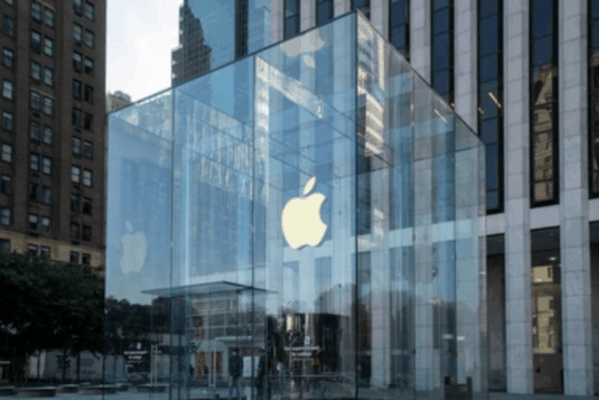
What Counts as an Apple Competitor?
Apple competitors typically fall into three groups:
- Hardware competitors that compete device-to-device (phones, tablets, laptops, wearables, earbuds).
- Platform competitors that compete for operating system influence, developers, and app distribution.
- Service competitors that compete subscription-to-subscription (streaming, music, cloud storage, payments).
In 2026, competition is also shaped by two external forces that increasingly impact every category: supply chain pricing and regulatory changes.
Samsung Is the Closest Overall Apple Competitor
If one company competes with Apple across the most categories, it is Samsung.
- In smartphones, Samsung competes at the premium tier while also covering every price segment.
- In tablets, Samsung is the most consistent Android alternative to iPad.
- In wearables, Galaxy Watch and Galaxy Buds compete directly with Apple Watch and AirPods.
- In supply chain dynamics, Samsung’s role in components and manufacturing ecosystems can influence pricing and availability.
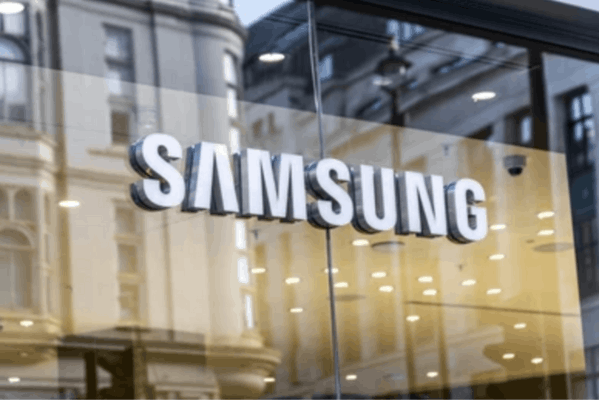
This breadth is why Samsung is often considered Apple’s closest overall rival, even though Apple faces other serious competitors depending on region and product line.
Apple Competitors by Category
A clear view of apple competitors depends on which part of Apple’s business you are analysing:
| Category | Potential Competitors |
| iPhone competitors | Samsung (closest premium rival), Google (platform and Pixel), and high-volume Android brands like Xiaomi and Transsion |
| China competitors | Huawei and major domestic brands, with rapid shifts by product cycle and pricing |
| Mac competitors | Lenovo, HP, Dell, and Microsoft’s Windows ecosystem, with AI PCs reshaping positioning |
| iPad competitors | Samsung, Huawei, Lenovo, Xiaomi |
| Wearables competitors | Samsung, Huawei, Xiaomi, plus aggressive value brands in earwear |
| Services competitors | Netflix (streaming), Spotify (music), Google (platform), alongside regulatory-driven openings in the EU |
Apple Competitors in Smartphones: iPhone vs Samsung, Google, Xiaomi, and More
Samsung: Apple’s Closest iPhone Rival
The Apple–Samsung rivalry remains the defining global smartphone battle, especially in the premium segment.
Recent shipment data shows how tight the competition can be. In Q3 2025, IDC estimates Samsung shipped 61.4 million units (18.8%) and Apple shipped 59.4 million units (18.2%), with a total market of 325.7 million units.
Apple also led full-year global shipments in 2025 with around 20% share, narrowly ahead of Samsung at around 19%, according to Counterpoint data cited by Reuters.
Google: Platform Rival and Hardware Challenger
Google is a key Apple competitor through two channels:
- Android, as the primary alternative mobile platform
- Pixel, as Google’s flagship hardware line competing with iPhone in the premium tier
Even when Pixel does not lead in unit volume, Google shapes the broader competitive environment through software defaults, cloud services, app distribution, and the pace of mobile feature adoption.
Xiaomi, Transsion, and vivo: The Scale and Value Pressure
Beyond premium devices, Apple competes indirectly with brands that define global pricing expectations and dominate many emerging markets:
- Xiaomi was estimated at 43.4 million units (13.3%) in Q3 2025
- Transsion at 29.2 million units (9.0%)
- vivo at 27.9 million units (8.6%)
Even if these brands do not win Apple’s premium-margin segment, they influence consumer expectations on cameras, battery, charging, and specs-per-dollar, which affects the entire market’s competitive baseline.
Apple Competitors in China: Huawei and Domestic Rivals
China remains Apple’s most strategically intense battleground outside the United States. Local brands compete with deep distribution, aggressive pricing, fast iteration, and strong brand loyalty.
Recent reporting highlights how quickly Apple’s position can shift by product cycle. The Financial Times reported a notable Apple rebound tied to iPhone momentum, including strong demand signals around a high-visibility colour variant, alongside a sharp improvement in China revenue.
Market estimates also show Apple can lead in specific quarters. Omdia reported Apple led mainland China in Q4 2025 with 16.5 million units and 22% share.
The practical takeaway is that China is not a simple “Apple wins” or “Apple loses” story. Competitive positioning can change rapidly depending on launches, pricing, subsidies, and domestic brand momentum.
Apple Competitors in PCs: Mac vs Lenovo, HP, Dell, and Microsoft’s Windows Ecosystem
Mac competes against a broad Windows universe spanning every price tier and enterprise procurement standard.
Gartner’s full-year 2025 PC shipment estimates show Apple shipped 24.826 million units, representing 9.2% share, while Lenovo, HP, and Dell led the market by volume.
Gartner also linked the market’s recent strength to a Windows refresh cycle and inventory moves ahead of memory-related pricing concerns, which affects how aggressively PC brands can price and promote devices.
The 2026 Competitive Theme: AI PCs
Across the PC industry, AI-enabled device positioning is becoming a major differentiator. Gartner has forecast AI PCs becoming a large share of the PC market by 2026, reshaping how Apple competes on performance, battery efficiency, and on-device capabilities.
Apple Competitors in Tablets: iPad vs Samsung, Huawei, Lenovo, and Xiaomi
iPad remains one of Apple’s strongest category positions, but competition is active, especially as tablets move beyond casual consumption into gaming, productivity, and multi-device workflows.
Omdia’s Q2 2025 tablet shipment data estimates:
- Apple: 14.1 million
- Samsung: 6.7 million
- Huawei: 3.2 million
- Lenovo: 3.1 million
- Xiaomi: 3.0 million
Android competitors often attack iPad through pricing, regional distribution, and niche positioning (such as gaming-first hardware), while Apple competes on performance, app ecosystem depth, and cross-device integration.
Apple Competitors in Wearables and Accessories: Apple Watch and AirPods vs Xiaomi, Huawei, and Samsung
Wearables are a key battleground because they strengthen ecosystem loyalty. The competition is also broader than many readers expect, because wearables include smartwatches and a very large earwear segment.
IDC reported global wearables shipments of 136.5 million units in Q2 2025, up 9.6% year-on-year, with earwearcomprising a large share of total shipments.
At scale, Apple’s key competitors in wearables often include:
- Samsung in premium smartwatch and earwear alternatives
- Huawei and Xiaomi in volume-driven segments across multiple regions
- Value-focused brands that compete aggressively on pricing, especially in earbuds
Apple Competitors in Services: Streaming, Music, Platforms, and Regulation
Apple’s services compete with category leaders rather than a single unified rival.
Streaming: Apple TV+ vs Netflix and Others
Netflix remains the scale leader in subscription streaming. Netflix reported it surpassed 325 million paid memberships and generated $45.2 billion revenue in 2025 in its Q4 2025 shareholder letter.
Apple TV+ competes through originals, bundling, and ecosystem convenience, but it also faces pricing sensitivity. Reuters reported Apple raised Apple TV+ pricing to $12.99 for new US subscribers in 2025.
Music: Apple Music vs Spotify
Spotify is Apple Music’s most commonly referenced direct rival in global music streaming. Spotify’s investor materials regularly report large-scale user and subscriber figures across its markets.
App Distribution and Platform Competition: Apple vs Google, Plus EU DMA Impact
At the platform level, Apple competes with Android and Google Play for developer attention and consumer defaults. In Europe, competition is also shaped by DMA-driven changes affecting app distribution and payment options. Apple’s developer guidance outlines EU-specific adjustments tied to DMA compliance.
Regulatory decisions can also be service-specific. In February 2026, the European Commission stated Apple Ads and Apple Maps should not be designated under the DMA as gatekeeper services.
The 2026 Competitive Wild Card: Memory Pricing and Supply Constraints

A major 2026 storyline is memory pricing and availability, which can influence device pricing, specs, and shipment plans across phones and PCs.
Reuters reported TrendForce expectations that conventional DRAM contract prices could surge sharply in early 2026, driven by AI-related demand pressures.
Reuters also reported that Apple acknowledged rising memory costs, with the market watching whether Apple adjusts pricing or absorbs costs compared with smaller rivals. IDC’s analysis suggests supply dynamics may remain tight as manufacturers prioritise AI-focused memory, limiting growth in conventional supply.
In 2026, Apple’s competitive landscape is still defined by ecosystem strength, but it is increasingly influenced by supply chain costs and regulatory rules that can reshape how competition plays out across devices and services.
FAQs
Samsung is widely seen as Apple’s biggest competitor overall because it rivals Apple across smartphones, tablets, wearables, and a broader device ecosystem.
Apple’s main competitors in China are Huawei, Xiaomi, vivo, and OPPO, with competition often shifting quickly based on product cycles and pricing.
In streaming, Apple TV+ competes most directly with Netflix and Amazon Prime Video. In music, Apple Music competes most directly with Spotify.
Disclaimer: This content is provided for informational purposes only and does not constitute, and should not be construed as, financial, investment, or other professional advice. No statement or opinion contained here in should be considered a recommendation by Ultima Markets or the author regarding any specific investment product, strategy, or transaction. Readers are advised not to rely solely on this material when making investment decisions and should seek independent advice where appropriate.
Latest Articles



FOLLOW US






Ultima Markets is a member of The Financial Commission, an international independent body responsible for resolving disputes in the Forex and CFD markets.

All clients of Ultima Markets are protected under insurance coverage provided by Willis Towers Watson (WTW), a global insurance brokerage established in 1828, with claims eligibility up to US$1,000,000 per account.

Ultima Markets is the first United CFD broker to be part of the United Nations Global Compact.
FOLLOW US
TRADE WITH US
RISK DISCLOSURE
Risk Warning:
Trading leveraged financial products, including Contracts for Difference (CFDs), carries a high level of risk and may result in losses exceeding your initial investment. These products are not suitable for all investors and should only be traded with funds you can afford to lose. You do not own or have any rights to the underlying assets of these derivatives (e.g., entitlement to dividends). Please ensure you fully understand the associated risks. Before trading, consider your level of experience, investment objectives, and seek independent financial advice if necessary. Refer to our legal documents and disclosures before making any trading decisions.
General Advice Warning:
The information provided on this website is general in nature and does not take into account your personal objectives, financial situation, or needs. Before acting on any advice, you should assess its appropriateness in light of your individual circumstances and consult our legal documentation.
Regional Restrictions:
The information and services on this website are not intended for residents of certain jurisdictions, including but not limited to the United States, United Kingdom, Singapore, and any jurisdictions subject to international sanctions. For further information, please contact our customer support team.
Regulatory Information:
Ultima Markets is a trading name shared amongst multiple entities operating in various jurisdictions. These following entities are authorised to operate under the Ultima Markets brand and trademarks.
-
Ultima Markets UK Limited, reference number 470325, is authorised and regulated by the Financial Conduct Authority (FCA). Registered address: 1 Blossom Yard, Fourth Floor, London, E1 6RS, UNITED KINGDOM.
-
Ultima Markets Ltd is authorised and regulated by the Financial Services Commission (FSC) of Mauritius as a Full-Service Investment Dealer (excluding Underwriting), under licence number GB 23201593.
Registered address: 2nd Floor, The Catalyst, 40 Silicon Avenue, Ebene Cybercity, 72201, Mauritius.
-
Ultima Markets EU OÜ, incorporated in Estonia with registry code 17134727. Registered address: Harju maakond, Tallinn, Kristiine linnaosa, Seebi tn 1-1501, 11316. This entity does not offer regulated financial products or provide trading services.

Copyright © 2026 Ultima Markets Ltd. All rights reserved.
-

Messenger


Continue on Messenger
Take the conversation to your Messenger account. You can return anytime.
Scan the QR code and then send the message that appears in your Messenger.
Open Messenger on this device.
-

Instagram

Continue on Instagram
Take the conversation to your Instagram account. You can return anytime.
Scan the QR code to open Instagram. Follow @ultima_markets to send a DM.
Open Instagram on this device.
-

Live Chat
-

