This website is managed by Ultima Markets’ international entities, and it’s important to emphasise that they are not subject to regulation by the FCA in the UK. Therefore, you must understand that you will not have the FCA’s protection when investing through this website – for example:
You will not be guaranteed Negative Balance Protection
You will not be protected by FCA’s leverage restrictions
You will not have the right to settle disputes via the Financial Ombudsman Service (FOS)
You will not be protected by Financial Services Compensation Scheme (FSCS)
Any monies deposited will not be afforded the protection required under the FCA Client Assets Sourcebook. The level of protection for your funds will be determined by the regulations of the relevant local regulator.
Note: UK clients are kindly invited to visit https://www.ultima-markets.co.uk/. Ultima Markets UK expects to begin onboarding UK clients in accordance with FCA regulatory requirements in 2026.
If you would like to proceed and visit this website, you acknowledge and confirm the following:
1.The website is owned by Ultima Markets’ international entities and not by Ultima Markets UK Ltd, which is regulated by the FCA.
2.Ultima Markets Limited, or any of the Ultima Markets international entities, are neither based in the UK nor licensed by the FCA.
3.You are accessing the website at your own initiative and have not been solicited by Ultima Markets Limited in any way.
4.Investing through this website does not grant you the protections provided by the FCA.
5.Should you choose to invest through this website or with any of the international Ultima Markets entities, you will be subject to the rules and regulations of the relevant international regulatory authorities, not the FCA.
Ultima Markets wants to make it clear that we are duly licensed and authorised to offer the services and financial derivative products listed on our website. Individuals accessing this website and registering a trading account do so entirely of their own volition and without prior solicitation.
By confirming your decision to proceed with entering the website, you hereby affirm that this decision was solely initiated by you, and no solicitation has been made by any Ultima Markets entity.
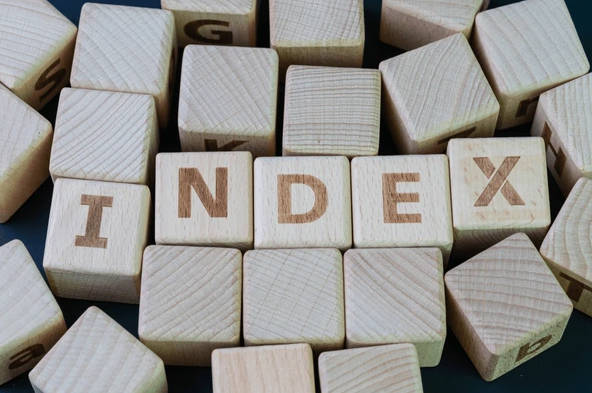
Index trading is a way to speculate on or hedge an entire market by trading products linked to an index instead of individual stocks. Learn how it works.
A Simple Guide to Master Index Trading
Index trading lets you express a view on an entire market with one position. Instead of picking single stocks, you trade products that mirror a stock index such as the S&P 500, FTSE 100, DAX, or Nikkei 225. This gives you broad exposure, a cleaner way to manage risk, and a practical hedge for a share portfolio.
What Is Index Trading
Index trading means going long or short on instruments that track an index rather than buying individual shares. Because an index measures the performance of a group of companies, it acts like a quick read on market health. Different indices follow different baskets by country, region, or industry, so the exposure you get depends on how that basket is built.
How Indices Are Calculated And Why It Matters
Understanding index construction helps you predict what moves the basket.
Market Capitalisation Weighted Each company’s weight reflects its total market value. Larger companies move the index more than smaller ones. Examples include the S&P 500, FTSE 100, and Nasdaq. Trading takeaway: if a few very large constituents rally or miss earnings, the whole index can swing.
Price Weighted Each company’s influence is based on its share price rather than its market value. Examples include the Dow Jones Industrial Average and the Nikkei 225. Trading takeaway: a high priced stock can drive index moves even if its market value is not the largest.
You will also encounter large cap, mid cap, and small cap labels. These are size buckets that often map to risk and volatility. Large caps tend to be steadier while small caps can move faster.
Popular Indices And What They Represent
Knowing what sits inside each index helps you connect trades to real economies and sectors.
S&P 500 The broad United States benchmark tracking the largest listed companies on the NYSE and Nasdaq. Often used as the default read on the United States stock market.
Dow Jones Industrial Average Thirty United States blue chips in a price weighted index. Includes names like Apple, Intel, Exxon Mobil, and Goldman Sachs.
FTSE 100 The largest companies on the London Stock Exchange by market value. Sector flavour often includes energy, mining, and financial services, with names such as Shell, BP, HSBC, Vodafone, and BT.
DAX 40 Germany’s largest listed companies on the Frankfurt Stock Exchange. Heavier tilts toward automotive, chemicals, healthcare, and financials with components like Allianz, BMW, Bayer, and Siemens.
Euro Stoxx 50 Eurozone large caps with a cap on single stock weights to reduce concentration risk.
Nikkei 225 Japan’s main price weighted index following 225 companies on the Tokyo Stock Exchange.
Ways To Access Index Trading
Different instruments reach the same destination but with different costs and controls. Pick the route that matches your timeline, account size, and risk rules.
Instrument
What You Get
Key Costs
Best For
Futures
Exchange traded exposure with deep liquidity and near round the clock access on major contracts
Exchange fees, spread, margin, slippage
Active traders and hedgers
CFDs
Flexible sizing on cash or futures pricing through a broker
Spread, overnight financing, any commission
Short term views and smaller accounts
ETFs
Cash equities access to index baskets
Brokerage and total expense ratio
Investors and swing traders
Options
Defined risk structures on indices or ETFs
Option premium, bid ask, assignment
Hedging, income, and volatility views
What Moves Index Prices
Plan your entries and exits around these common drivers.
Macro Data Inflation, employment, PMIs, and GDP reshape interest rate expectations and risk appetite.
Central Bank Policy Rate decisions and guidance influence discount rates and sector leadership.
Earnings Seasons Heavyweights can swing cap weighted indices. One large constituent can lift or pull the whole basket.
Sector Rotation Leadership changes between technology, energy, financials, and defensives alter the tone of the index.
Currency And Geopolitics For multinational heavy indices such as the FTSE 100, currency moves can affect translated revenues and sentiment.
Practical Strategies For Index Trading
Keep the playbook simple and repeatable. Then adjust risk to match volatility and session liquidity.
Trend Following Trade higher highs and higher lows on the daily chart. Use moving averages for confirmation and trail stops to protect gains.
Mean Reversion Fade stretched moves back toward a well watched average or the prior day range once momentum cools.
Breakout And Session Range Mark the European and United States cash opens. Trade clean breaks of those ranges with stops tucked just inside the broken level.
Event Driven Pre plan for CPI, jobs data, or central bank decisions. If you lack an edge, stand aside. If you trade, use smaller size and strict rules.
Risk Management Essentials
A short checklist keeps index trading disciplined.
Fix risk per trade such as zero point five to one percent of equity
Place stops where your idea is invalidated by price action
Map targets to nearby structure or a clear reward to risk rule
Track slippage and spread during volatile periods
Avoid stacking multiple correlated index positions at the same time
Simple sizing example If a futures contract has a tick value of 12.50 and price moves ten ticks against you, the loss is 125 per contract. Check this against your maximum loss before you click buy or sell.
Costs That Add Up
Small frictions compound over time, so measure them.
Bid ask spread and any commission
Overnight financing for leveraged cash products and CFDs
ETF expense ratios for longer holds
Exchange and clearing fees for futures
Currency conversion if your account base differs from the index currency
Reading An Index At A Glance
Before placing a trade, scan three items to understand what you are really trading.
Methodology Market cap weighted or price weighted changes which companies move the basket.
Concentration And Sector Mix Check the top holdings and sector weights. An index heavy in technology or energy will react differently to the same headline.
Volatility Regime When implied or realised volatility rises, reduce size and widen stops to stay within your risk limits.
Conclusion
Index trading is a practical way to trade the market as a whole with one well planned position. Understand how each index is constructed, choose the instrument that fits your goals, plan around catalysts, and keep risk tight. The result is broad exposure, cleaner decisions, and a process you can repeat.
Share Now
Disclaimer:This content is provided for informational purposes only and does not constitute, and should not be construed as, financial, investment, or other professional advice. No statement or opinion contained herein should be considered a recommendation by Ultima Markets or the author regarding any specific investment product, strategy, or transaction. Readers are advised not to rely solely on this material when making investment decisions and should seek independent advice where appropriate.
Thank you for visiting the Ultima Markets website. Please note that this website is intended for individuals residing in jurisdictions where access is permitted by law. Ultima and its affiliated entities do not operate in your home jurisdiction.
By clicking ‘Acknowledge’, you confirm that you are entering this website solely on your own initiative and not as a result of any specific marketing outreach. You wish to obtain information from this website based on reverse solicitation principles, in accordance with the applicable laws of your home jurisdiction.