This website is managed by Ultima Markets’ international entities, and it’s important to emphasise that they are not subject to regulation by the FCA in the UK. Therefore, you must understand that you will not have the FCA’s protection when investing through this website – for example:
You will not be guaranteed Negative Balance Protection
You will not be protected by FCA’s leverage restrictions
You will not have the right to settle disputes via the Financial Ombudsman Service (FOS)
You will not be protected by Financial Services Compensation Scheme (FSCS)
Any monies deposited will not be afforded the protection required under the FCA Client Assets Sourcebook. The level of protection for your funds will be determined by the regulations of the relevant local regulator.
Note: UK clients are kindly invited to visit https://www.ultima-markets.co.uk/. Ultima Markets UK expects to begin onboarding UK clients in accordance with FCA regulatory requirements in 2026.
If you would like to proceed and visit this website, you acknowledge and confirm the following:
1.The website is owned by Ultima Markets’ international entities and not by Ultima Markets UK Ltd, which is regulated by the FCA.
2.Ultima Markets Limited, or any of the Ultima Markets international entities, are neither based in the UK nor licensed by the FCA.
3.You are accessing the website at your own initiative and have not been solicited by Ultima Markets Limited in any way.
4.Investing through this website does not grant you the protections provided by the FCA.
5.Should you choose to invest through this website or with any of the international Ultima Markets entities, you will be subject to the rules and regulations of the relevant international regulatory authorities, not the FCA.
Ultima Markets wants to make it clear that we are duly licensed and authorised to offer the services and financial derivative products listed on our website. Individuals accessing this website and registering a trading account do so entirely of their own volition and without prior solicitation.
By confirming your decision to proceed with entering the website, you hereby affirm that this decision was solely initiated by you, and no solicitation has been made by any Ultima Markets entity.
Discover the best low risk investments in 2026, from Treasury ETFs to gold above $5,000. Explore the options of low-risk stocks and see which one fits you.
The Best Low Risk Investments in 2026
If you are searching for the best low risk investments right now, the timing could not be more relevant. In Q1 2026, a combination of a Federal Reserve rate pause, escalating geopolitical tensions, and persistent inflation has pushed investors firmly towards capital preservation strategies.
The encouraging reality is that today’s rate environment still rewards defensive positioning, with a wide range of low risk investment options available across bonds, funds, commodities, and low risk stocks, many of them offering yields between 3.5% and 4%-plus.
Whether you are building a conservative portfolio from scratch or looking to rebalance away from volatile growth assets, there are more quality choices available than many investors realise.
2026 Has Strengthened the Case for Low-Risk Investing
The broader investment landscape has shifted noticeably over the past 12 months. From 2020 through 2024, equity markets rewarded almost any risk taken, with more than 90% of S&P 500 companies posting positive annualised returns.
That environment changed as 2025 wound down, with around 40% of the S&P 500 heading for a negative year and signalling a clear pivot towards a more selective investor’s market.
On the monetary policy side, the Federal Reserve held its benchmark rate steady at 3.50 to 3.75% in its first meeting of 2026, following three consecutive cuts in late 2025. With inflation holding at approximately 4% against a 2% target, policymakers have adopted a wait-and-see approach.
For risk-averse investors, this environment creates a genuine window of opportunity to lock in competitive yields before further cuts arrive and to reassess which low risk investment options align best with their financial goals.
Top Low Risk Investment Options to Consider in 2026
High-Yield Savings Accounts and Money Market Funds
For investors who prioritise liquidity above all else, high-yield savings accounts and money market funds are a logical first port of call. The national average savings account in the US pays just 0.43% APY as of February 2026, which makes high-yield alternatives considerably more compelling by comparison.
Money market funds take this a step further. The Vanguard Federal Money Market Fund (VMFXX) currently offers a 3.6% seven-day SEC yield, with 99.5% of assets held in cash, US government securities, or repurchase agreements. These funds aim to maintain a stable net asset value of $1 while generating income tied to prevailing interest rates. One important distinction worth noting: unlike savings accounts, money market funds are not FDIC-insured, so understanding that difference matters when selecting the right vehicle for your needs.
Treasury Bills and Short-Term Bond ETFs
US Treasury-backed instruments remain the gold standard for safety across virtually every market cycle. Treasury bills are backed by the full faith and credit of the US government, offer competitive returns relative to their risk profile, and carry the added benefit of being exempt from state and local income taxes.
For investors who prefer listed market access, short-term bond ETFs are an efficient alternative. The Vanguard Short-Term Bond ETF (BSV) holds more than 3,000 bonds, carries a modest expense ratio of 0.03%, and delivers a 3.69% 30-day SEC yield as of March 2026.
For a more conservative approach, the Schwab Short-Term US Treasury ETF (SCHO) limits exposure strictly to US Treasuries with a 3.5% SEC yield. Both sit comfortably among the best low risk investment options available on the listed market today.
Certificates of Deposit
Certificates of deposit offer a straightforward proposition: commit your funds for a fixed term and receive a guaranteed rate of return. Almost all CDs are FDIC-insured, which adds a further layer of security that appeals to cautious investors.
The timing argument for CDs is particularly compelling right now. There is broad consensus among economists that the Fed will reduce interest rates by a further 25 to 50 basis points at some point in 2026, meaning the rates available today may not be on offer six months from now.
Locking In Before the Next Rate Cut
Investors who act earlier in the rate cycle stand to lock in fixed returns that could outperform alternatives once cuts resume. For those who will not need immediate access to their capital, CDs remain one of the most reliable low risk investment options in the current environment.
Series I Bonds and TIPS
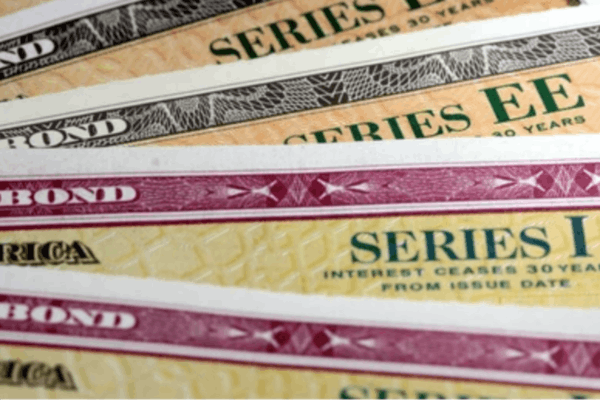
For investors whose primary concern is preserving purchasing power rather than chasing yield, inflation-linked instruments deserve serious consideration. Series I Bonds are issued directly by the US government, carry no interest rate risk, and are exempt from state and municipal taxes. They adjust their returns in line with inflation, making them particularly effective when price pressures remain elevated.
Protecting Against Inflation
For those seeking listed exposure, the Schwab US TIPS ETF tracks inflation-protected Treasury securities and carried an approximate yield of 4% in early 2026. With core inflation remaining sticky at around 3%, TIPS offer a relevant and data-backed hedge for investors who want their returns to keep pace with the real cost of living.
Investment-Grade Corporate Bonds
Once an investor has established a base in government-backed instruments, investment-grade corporate bonds offer a natural next step. These bonds carry slightly more risk than Treasuries but remain conservative by most standards, and they provide a meaningful yield improvement that can enhance overall portfolio income.
A Modest Step Up in Yield
The First Trust Limited Duration Investment Grade Corporate ETF (FSIG) is a strong example, offering a 4.05% 30-day SEC yield while maintaining a short three-year duration. The limited duration is significant because it reduces sensitivity to interest rate movements, an important feature in a year where rate decisions remain uncertain.
For retirees or investors in the income-distribution phase of their portfolios, corporate bond funds of this type can serve as a reliable source of regular cash flow.
Low Risk Stocks and Dividend ETFs
For investors willing to accept a degree of market exposure, low risk stocks and dividend-focused ETFs represent one of the most effective ways to generate equity income without taking on unnecessary volatility.
The key is selectivity. Defensive sectors such as consumer staples, utilities, and healthcare have historically outperformed during uncertain macro periods, precisely because their revenue streams are less sensitive to economic cycles.
Equity Income Without the Volatility
The Vanguard High Dividend Yield ETF is a practical entry point, carrying a 2.3% annual yield and investing across more than 500 stocks, including Broadcom, JPMorgan Chase, and ExxonMobil.
For a higher income focus, the Vanguard Real Estate ETF (VNQ) pays a dividend yield of approximately 4% as of March 2026, with REITs legally required to distribute at least 90% of their taxable income to shareholders. Over a longer horizon, quality REIT funds have the potential to deliver total returns of 10% to 12% annually, with a meaningful portion arriving as regular cash dividends.
Among low risk stocks and income-generating funds, this combination of current yield and long-term growth potential makes dividend ETFs one of the more compelling corners of the defensive investing universe.
Gold
No discussion of the best low risk investments in 2026 would be complete without addressing gold. After recording more than 50 all-time highs in 2025 and returning over 60% for the year, gold has continued its momentum into 2026.
The metal surged above $5,000 per ounce earlier this year, reaching an intraday peak of $5,595 on 29 January before pulling back to consolidate.
The Safe-Haven Asset Defining 2026
The drivers behind this rally are structural rather than speculative. JP Morgan forecasts gold prices to average $5,055 per ounce by Q4 2026, citing continued strong demand from both institutional investors and central banks averaging around 585 tonnes per quarter.
Rising geopolitical tensions across multiple regions, combined with ongoing US tariff uncertainty and a growing trend of de-dollarisation among emerging market central banks, have reinforced gold’s role as a hedge against systemic financial risk.
For investors looking to diversify their low risk investment options beyond fixed income, gold ETFs provide cost-efficient listed exposure without the logistical requirements of holding physical bullion.
Conclusion
The best low risk investments in 2026 are defined by both safety and strategic timing. With the Fed pausing rates at 3.50 to 3.75%, short-term bond ETFs, CDs, and money market funds are offering some of the most attractive yields seen in years, though that window may narrow as further cuts arrive.
At the same time, gold’s structural bull run, REIT income streams, low risk stocks in defensive sectors, and inflation-protected securities give risk-averse investors a genuinely robust toolkit.
With the right mix of instruments, investors in 2026 can protect their capital, beat inflation, and still generate meaningful returns. Platforms like Ultima Markets give traders the tools and real-time data needed to access these opportunities efficiently and make confident, well-informed decisions.
FAQs
What are the best low risk investments in 2026 for beginners?
High-yield savings accounts and money market funds are ideal starting points. The Vanguard VMFXX currently yields 3.6% with daily liquidity and near-zero risk.
What are the best low risk stocks to consider in 2026?
Consumer staples, utilities, and healthcare stocks hold up well during uncertainty. Dividend ETFs like Vanguard’s High Dividend Yield ETF offer broad exposure at a 2.3% yield.
Should I invest in CDs or Treasury bills as low risk investment options right now?
Treasury ETFs offer more liquidity at 3.5%, while CDs lock in today’s rates before the Fed cuts again. Your timeline determines which suits you best.
Share Now
Disclaimer:This content is provided for informational purposes only and does not constitute, and should not be construed as, financial, investment, or other professional advice. No statement or opinion contained herein should be considered a recommendation by Ultima Markets or the author regarding any specific investment product, strategy, or transaction. Readers are advised not to rely solely on this material when making investment decisions and should seek independent advice where appropriate.
Thank you for visiting the Ultima Markets website. Please note that this website is intended for individuals residing in jurisdictions where access is permitted by law. Ultima and its affiliated entities do not operate in your home jurisdiction.
By clicking ‘Acknowledge’, you confirm that you are entering this website solely on your own initiative and not as a result of any specific marketing outreach. You wish to obtain information from this website based on reverse solicitation principles, in accordance with the applicable laws of your home jurisdiction.