This website is managed by Ultima Markets’ international entities, and it’s important to emphasise that they are not subject to regulation by the FCA in the UK. Therefore, you must understand that you will not have the FCA’s protection when investing through this website – for example:
You will not be guaranteed Negative Balance Protection
You will not be protected by FCA’s leverage restrictions
You will not have the right to settle disputes via the Financial Ombudsman Service (FOS)
You will not be protected by Financial Services Compensation Scheme (FSCS)
Any monies deposited will not be afforded the protection required under the FCA Client Assets Sourcebook. The level of protection for your funds will be determined by the regulations of the relevant local regulator.
Note: UK clients are kindly invited to visit https://www.ultima-markets.co.uk/. Ultima Markets UK expects to begin onboarding UK clients in accordance with FCA regulatory requirements in 2026.
If you would like to proceed and visit this website, you acknowledge and confirm the following:
1.The website is owned by Ultima Markets’ international entities and not by Ultima Markets UK Ltd, which is regulated by the FCA.
2.Ultima Markets Limited, or any of the Ultima Markets international entities, are neither based in the UK nor licensed by the FCA.
3.You are accessing the website at your own initiative and have not been solicited by Ultima Markets Limited in any way.
4.Investing through this website does not grant you the protections provided by the FCA.
5.Should you choose to invest through this website or with any of the international Ultima Markets entities, you will be subject to the rules and regulations of the relevant international regulatory authorities, not the FCA.
Ultima Markets wants to make it clear that we are duly licensed and authorised to offer the services and financial derivative products listed on our website. Individuals accessing this website and registering a trading account do so entirely of their own volition and without prior solicitation.
By confirming your decision to proceed with entering the website, you hereby affirm that this decision was solely initiated by you, and no solicitation has been made by any Ultima Markets entity.
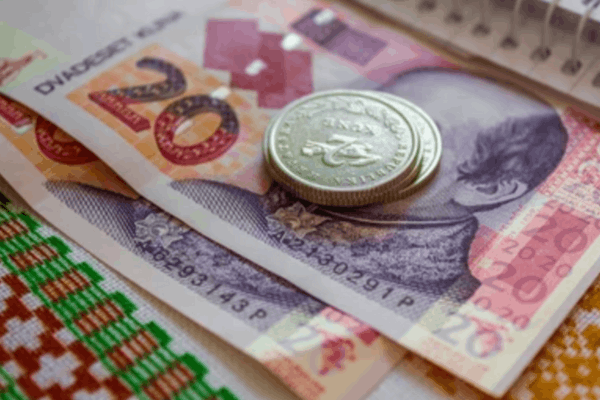
Croatia has transitioned from the kuna to the euro. Learn what is the currency of Croatia, how the change impacts residents, tourists, and businesses.
Currency of Croatia: From Kuno to Euro
Croatia, a stunning country located in Southeastern Europe, is known for its breathtaking coastline, rich history, and vibrant culture. But for those planning to visit or invest in Croatia, understanding its currency system is essential. So, what is the currency of Croatia, and how has it evolved?
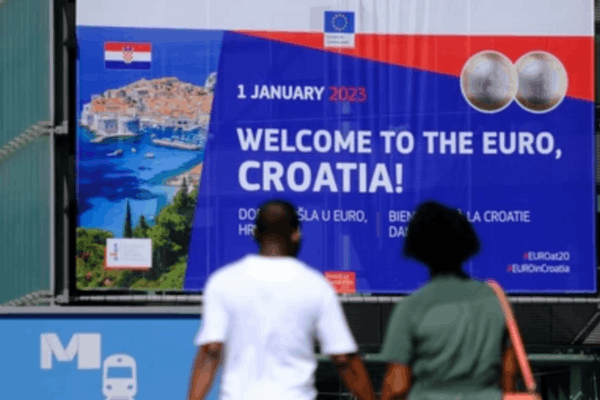
Until recently, Croatia used the Croatian kuna (HRK) as its official currency. However, as of January 1, 2023, Croatia transitioned to the euro (EUR), becoming the 20th country in the European Union (EU) to adopt the euro as its official currency.
This shift marks a significant step in Croatia’s economic integration with the EU and brings about a range of changes that affect both residents and visitors. In this article, we’ll explore the history of Croatia’s currency, the transition to the euro, and what it means for businesses and tourists alike.
The Currency of Croatia: The Croatian Kuna
Before the euro, the kuna was Croatia’s official currency for nearly three decades. The kuna was introduced in 1994 after Croatia declared independence from Yugoslavia.
The name “kuna” is derived from the word for the marten fur pelts that were historically used as a form of currency in medieval Croatia. The kuna was divided into 100 lipa, and its design featured notable Croatian landmarks and historical figures.
For years, the kuna played an important role in the country’s economic stability and identity, becoming a symbol of Croatia’s independence after the breakup of Yugoslavia. However, as Croatia grew economically and its ties with the EU deepened, the need for currency integration became apparent.
Why Did Croatia Switch to the Euro?
Croatia’s adoption of the euro was not an abrupt decision but part of a longer-term strategy aligned with the country’s EU membership. Croatia officially became part of the EU in 2013 and, as part of its commitment to economic and financial integration, it pledged to adopt the euro when it met the necessary criteria.
In 2020, Croatia joined the European Exchange Rate Mechanism (ERM II), which is a prerequisite for adopting the euro. Following a successful transition period and fulfilling the required economic conditions such as controlling inflation, maintaining a stable exchange rate, and keeping budget deficits under control. Croatia made the transition to the euro on January 1, 2023.
For Croatia, adopting the euro provides several key benefits:
Economic Stability: The euro is the currency of the Eurozone, the world’s second-largest economic area. By adopting the euro, Croatia benefits from increased economic stability, especially in terms of inflation control and reduced currency risks.
Trade and Investment: The euro simplifies cross-border trade and investment within the EU. Croatian businesses now face fewer costs when trading with eurozone countries, and the country is better positioned to attract foreign investment.
Tourism: Tourism is a vital sector of the Croatian economy. By adopting the euro, Croatia aligns itself with other popular European travel destinations, making it easier for tourists from the eurozone to visit without worrying about currency exchange.
What Does the Euro Transition Mean for Croatia?
While the transition to the euro has been largely positive, it hasn’t been without challenges. Let’s take a closer look at the impact on both residents and tourists.
For Residents
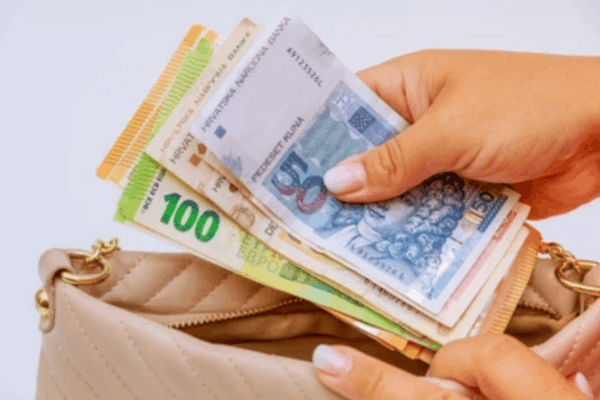
The shift to the euro impacts day-to-day financial activities for Croatians. The kuna was phased out over several months in 2023, with official conversion rates set at 1 euro = 7.53450 kuna. The Croatian National Bank (HNB) has assured residents that kuna coins and banknotes will still be accepted for some time as the country gradually completes the currency conversion.
One of the most immediate effects of the change is the ease of cross-border financial transactions. Many Croatians already held bank accounts in euros, so the transition to the euro does not drastically alter their daily financial lives. However, some people have expressed concerns about rising prices, with some businesses taking advantage of the switch to round prices up.
While this is a sensitive issue, the government and the European Central Bank (ECB) have closely monitored the impact on inflation, ensuring that the transition is smooth.
For Tourists
For tourists visiting Croatia, the switch to the euro brings convenience. The most significant change is that prices across Croatia are now listed in euros, eliminating the need to exchange kuna for euros. This makes travel to Croatia more convenient for eurozone visitors, who no longer need to worry about exchanging money or dealing with currency conversion fees.
For non-eurozone tourists, Croatia’s transition to the euro simplifies travel, as there is no longer a need to carry multiple currencies when traveling around Europe. However, it’s still important for visitors to keep an eye on exchange rates for their local currencies, as Croatia’s economic landscape continues to evolve.
Benefits of Croatia’s Euro Adoption
Increased Financial Integration: Croatia’s decision to adopt the euro makes the country more closely integrated into the European financial system. This integration simplifies trade, attracts investment, and helps ensure that Croatia remains economically stable.
Boosting Tourism: With the euro as the official currency, Croatia’s tourism industry becomes more attractive to travelers, especially from countries that already use the euro. Visitors will find it easier to budget and manage expenses, making Croatia a more seamless destination for European tourists.
Reduced Currency Risks for Businesses: For Croatian businesses, the switch to the euro reduces currency exchange risks, especially when conducting business with other eurozone countries. This stability can enhance confidence among local and foreign investors.
Conclusion
Croatia’s shift from the kuna to the euro is a significant milestone in its economic journey. The move enhances Croatia’s financial stability, boosts its international trade potential, and makes the country even more accessible to tourists. Whether you are planning a visit or looking to invest in Croatia, understanding the currency transition will make your experience smoother and more convenient.
FAQs
Why did Croatia switch to the euro?
Croatia adopted the euro to enhance its economic stability, integrate more deeply into the European financial system, and simplify trade and tourism. As part of its EU membership, adopting the euro was a step toward meeting EU integration criteria.
How does the euro adoption impact tourists in Croatia?
Tourists from eurozone countries no longer need to worry about currency exchange when traveling to Croatia, as prices are now listed in euros. This simplifies budgeting and reduces the need for exchanging kuna.
Will kuna coins and banknotes still be accepted in Croatia?
Yes, kuna coins and banknotes will continue to be accepted alongside euros for some time, but they will gradually be phased out. The Croatian National Bank has set a deadline for full euro adoption by 2025.
Share Now
Disclaimer:This content is provided for informational purposes only and does not constitute, and should not be construed as, financial, investment, or other professional advice. No statement or opinion contained herein should be considered a recommendation by Ultima Markets or the author regarding any specific investment product, strategy, or transaction. Readers are advised not to rely solely on this material when making investment decisions and should seek independent advice where appropriate.
Thank you for visiting the Ultima Markets website. Please note that this website is intended for individuals residing in jurisdictions where access is permitted by law. Ultima and its affiliated entities do not operate in your home jurisdiction.
By clicking ‘Acknowledge’, you confirm that you are entering this website solely on your own initiative and not as a result of any specific marketing outreach. You wish to obtain information from this website based on reverse solicitation principles, in accordance with the applicable laws of your home jurisdiction.