Important Information
This website is managed by Ultima Markets’ international entities, and it’s important to emphasise that they are not subject to regulation by the FCA in the UK. Therefore, you must understand that you will not have the FCA’s protection when investing through this website – for example:
- You will not be guaranteed Negative Balance Protection
- You will not be protected by FCA’s leverage restrictions
- You will not have the right to settle disputes via the Financial Ombudsman Service (FOS)
- You will not be protected by Financial Services Compensation Scheme (FSCS)
- Any monies deposited will not be afforded the protection required under the FCA Client Assets Sourcebook. The level of protection for your funds will be determined by the regulations of the relevant local regulator.
Note: UK clients are kindly invited to visit https://www.ultima-markets.co.uk/. Ultima Markets UK expects to begin onboarding UK clients in accordance with FCA regulatory requirements in 2026.
If you would like to proceed and visit this website, you acknowledge and confirm the following:
- 1.The website is owned by Ultima Markets’ international entities and not by Ultima Markets UK Ltd, which is regulated by the FCA.
- 2.Ultima Markets Limited, or any of the Ultima Markets international entities, are neither based in the UK nor licensed by the FCA.
- 3.You are accessing the website at your own initiative and have not been solicited by Ultima Markets Limited in any way.
- 4.Investing through this website does not grant you the protections provided by the FCA.
- 5.Should you choose to invest through this website or with any of the international Ultima Markets entities, you will be subject to the rules and regulations of the relevant international regulatory authorities, not the FCA.
Ultima Markets wants to make it clear that we are duly licensed and authorised to offer the services and financial derivative products listed on our website. Individuals accessing this website and registering a trading account do so entirely of their own volition and without prior solicitation.
By confirming your decision to proceed with entering the website, you hereby affirm that this decision was solely initiated by you, and no solicitation has been made by any Ultima Markets entity.
I confirm my intention to proceed and enter this website Please direct me to the website operated by Ultima Markets , regulated by the FCA in the United Kingdom
Ultima Markets App
Trade Anytime, Anywhere





What Are FAANG Stocks? How to Invest?
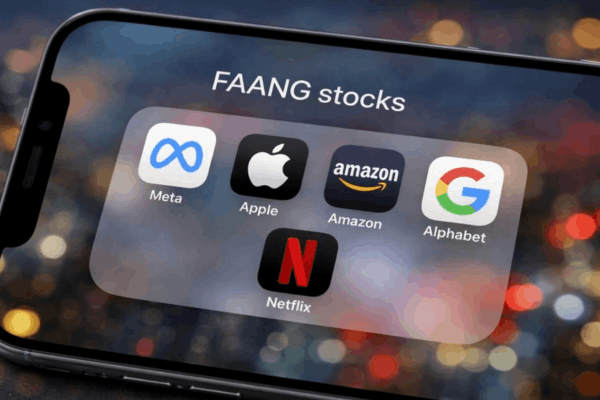
What are FAANG stocks? This question has been at the heart of tech investing for years. The term FAANG stocks refers to a group of technology giants that dominate sectors like social media, e-commerce, entertainment, and digital advertising, which consists of Meta, Amazon, Apple, Netflix, and Alphabet (Google).
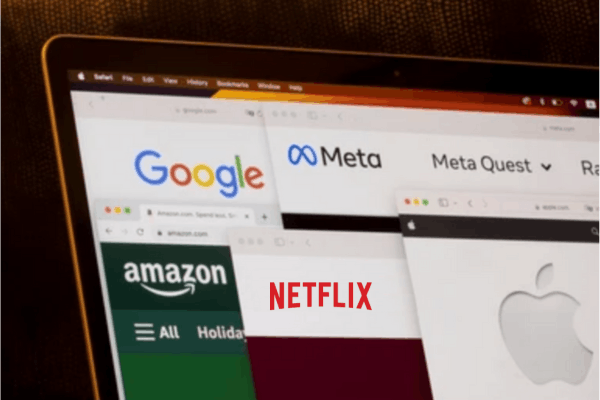
In 2026, these companies remain at the forefront of the global tech landscape. These five companies are not only key players in their respective industries but also significant drivers of the broader stock market.
As they continue to innovate and grow, understanding their current standing and the challenges they face is crucial for investors looking to capitalise on the future of tech.
What Is FAANG?
FAANG stands for Facebook (now Meta), Amazon, Apple, Netflix, and Google (now Alphabet). These companies are the most influential players in the technology sector, and they are also among the largest companies by market capitalisation in the U.S. stock market.
Together, they represent nearly 19% of the S&P 500’s total value, making them a crucial part of both the stock market and the economy at large.
The term FAANG was coined in 2013 by trader Jim Cramer and popularised on CNBC’s Mad Money. Initially, the acronym was FANG, which excluded Apple. However, in 2017, Apple was added to the group due to its continued market dominance.
Despite their massive scale, FAANG stocks don’t always represent the top tech companies in terms of innovation or growth, with some benchmarks replacing Netflix with Microsoft. However, their impact on the global market is undeniable.
The FAANG Companies in 2026
Below are the FAANG stocks in 2026, showcasing how each company has evolved and continues to shape the future of technology and innovation.
Meta (META)
Once known as Facebook, Meta Platforms has been a dominant force in the world of social media. Meta owns not only Facebook but also Instagram, WhatsApp, and Oculus VR. Since its rebranding in 2022, Meta has heavily invested in the Metaverse and artificial intelligence (AI), areas it sees as critical for its future growth.
However, Meta has also faced its share of controversies, particularly over user privacy breaches and misinformation. Despite these challenges, the company remains a key player in digital advertising, generating the majority of its revenue from ads on its platforms.
In 2026, Meta continues to push its AI initiatives. Meta AI boasts nearly 1 billion monthly active users, and the company is also investing in Reality Labs to further its Metaverse goals. Although these ventures are currently losing money, Meta’s strong advertising growth helps mitigate these losses.
Amazon (AMZN)
Amazon has transformed from an e-commerce titan into a global technology leader. While its e-commerce business remains dominant, Amazon’s cloud computing service, AWS, is now the company’s primary profit generator.
Amazon has also expanded into advertising and streaming, making significant investments in AI and renewable energy as part of its sustainability goals. With over 200 million global Prime subscribers, Amazon continues to be a leader in the retail and cloud space.
Amazon’s commitment to AI extends beyond AWS, with investments in AI startups like Anthropic and Bedrock. These moves position Amazon at the forefront of the next wave of technological innovation, making it a significant player in the evolving tech landscape.
Apple (AAPL)
Apple has long been a dominant force in consumer electronics, with the iPhone being its flagship product. But as the smartphone market matures, Apple has diversified its business model, focusing more on services such as streaming, gaming, and cloud storage.
In 2026, Apple’s focus on AI platforms and spatial computing (e.g., its Vision Pro headset) signals a shift toward next-generation technologies. Despite some early setbacks with the Vision Pro, the company’s strong ecosystem and brand loyalty ensure that Apple remains a leader in tech.
In 2018, Apple became the first U.S. company to reach a $1 trillion market cap, and in 2026, it continues to break records, with a market capitalisation surpassing $3 trillion. Apple’s ability to innovate and expand into new areas will keep it in the spotlight for investors.
Netflix (NFLX)
Netflix revolutionised the entertainment industry, shifting from a DVD rental service to the world’s largest subscription-based streaming platform.
Despite its 300 million global subscribers, Netflix faces increasing competition from Disney+, Amazon Prime, and Tencent. In 2026, the company is investing in exclusive content and advertising, aiming to strengthen its competitive position in a crowded market.
Netflix has faced ups and downs in recent years, with its stock performance fluctuating based on subscriber growth and content costs. Its recent acquisition of Warner Bros for $82.7 billion could help bolster its content library and expand its reach globally, but how well this deal pans out will be a key factor for investors moving forward.
Alphabet (GOOGL)
Alphabet, the parent company of Google, remains the leader in digital advertising, with its search engine and YouTube platform dominating the market. In 2026, Alphabet is doubling down on AI with new innovations in cloud computing, autonomous vehicles, and AI chatbots like Gemini. The company’s Google Cloud service and Waymo(autonomous vehicles) are expected to be key growth areas in the coming years.
However, Alphabet is not without its challenges. Increasing regulatory scrutiny in both the EU and U.S. over its ad business and search practices could lead to increased compliance costs or potential restructuring. Nevertheless, Alphabet’s robust business model and diverse revenue streams make it a key player in the future of tech.
FAANG Stocks Performance and Competition
FAANG stocks have historically outperformed the broader market, with Netflix leading the pack with a 3,560% total return since 2013. In contrast, Meta and Amazon have also posted substantial gains, with Apple achieving a 1,530%return during the same period.
However, the performance of FAANG stocks is not without its volatility. For instance, Meta saw a significant decline in its share price in 2021, only to recover and outperform the S&P 500 by 70% in mid-2022. These fluctuations highlight the importance of managing risk when investing in such high-growth stocks.
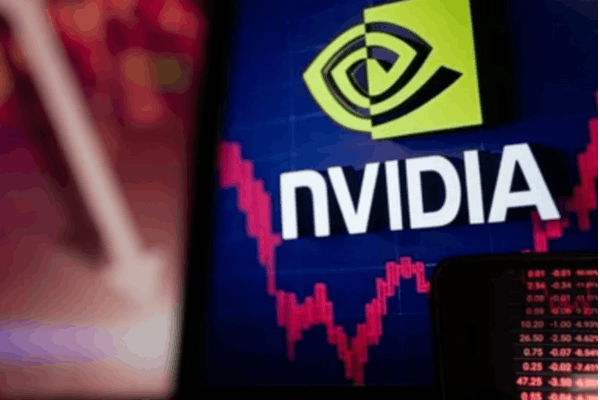
While FAANG stocks continue to dominate, new players in the tech sector, particularly in artificial intelligence (AI), are rapidly gaining traction. Companies like Microsoft, Nvidia, and Tesla have become central figures in the AI revolution, positioning themselves as formidable competitors to FAANG stocks in key areas like AI infrastructure and cloud services.
If your portfolio is heavily focused on tech stocks, it’s also worth exploring Best AI Stocks to Buy Now in 2026. Beyond the Magnificent Seven, a growing number of companies specialising in AI technologies offer substantial growth opportunities that could complement your existing tech holdings.
Trading FAANG Stocks
If you’re wondering what are FAANG stocks and how to trade them, the process is relatively simple. FAANG stocks can be traded directly on the stock market through brokerage accounts, or you can gain exposure through exchange-traded funds (ETFs) that track the performance of these companies. The FANG+ Index is one such option, which includes the five FAANG companies and other tech giants like Microsoft.
For those interested in short-term trades, CFDs (Contracts for Difference) are a popular tool. CFDs allow investors to speculate on the price movements of FAANG stocks without actually owning the shares.
However, these trades are leveraged, meaning that both profits and losses are based on the total position size rather than the margin amount, so risk management is crucial.
Conclusion
What are FAANG stocks like in 2026? They are still some of the most powerful and influential companies in the tech industry. Their dominance in AI, cloud computing, and digital advertising ensures their position as key players in the global market.
While they face challenges from competitors and regulatory scrutiny, their capacity for innovation and market leadership makes them critical to both the technology sector and broader investment strategies.
For investors, FAANG stocks offer the potential for high returns but come with significant risks. By staying informed and understanding the evolving landscape of these tech giants, investors can make strategic decisions that align with their long-term goals.
FAQ
FAANG stocks refer to five of the most influential technology companies: Meta, Amazon, Apple, Netflix, and Alphabet. These companies are leaders in social media, e-commerce, cloud computing, and digital advertising.
FAANG stocks have historically outperformed the broader market. In 2026, they continue to drive innovation in AI, cloud services, and digital advertising. While they offer high growth potential, investors should consider the regulatory challenges and increased competition from other tech giants.
While Microsoft is one of the largest and most influential tech companies, it was not included in the FAANG acronym because it was not initially part of the social media or streaming boom that defined the FAANG group. However, Microsoft is often included in newer tech lists like the Magnificent Seven, which also includes companies like Nvidiaand Tesla, reflecting its growing dominance in cloud computing and AI.
Disclaimer: This content is provided for informational purposes only and does not constitute, and should not be construed as, financial, investment, or other professional advice. No statement or opinion contained here in should be considered a recommendation by Ultima Markets or the author regarding any specific investment product, strategy, or transaction. Readers are advised not to rely solely on this material when making investment decisions and should seek independent advice where appropriate.
Latest Articles


FOLLOW US






Ultima Markets is a member of The Financial Commission, an international independent body responsible for resolving disputes in the Forex and CFD markets.

All clients of Ultima Markets are protected under insurance coverage provided by Willis Towers Watson (WTW), a global insurance brokerage established in 1828, with claims eligibility up to US$1,000,000 per account.

Ultima Markets is the first United CFD broker to be part of the United Nations Global Compact.
FOLLOW US
TRADE WITH US
RISK DISCLOSURE
Risk Warning:
Trading leveraged financial products, including Contracts for Difference (CFDs), carries a high level of risk and may result in losses exceeding your initial investment. These products are not suitable for all investors and should only be traded with funds you can afford to lose. You do not own or have any rights to the underlying assets of these derivatives (e.g., entitlement to dividends). Please ensure you fully understand the associated risks. Before trading, consider your level of experience, investment objectives, and seek independent financial advice if necessary. Refer to our legal documents and disclosures before making any trading decisions.
General Advice Warning:
The information provided on this website is general in nature and does not take into account your personal objectives, financial situation, or needs. Before acting on any advice, you should assess its appropriateness in light of your individual circumstances and consult our legal documentation.
Regional Restrictions:
The information and services on this website are not intended for residents of certain jurisdictions, including but not limited to the United States, United Kingdom, Singapore, and any jurisdictions subject to international sanctions. For further information, please contact our customer support team.
Regulatory Information:
Ultima Markets is a trading name shared amongst multiple entities operating in various jurisdictions. These following entities are authorised to operate under the Ultima Markets brand and trademarks.
-
Ultima Markets UK Limited, reference number 470325, is authorised and regulated by the Financial Conduct Authority (FCA). Registered address: 1 Blossom Yard, Fourth Floor, London, E1 6RS, UNITED KINGDOM.
-
Ultima Markets Ltd is authorised and regulated by the Financial Services Commission (FSC) of Mauritius as a Full-Service Investment Dealer (excluding Underwriting), under licence number GB 23201593.
Registered address: 2nd Floor, The Catalyst, 40 Silicon Avenue, Ebene Cybercity, 72201, Mauritius.

Copyright © 2026 Ultima Markets Ltd. All rights reserved.
-

Messenger


Continue on Messenger
Take the conversation to your Messenger account. You can return anytime.
Scan the QR code and then send the message that appears in your Messenger.
Open Messenger on this device.
-

Instagram

Continue on Instagram
Take the conversation to your Instagram account. You can return anytime.
Scan the QR code to open Instagram. Follow @ultima_markets to send a DM.
Open Instagram on this device.
-

Live Chat
-

