This website is managed by Ultima Markets’ international entities, and it’s important to emphasise that they are not subject to regulation by the FCA in the UK. Therefore, you must understand that you will not have the FCA’s protection when investing through this website – for example:
You will not be guaranteed Negative Balance Protection
You will not be protected by FCA’s leverage restrictions
You will not have the right to settle disputes via the Financial Ombudsman Service (FOS)
You will not be protected by Financial Services Compensation Scheme (FSCS)
Any monies deposited will not be afforded the protection required under the FCA Client Assets Sourcebook. The level of protection for your funds will be determined by the regulations of the relevant local regulator.
Note: UK clients are kindly invited to visit https://www.ultima-markets.co.uk/. Ultima Markets UK expects to begin onboarding UK clients in accordance with FCA regulatory requirements in 2026.
If you would like to proceed and visit this website, you acknowledge and confirm the following:
1.The website is owned by Ultima Markets’ international entities and not by Ultima Markets UK Ltd, which is regulated by the FCA.
2.Ultima Markets Limited, or any of the Ultima Markets international entities, are neither based in the UK nor licensed by the FCA.
3.You are accessing the website at your own initiative and have not been solicited by Ultima Markets Limited in any way.
4.Investing through this website does not grant you the protections provided by the FCA.
5.Should you choose to invest through this website or with any of the international Ultima Markets entities, you will be subject to the rules and regulations of the relevant international regulatory authorities, not the FCA.
Ultima Markets wants to make it clear that we are duly licensed and authorised to offer the services and financial derivative products listed on our website. Individuals accessing this website and registering a trading account do so entirely of their own volition and without prior solicitation.
By confirming your decision to proceed with entering the website, you hereby affirm that this decision was solely initiated by you, and no solicitation has been made by any Ultima Markets entity.
Ultima Markets does not have an establishment in Singapore and does not operate from Singapore.
Ultima Markets does not provide products or services to citizens or residents of Singapore, and account applications from Singapore citizens or residents will not be accepted.
If you are a citizen or resident of Singapore, please do not open an account or use Ultima Markets’ products or services.
By selecting “Acknowledge and Continue Browsing”, you confirm that you are accessing this website on your own initiative and that your access is not the result of any direct marketing, targeted advertising, solicitation, or promotional activity by Ultima Markets.
Nothing on this website constitutes an offer, solicitation, or promotion of products or services in any jurisdiction where such activity is prohibited. You are responsible for ensuring that your access to and use of this website complies with applicable local laws and regulations.
Learn what a stop limit order is. See how it works and its applications in trading so you can manage risk, protect profits, and execute smarter trades.
What is a Stop Limit Order in Trading?
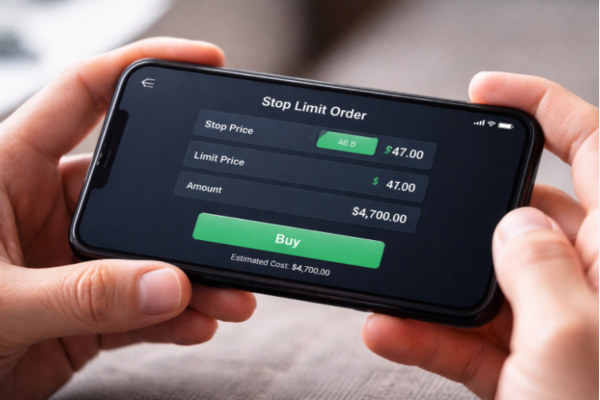
A stop limit order is an advanced trading tool that combines the benefits of a stop order and a limit order, offering traders greater control over their trades.
So, what is a stop limit order exactly? It’s a tool that allows traders to specify both the stop price and the limit price, ensuring that trades are executed within a defined price range, especially when markets are volatile.
By setting both a stop price and a limit price, traders can protect themselves from unfavorable price movements and ensure that their trades are executed within a specific price range.
How Does a Stop Limit Order Work?
Now that we understand what is a stop limit order, let’s explore how it works in practice. A stop limit order is triggered once the market hits the predetermined stop price. Once triggered, the order becomes a limit order and will only execute if the asset can be bought or sold at the limit price or better.
For example, if you own a stock currently priced at $50 and you place a stop limit order with a stop price of $48 and a limit price of $47, your order will become active once the stock price reaches $48. However, the trade will only execute if the price can be sold at $47 or better.
This means you can control the exact price at which you are willing to sell or buy, ensuring that your trade doesn’t occur at an undesirable price.
Why Use a Stop Limit Order?
Stop limit orders are especially valuable for traders who want to manage risk in volatile markets or during unpredictable price movements. Here’s why traders opt for stop limit orders:
Price Control: Unlike market orders, which can be filled at an undesirable price due to slippage, stop limit orders give traders precise control over the execution price.
Risk Management: By specifying a stop price and limit price, traders can reduce the risk of substantial losses if the market moves against them.
Avoiding Slippage: Stop limit orders ensure that the trade will only be executed within the specified price range, reducing the chances of slippage, which is common in fast-moving markets.
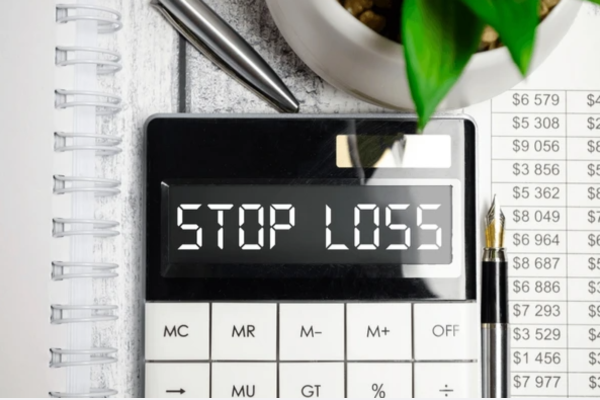
Stop Loss vs Stop Limit Order
While both stop loss orders and stop limit orders aim to protect traders, they work in different ways. Here’s a comparison:
Feature
Stop Loss Order
Stop Limit Order
Execution Type
Market order once the stop price is hit
Limit order once the stop price is triggered
Price Control
No control over the execution price
Control over the execution price (limit price)
Risk of Unfilled Orders
Guaranteed execution, but possible slippage
No guarantee of execution if the limit price is missed
Ideal Use
Fast market exits to limit losses
Controlling the price at which the trade is executed
Applications of Stop Limit Orders in Trading
Stop limit orders have various practical applications in trading. Below are some of the most common scenarios in which traders use stop limit orders:
Application Scenario
Stop-Loss Price Setting
Limit Price Setting
Purpose
Risk Control
Below a certain percentage of the position cost
Set reasonably based on market liquidity and transaction costs
Limit loss size
Profit Protection
Below a certain percentage of current profit level
Close to the current price
Lock in partial or full profit
Breakout Trading
Above key resistance level
Slightly higher than the stop-loss price
Enter in the direction of the trend
Event-Driven Trading
Set according to the event’s potential impact and expected volatility range
Based on market conditions and strategy
Manage risks or opportunities during unexpected events
Key Considerations for Using a Stop Limit Order
While stop limit orders offer more control over trade prices, they come with certain limitations:
Execution Risk: There is no guarantee that a stop limit order will be filled, especially in fast-moving or volatile markets. If the market price moves quickly past the limit price, the order may not be executed.
Market Conditions: Stop limit orders are more effective in stable market conditions, where price movements are predictable. They may not be suitable for extremely volatile situations where prices can jump quickly.
Liquidity Concerns: Traders should also be mindful of market liquidity. If the market isn’t liquid enough, even a limit order might not be filled at the desired price.
Conclusion
A stop limit order is a powerful tool for traders who want to manage risk and ensure that their trades are executed at specific prices.
By combining the features of a stop order and a limit order, it offers flexibility and control, allowing traders to avoid slippage while mitigating losses. However, it’s important to remember that stop limit orders do not guarantee execution, especially in volatile or fast-moving markets.
When using stop limit orders, it’s essential to carefully consider your stop price and limit price, ensuring that they align with your trading strategy and market conditions.
Whether you’re protecting profits or managing risk, a stop limit order can be an effective tool for optimizing your trading plan.
FAQ
What is a stop limit order?
A stop limit order is a trading order that combines a stop order with a limit order, allowing traders to control the price at which a trade is executed once a specific price level is hit.
What is a stop limit order used for?
A stop limit order is used to manage risk by controlling the price at which a trade is executed, helping traders protect against unfavorable price movements and avoid slippage.
What’s the difference between a stop loss and a stop limit order?
A stop loss order triggers a market order once the stop price is reached, while a stop limit order turns into a limit order, offering more control over the execution price.
Share Now
Disclaimer:This content is provided for informational purposes only and does not constitute, and should not be construed as, financial, investment, or other professional advice. No statement or opinion contained herein should be considered a recommendation by Ultima Markets or the author regarding any specific investment product, strategy, or transaction. Readers are advised not to rely solely on this material when making investment decisions and should seek independent advice where appropriate.
Thank you for visiting the Ultima Markets website. Please note that this website is intended for individuals residing in jurisdictions where access is permitted by law. Ultima and its affiliated entities do not operate in your home jurisdiction.
By clicking ‘Acknowledge’, you confirm that you are entering this website solely on your own initiative and not as a result of any specific marketing outreach. You wish to obtain information from this website based on reverse solicitation principles, in accordance with the applicable laws of your home jurisdiction.