This website is managed by Ultima Markets’ international entities, and it’s important to emphasise that they are not subject to regulation by the FCA in the UK. Therefore, you must understand that you will not have the FCA’s protection when investing through this website – for example:
You will not be guaranteed Negative Balance Protection
You will not be protected by FCA’s leverage restrictions
You will not have the right to settle disputes via the Financial Ombudsman Service (FOS)
You will not be protected by Financial Services Compensation Scheme (FSCS)
Any monies deposited will not be afforded the protection required under the FCA Client Assets Sourcebook. The level of protection for your funds will be determined by the regulations of the relevant local regulator.
Note: UK clients are kindly invited to visit https://www.ultima-markets.co.uk/. Ultima Markets UK expects to begin onboarding UK clients in accordance with FCA regulatory requirements in 2026.
If you would like to proceed and visit this website, you acknowledge and confirm the following:
1.The website is owned by Ultima Markets’ international entities and not by Ultima Markets UK Ltd, which is regulated by the FCA.
2.Ultima Markets Limited, or any of the Ultima Markets international entities, are neither based in the UK nor licensed by the FCA.
3.You are accessing the website at your own initiative and have not been solicited by Ultima Markets Limited in any way.
4.Investing through this website does not grant you the protections provided by the FCA.
5.Should you choose to invest through this website or with any of the international Ultima Markets entities, you will be subject to the rules and regulations of the relevant international regulatory authorities, not the FCA.
Ultima Markets wants to make it clear that we are duly licensed and authorised to offer the services and financial derivative products listed on our website. Individuals accessing this website and registering a trading account do so entirely of their own volition and without prior solicitation.
By confirming your decision to proceed with entering the website, you hereby affirm that this decision was solely initiated by you, and no solicitation has been made by any Ultima Markets entity.
Discover what currency is used in Italy. See how the euro impacts forex trading, and how Italy’s G7 ties influence the exchange rates for investors.
What Currency is Used in Italy?
When traveling to Italy, one of the first things you’ll need to know is the local currency. Whether you’re planning to enjoy the historic streets of Rome, explore Venice’s canals, or savor Tuscany’s wine regions, understanding Italy’s currency will help you manage your budget and ensure a smooth trip.
In this article, we’ll walk you through Italy’s official currency, how to exchange money, and provide practical tips to help you during your stay.
Italy’s Official Currency: The Euro (€)
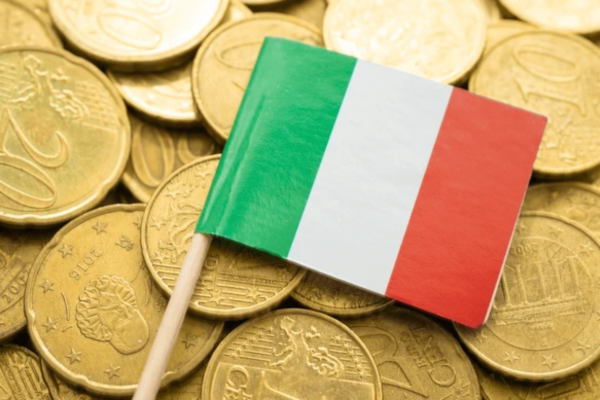
Italy is part of the European Union, and like most of its EU neighbors, it uses the euro as its official currency. The euro, symbolized as €, has been the official currency since January 1, 2002, when it replaced the Italian lira (ITL). This transition was part of a broader European effort to create a unified currency across many countries.
The euro is used in 19 of the 27 European Union countries, making it the second-most widely held reserve currency in the world after the U.S. dollar. It’s a convenient currency for travelers, as it’s accepted across most of Western Europe, including Italy, and in various other EU countries.
Euro Banknotes and Coins
The euro comes in banknotes and coins, each of which has its own denominations and distinct design. Let’s take a closer look:
Euro Banknotes
Euro banknotes are available in the following denominations:
€5
€10
€20
€50
€100
€200
€500
Each banknote features symbols representing the history of European architecture and culture, including bridges, windows, and arches that reflect the union of European nations.
Euro Coins
The euro coins come in denominations of:
1, 2, 5, 10, 20, and 50 cents
€1 and €2
The coins are made from various metals and feature designs specific to each euro-using country. In Italy, you’ll find images that reflect the country’s heritage, such as famous landmarks or figures from its history.
The Italian Lira: A Brief History
Before the euro, Italy used the Italian lira (ITL), which was introduced in 1861. The lira had a rich history and was used for over a century. However, with the push for a unified European currency, the lira was replaced by the euro in 2002.
The conversion rate at the time was set at 1 euro = 1,936.27 lira, meaning that Italians were required to exchange their lira for euros as part of the transition.
Although the lira is no longer in use, it remains an important part of Italy’s cultural history. Many Italians still have fond memories of their old currency, and you may encounter people who still refer to prices in “lira” out of habit.
Exchange Rates and Currency Conversion
If you’re traveling to Italy from outside the Eurozone, you will need to exchange your currency for euros. Currency exchange rates fluctuate daily based on economic conditions, so it’s important to monitor the market or use a currency converter to get the best rates before exchanging your money.
ATMs: The most convenient and cost-effective way to exchange currency in Italy is through an ATM (or “bancomat” in Italian). They offer better rates than exchange counters at airports or tourist spots.
Currency Exchange Services: While exchange kiosks are available in major cities, they often charge higher fees and offer less favorable rates. It’s better to use ATMs, especially for larger amounts.
Banks: For larger sums or if you prefer face-to-face transactions, you can exchange money at a bank, where the rates are usually competitive.
Always make sure to check for any foreign transaction fees your bank may charge for using your card or withdrawing from ATMs abroad.
Credit Cards and Digital Payments
Italy is widely card-friendly, especially in cities and tourist-heavy areas. Most major credit cards such as Visa, Mastercard, and American Express are accepted in hotels, shops, and restaurants. However, you may find some smaller businesses, particularly in rural areas, prefer cash payments.
Digital wallets, such as Apple Pay and Google Pay, are becoming more common in Italy, particularly in urban centers like Milan, Rome, and Florence. Still, it’s a good idea to always have some cash on hand for smaller transactions, like buying a coffee at a local café or tipping service staff.
Practical Tips for Handling Currency in Italy
Carry Smaller Notes: While credit cards are widely accepted, some smaller establishments, especially in rural areas, may prefer cash payments. It’s wise to carry some small euro coins and notes for minor purchases, such as buying a gelato or paying for bus fares.
Tipping: Tipping in Italy isn’t obligatory, but it is appreciated. For restaurant bills, you can leave a 5-10% tip, rounding up the total. In cafes, tipping is typically not required but leaving some change is appreciated.
Avoid Currency Exchange Fees at Airports: Currency exchange services at airports and train stations tend to have high fees and poor rates. It’s better to exchange currency at local banks or use ATMs once you’ve arrived.
Notify Your Bank: To avoid any issues with your debit or credit cards while abroad, make sure to inform your bank of your travel dates. This helps prevent your cards from being flagged as suspicious due to international use.
Conclusion
In Italy, the euro (€) is the official currency, and it’s used across most of Europe as part of the Eurozone. As a G7 currency, the euro is influenced by major global economic shifts, especially those originating from other G7 nations.
As one of the countries in the G7, Italy’s currency, the euro, is closely tied to the broader dynamics of the world’s most influential currencies. Understanding how to exchange your money, using credit cards or digital wallets, and knowing where to get the best exchange rates will ensure a smooth and hassle-free trip.
Whether you’re strolling through Rome’s piazzas or indulging in Tuscan cuisine, having the right currency and payment method at hand will make your Italian adventure even more enjoyable.
FAQ
Can I use US dollars in Italy?
No, Italy uses the euro as its official currency. You’ll need to exchange US dollars for euros before making purchases.
How do I exchange currency in Italy?
The best way to exchange currency in Italy is through ATMs, which offer better exchange rates. Avoid using airport exchange counters due to higher fees.
Are credit cards widely accepted in Italy?
Yes, most credit cards (Visa, MasterCard, American Express) are accepted in major cities. However, it’s still a good idea to carry some cash, especially for small transactions.
Share Now
Disclaimer:This content is provided for informational purposes only and does not constitute, and should not be construed as, financial, investment, or other professional advice. No statement or opinion contained herein should be considered a recommendation by Ultima Markets or the author regarding any specific investment product, strategy, or transaction. Readers are advised not to rely solely on this material when making investment decisions and should seek independent advice where appropriate.
Thank you for visiting the Ultima Markets website. Please note that this website is intended for individuals residing in jurisdictions where access is permitted by law. Ultima and its affiliated entities do not operate in your home jurisdiction.
By clicking ‘Acknowledge’, you confirm that you are entering this website solely on your own initiative and not as a result of any specific marketing outreach. You wish to obtain information from this website based on reverse solicitation principles, in accordance with the applicable laws of your home jurisdiction.