
Ultima Markets App
Trade Anytime, Anywhere




Important Information
This website is managed by Ultima Markets’ international entities, and it’s important to emphasise that they are not subject to regulation by the FCA in the UK. Therefore, you must understand that you will not have the FCA’s protection when investing through this website – for example:
- You will not be guaranteed Negative Balance Protection
- You will not be protected by FCA’s leverage restrictions
- You will not have the right to settle disputes via the Financial Ombudsman Service (FOS)
- You will not be protected by Financial Services Compensation Scheme (FSCS)
- Any monies deposited will not be afforded the protection required under the FCA Client Assets Sourcebook. The level of protection for your funds will be determined by the regulations of the relevant local regulator.
Note: Ultima Markets is currently developing a dedicated website for UK clients and expects to onboard UK clients under FCA regulations in 2026.
If you would like to proceed and visit this website, you acknowledge and confirm the following:
- 1.The website is owned by Ultima Markets’ international entities and not by Ultima Markets UK Ltd, which is regulated by the FCA.
- 2.Ultima Markets Limited, or any of the Ultima Markets international entities, are neither based in the UK nor licensed by the FCA.
- 3.You are accessing the website at your own initiative and have not been solicited by Ultima Markets Limited in any way.
- 4.Investing through this website does not grant you the protections provided by the FCA.
- 5.Should you choose to invest through this website or with any of the international Ultima Markets entities, you will be subject to the rules and regulations of the relevant international regulatory authorities, not the FCA.
Ultima Markets wants to make it clear that we are duly licensed and authorised to offer the services and financial derivative products listed on our website. Individuals accessing this website and registering a trading account do so entirely of their own volition and without prior solicitation.
By confirming your decision to proceed with entering the website, you hereby affirm that this decision was solely initiated by you, and no solicitation has been made by any Ultima Markets entity.
I confirm my intention to proceed and enter this website Please direct me to the website operated by Ultima Markets , regulated by the FCA in the United Kingdom

What is the Currency in Denmark?
Denmark, a country renowned for its high quality of life, scenic landscapes, and thriving economy, stands out in Europe for its unique approach to currency. Unlike most EU nations that have adopted the euro, Denmark retains its own currency: the Danish Krone (DKK).
This article explores the currency in Denmark, its historical context, the current economic landscape, and its importance for locals, visitors, and currency traders alike.
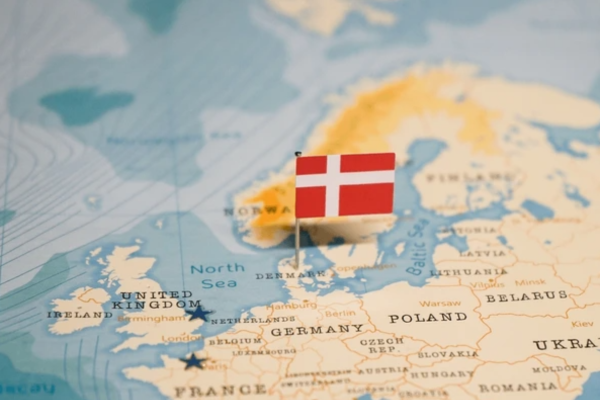
The Danish Krone (DKK)
The Danish Krone (DKK), abbreviated as kr, has been Denmark’s official currency since 1873, when it replaced the Danish rigsdaler. The currency is issued and controlled by Danmarks Nationalbank, the central bank of Denmark.
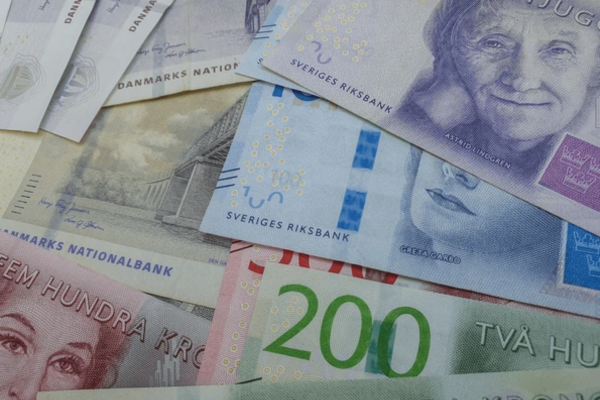
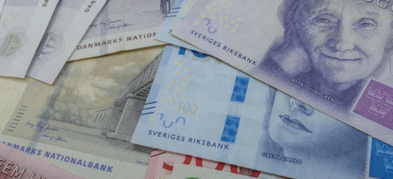
One Danish Krone is subdivided into 100 øre, although coins in øre are rarely used in everyday transactions due to their low value. Today, the most commonly used coins are 1, 2, 5, and 10 kroner, while banknotes come in denominations of 50, 100, 200, 500, and 1,000 kroner.
Despite its historical origins, the Danish Krone remains a crucial part of Denmark’s identity and economy, shaping everything from monetary policy to international trade.
Why Denmark Doesn’t Use the Euro
While Denmark is a member of the European Union, it has chosen not to adopt the euro. This decision stems from a 2000 referendum, where 53.2% of the Danish population voted against joining the Eurozone. As a result, Denmark negotiated a special opt-out from adopting the euro, allowing the country to maintain its own currency while still participating in other aspects of EU cooperation.
The Danish Krone’s independence has allowed the country to retain control over its monetary policy. This has been particularly important for managing inflation and interest rates in a way that best suits Denmark’s economic needs. For example, Denmark can adjust the Krone’s value and respond to market conditions without being bound by the European Central Bank’s (ECB) policies.
The Krone’s Link to the Euro
Although Denmark uses the Krone and not the euro, the Danish currency is still closely tied to the euro. Denmark maintains a fixed exchange rate policy, where the Krone is pegged to the euro at a central rate of DKK 7.46038 per EUR. This peg ensures stability between the two currencies and prevents excessive fluctuations that could disrupt trade and financial markets.
The peg to the euro helps Denmark integrate smoothly with the broader European economy, especially since many of Denmark’s key trading partners are in the Eurozone. However, this arrangement also means that Denmark must carefully monitor eurozone economic developments, as fluctuations in the euro can indirectly impact the Krone’s value.
Danish Krone in Forex Markets and Currency Pairs
For forex traders, the Danish Krone is an interesting currency to watch due to its unique position in the global market. The DKK is often traded against major currencies such as the euro (EUR/DKK) and the U.S. dollar (USD/DKK). Due to the currency’s peg to the euro, the EUR/DKK currency pair is one of the most traded in the Scandinavian forex market, offering liquidity and stable pricing for traders.
The USD/DKK pair is another popular option for forex traders looking to gain exposure to Denmark’s economy or hedge against volatility in global markets.
This pair is influenced by broader factors, such as U.S. economic data, Fed policy, and Denmark’s own monetary decisions, including interest rates set by Danmarks Nationalbank.
In addition, many forex traders also track the GBP/DKK and JPY/DKK pairs, especially when Denmark’s economic outlook or policy changes could potentially impact global risk sentiment and affect these cross-rates. While the Krone is not as widely traded as the major currencies, its stability and the fixed exchange rate to the euro make it an important currency in the European forex market.
Recent Developments of the Currency in Denmark
In recent years, the Danish Krone has faced some volatility, particularly against the euro and the U.S. dollar.
In early 2026, there were signs of weakness in the Krone’s value, with some analysts predicting the currency might approach the upper limits of its peg. This has sparked speculation about whether Danmarks Nationalbank might intervene to defend the peg and stabilize the currency. Such interventions are not uncommon in times of market stress and are part of the country’s broader monetary strategy.
Despite these fluctuations, the Krone’s stability has been a defining feature of Denmark’s economy, helping maintain investor confidence and a strong trade environment. Additionally, with increased global demand for Danish exports, the value of the Krone remains closely linked to Denmark’s overall economic performance.
The Krone in Daily Life and International Trade
For most people in Denmark, the Krone is an everyday part of life. It’s the primary currency used in all transactions, both small and large. Credit cards are widely accepted in Denmark’s cities and towns, but it’s still important to carry some cash, particularly in smaller towns or rural areas.
ATMs are easily accessible, and they offer competitive exchange rates for those withdrawing Danish Krone from foreign bank accounts.
From an international perspective, Denmark’s strong economic ties to the Eurozone and its stable currency make it an attractive destination for investment and business.
The Krone’s stability helps facilitate trade agreements and partnerships, especially with other European nations.
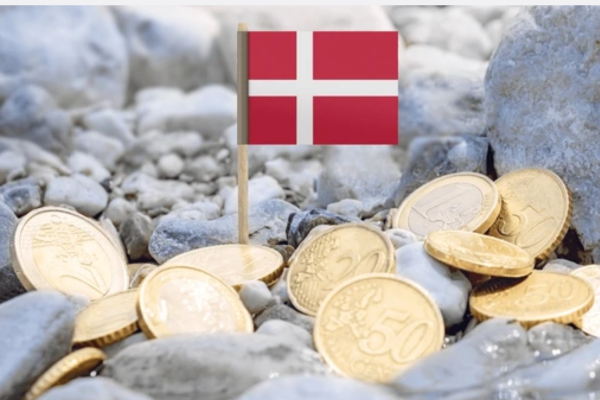
Denmark’s economy is heavily reliant on exports, and a stable Krone is crucial for maintaining competitiveness on the global stage. A sudden drop in the Krone’s value could make Danish goods more affordable for international buyers, boosting demand. Conversely, a strong Krone could make exports more expensive, potentially slowing demand.
How to Exchange Danish Krone
For travelers visiting Denmark, currency exchange is readily available at airports, exchange offices, and major banks. The Krone is also widely available in ATMs throughout Denmark, where international visitors can withdraw Krone at competitive rates.
Additionally, most international credit cards can be used for payments, especially in cities and larger towns.
If you’re traveling to Denmark, it’s wise to check exchange rates beforehand to ensure you’re getting the best value for your currency. As Denmark’s economy is so closely tied to the euro, you’ll often find that the exchange rate between the Krone and the euro is relatively stable.
Conclusion
The Danish Krone plays an essential role in Denmark’s economic stability and monetary policy. While Denmark’s decision to retain its own currency sets it apart from many other EU nations, the Krone’s close relationship with the euro ensures that Denmark remains an integrated and influential member of Europe’s financial system.
From facilitating international trade to providing economic stability for locals, the Danish Krone continues to be a symbol of Denmark’s sovereignty and economic foresight.
Whether you’re a visitor, a business investor, or a forex trader, understanding the Krone’s role is key to navigating Denmark’s economic landscape.
FAQ 1: What currency is used in Denmark?
Denmark uses the Danish Krone (DKK) as its official currency. The Krone is subdivided into 100 øre, though øre coins are no longer commonly used in everyday transactions.
FAQ
Denmark uses the Danish Krone (DKK) as its official currency. The Krone is subdivided into 100 øre, though øre coins are no longer commonly used in everyday transactions.
Denmark has opted not to adopt the euro due to a 2000 referendum where the majority of Danes voted against joining the Eurozone. Instead, Denmark retains the Danish Krone (DKK), maintaining its economic independence while still being integrated with the European Union.
Yes, the Danish Krone (DKK) is actively traded in the forex market, particularly against major currencies like the euro (EUR/DKK) and the U.S. dollar (USD/DKK). Its stability, backed by Denmark’s economic policies and a fixed exchange rate with the euro, makes it a reliable currency for traders, especially those looking to hedge or speculate on Scandinavian markets.
Disclaimer: This content is provided for informational purposes only and does not constitute, and should not be construed as, financial, investment, or other professional advice. No statement or opinion contained here in should be considered a recommendation by Ultima Markets or the author regarding any specific investment product, strategy, or transaction. Readers are advised not to rely solely on this material when making investment decisions and should seek independent advice where appropriate.
Latest Articles
FOLLOW US






Ultima Markets is a member of The Financial Commission, an international independent body responsible for resolving disputes in the Forex and CFD markets.

All clients of Ultima Markets are protected under insurance coverage provided by Willis Towers Watson (WTW), a global insurance brokerage established in 1828, with claims eligibility up to US$1,000,000 per account.

Ultima Markets is the first United CFD broker to be part of the United Nations Global Compact.
FOLLOW US
TRADE WITH US
RISK DISCLOSURE
Risk Warning:
Trading leveraged financial products, including Contracts for Difference (CFDs), carries a high level of risk and may result in losses exceeding your initial investment. These products are not suitable for all investors and should only be traded with funds you can afford to lose. You do not own or have any rights to the underlying assets of these derivatives (e.g., entitlement to dividends). Please ensure you fully understand the associated risks. Before trading, consider your level of experience, investment objectives, and seek independent financial advice if necessary. Refer to our legal documents and disclosures before making any trading decisions.
General Advice Warning:
The information provided on this website is general in nature and does not take into account your personal objectives, financial situation, or needs. Before acting on any advice, you should assess its appropriateness in light of your individual circumstances and consult our legal documentation.
Regional Restrictions:
The information and services on this website are not intended for residents of certain jurisdictions, including but not limited to the United States, United Kingdom, Singapore, and any jurisdictions subject to international sanctions. For further information, please contact our customer support team.
Regulatory Information:
Ultima Markets is a trading name shared amongst multiple entities operating in various jurisdictions. These following entities are authorised to operate under the Ultima Markets brand and trademarks.
-
Ultima Markets UK Limited, reference number 470325, is authorised and regulated by the Financial Conduct Authority (FCA). Registered address: 1 Blossom Yard, Fourth Floor, London, E1 6RS, UNITED KINGDOM.
-
Ultima Markets Ltd is authorised and regulated by the Financial Services Commission (FSC) of Mauritius as a Full-Service Investment Dealer (excluding Underwriting), under licence number GB 23201593.
Registered address: 2nd Floor, The Catalyst, 40 Silicon Avenue, Ebene Cybercity, 72201, Mauritius.

Copyright © 2026 Ultima Markets Ltd. All rights reserved.
-

Messenger


Continue on Messenger
Take the conversation to your Messenger account. You can return anytime.
Scan the QR code and then send the message that appears in your Messenger.
Open Messenger on this device.
-

Instagram

Continue on Instagram
Take the conversation to your Instagram account. You can return anytime.
Scan the QR code to open Instagram. Follow @ultima_markets to send a DM.
Open Instagram on this device.
-

Live Chat
-

