This website is managed by Ultima Markets’ international entities, and it’s important to emphasise that they are not subject to regulation by the FCA in the UK. Therefore, you must understand that you will not have the FCA’s protection when investing through this website – for example:
You will not be guaranteed Negative Balance Protection
You will not be protected by FCA’s leverage restrictions
You will not have the right to settle disputes via the Financial Ombudsman Service (FOS)
You will not be protected by Financial Services Compensation Scheme (FSCS)
Any monies deposited will not be afforded the protection required under the FCA Client Assets Sourcebook. The level of protection for your funds will be determined by the regulations of the relevant local regulator.
Note: UK clients are kindly invited to visit https://www.ultima-markets.co.uk/. Ultima Markets UK expects to begin onboarding UK clients in accordance with FCA regulatory requirements in 2026.
If you would like to proceed and visit this website, you acknowledge and confirm the following:
1.The website is owned by Ultima Markets’ international entities and not by Ultima Markets UK Ltd, which is regulated by the FCA.
2.Ultima Markets Limited, or any of the Ultima Markets international entities, are neither based in the UK nor licensed by the FCA.
3.You are accessing the website at your own initiative and have not been solicited by Ultima Markets Limited in any way.
4.Investing through this website does not grant you the protections provided by the FCA.
5.Should you choose to invest through this website or with any of the international Ultima Markets entities, you will be subject to the rules and regulations of the relevant international regulatory authorities, not the FCA.
Ultima Markets wants to make it clear that we are duly licensed and authorised to offer the services and financial derivative products listed on our website. Individuals accessing this website and registering a trading account do so entirely of their own volition and without prior solicitation.
By confirming your decision to proceed with entering the website, you hereby affirm that this decision was solely initiated by you, and no solicitation has been made by any Ultima Markets entity.
Learn about the Dominican Republic currency, the Dominican Peso (DOP). Find out how it’s used, exchange rates, and factors influencing its value
Understanding the currency used in the Dominican Republic is essential for forex traders who seek profitable trading opportunities. This guide will explore the key factors affecting the Dominican Peso, including its exchange rate trends, economic factors, and trading opportunities.
What Currency Does Dominican Republic Use?
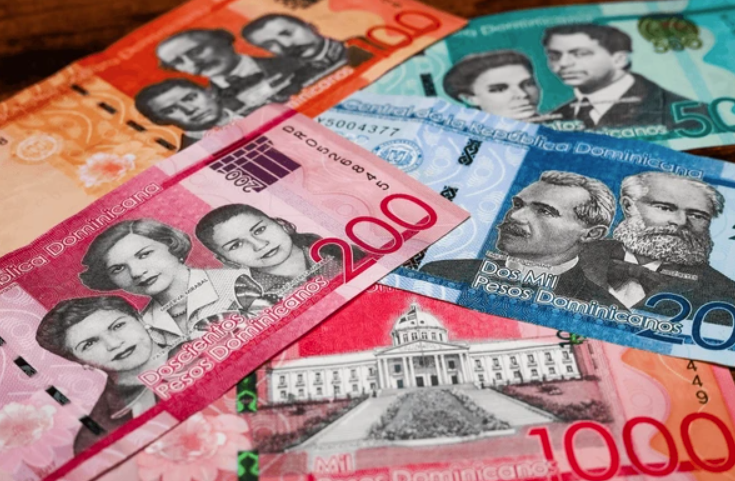
The Dominican Peso (DOP) is the official currency of the Dominican Republic, symbolized as RD$. It is subdivided into 100 centavos, similar to other Latin American currencies. The peso has maintained a stable presence in the Caribbean currency market, making it an important asset for forex traders who focus on emerging market currencies.
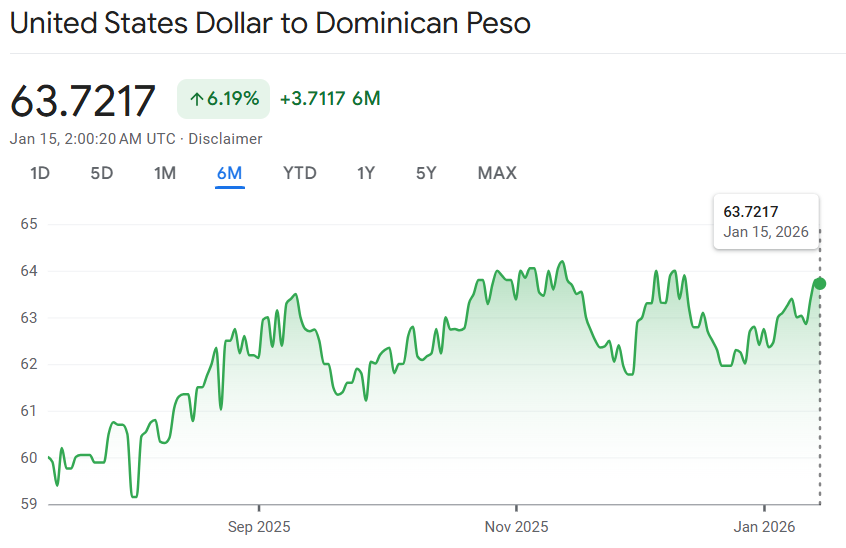
As of January 2026, the DOP/USD exchange rate stands at approximately 63.72 DOP per 1 USD, reflecting a relatively stable value against the US Dollar. This stability is crucial for traders looking for lower volatility in emerging market currencies.
Key Economic Factors Affecting Dominican Peso
Understanding the economic environment of the Dominican Republic is essential for forex traders who are analyzing the Dominican Peso (DOP). Several factors can influence the DOP/USD exchange rate and its movement in the forex market. Let’s explore the most critical economic factors that directly impact the Dominican Peso.
Inflation and Price Stability
Inflation Rate: Inflation is a critical factor for forex traders, as it erodes purchasing power and influences the currency’s value. As of 2026, the Dominican Republic’s inflation rate is around 5.4% (compared to the previous year). While moderate, this inflation rate is higher than in some developed economies, affecting the Dominican Peso’s purchasing power. If the Central Bank does not control high inflation, it can lead to the depreciation of the DOP.
Central Bank Target: The Central Bank of the Dominican Republic (BCRD) targets 4% to 5% inflation for stability. If inflation surpasses this range, it may signal weakness in the DOP, which forex traders should monitor.
Interest Rates and Central Bank Policy
Current Interest Rate: The Central Bank of the Dominican Republic adjusts interest rates to manage inflation and stimulate economic growth. As of January 2026, the benchmark interest rate set by the BCRD is 6.50%. This rate is crucial for forex traders because higher interest rates typically attract foreign investment, increasing demand for the Dominican Peso and appreciating its value.
Monetary Policy Impact: When the BCRD raises interest rates, it can strengthen the DOP by offering better returns on peso-denominated investments. If the Central Bank lowers interest rates to stimulate economic growth, the DOP could depreciate, making it less attractive to investors.
Economic Growth and GDP Performance
GDP Growth: The Dominican Republic has experienced strong economic growth, making it one of the top performers in the Caribbean. In 2025, the Dominican economy grew by 5.4%, largely driven by robust growth in the tourism and manufacturing sectors. Economic growth tends to support the local currency, and as the Dominican economy continues to expand, it strengthens demand for the Dominican Peso.
Forecast: According to the World Bank, the Dominican Republic is expected to maintain moderate economic growth of around 4.5% in 2026, which should support the peso in the medium term. Strong economic growth attracts foreign investment, particularly in real estate and tourism, which directly boosts the DOP.
Foreign Direct Investment (FDI)
FDI Flow: Foreign direct investment (FDI) is a crucial contributor to the Dominican economy. In 2025, the Dominican Republic attracted over $3.5 billion in FDI, primarily in mining, tourism, and manufacturing sectors. FDI inflows lead to an increased demand for the Dominican Peso, pushing its value up.
Impact on the DOP: When foreign companies invest in the Dominican Republic, they need to convert their foreign currency into Dominican Pesos to conduct business. This creates a positive demand for the DOP, helping stabilize and even strengthen the currency in the long term.
Tourism Industry
Tourism’s Contribution: Tourism is one of the Dominican Republic’s most important industries, accounting for approximately 8-10% of the country’s GDP in recent years. In 2025, the country welcomed around 7 million international visitors, generating significant foreign currency inflows. This helps maintain a steady demand for the Dominican Peso.
Exchange Rate Impact: The USD/DOP exchange rate often experiences fluctuations around peak tourism seasons (December to April), as large numbers of tourists exchange foreign currency into Dominican Pesos. Forex traders may find trading opportunities based on the seasonal demand for the DOP during these months.
External Economic Factors: US Dollar and Global Market Trends
USD/DOP Correlation: As a tourism-driven economy, the US Dollar plays a pivotal role in shaping the Dominican Peso’s performance. The USD/DOP exchange rate is often sensitive to changes in US economic policy and interest rate decisions by the US Federal Reserve. If the Fed raises interest rates, the USD tends to strengthen, which can cause the DOP to depreciate in value.
Commodities and Global Economic Conditions: The price of global commodities, particularly oil, sugar, and precious metals (like gold), also affects the Dominican economy and the DOP. For example, an increase in global oil prices could increase costs for the Dominican Republic, affecting the DOP’s stability. Conversely, rising commodity prices, such as sugar exports, can provide economic support to the peso.
How Does the USD Influence the Dominican Peso?
The US Dollar (USD) has a significant influence on the Dominican Peso due to the strong economic ties between the two nations. While the Dominican Peso is the official currency, the USD is widely accepted in tourist areas, especially in Punta Cana, Santo Domingo, and Puerto Plata.
For forex traders, the USD/DOP exchange rate provides insight into the performance of the Dominican Peso relative to the US Dollar. Understanding how the Dominican Peso behaves in relation to the USD is essential for capitalizing on potential market fluctuations. Traders closely watch the USD/DOP movement as it reacts to shifts in US monetary policy and global economic conditions.
Why is the Dominican Peso Losing Value?
The Dominican Peso (DOP) is losing value for several reasons, many of which are related to the country’s economy, global factors, and local policies. Here are the main reasons why the DOP is facing depreciation:
Inflation and Price Increases
Inflation means the price of things like food, gas, and services go up, making the Dominican Peso worth less. As of 2026, the Dominican Republic’s inflation rate is about 5.4%. This is relatively high compared to many other countries, which means the DOP is losing value faster.
When prices rise too quickly, people need more USD (US Dollars) to buy the same goods. This increases the demand for USD, causing the DOP to fall.
High Foreign Debt
The Dominican Republic has a lot of debt, much of it in US Dollars. The country has to spend more USD to pay back this debt. As the government needs to exchange DOP for USD to pay debt, the DOP loses value. The more USD the government needs, the weaker the DOP becomes.
Influence of the US Dollar
The US Dollar (USD) plays a huge role in the Dominican economy. The USD is used in tourism, trade, and remittances (money sent from abroad). If the USD strengthens, the DOP often weakens. When the USD rises, the Dominican Peso tends to fall because it makes USD more attractive for traders and investors, reducing demand for the DOP.
Trade Deficit and Global Shocks
The Dominican Republic imports more than it exports, meaning it spends more USD than it earns. This trade deficit creates more pressure on the DOP. When the country buys goods from other countries (like oil), it needs to use USD. If global prices for oil or other key imports go up, the Dominican Republic has to pay more, which makes the DOP weaker.
Political or Social Instability
Political instability or social unrest can make investors lose trust in the Dominican Peso. If people are worried about the country’s future or if there are protests, investors may take their money out of the country, which causes the DOP to lose value.
Global Commodity Price Changes
The Dominican Republic depends on imports like oil, and changes in commodity prices affect the DOP. If oil prices rise or the price of things like sugar (a major export) falls, it can hurt the Dominican Peso. Rising oil prices make imports more expensive, which leads to inflation and weakens the DOP.
Foreign Exchange Reserves and Central Bank Policies
The Central Bank of the Dominican Republic controls the country’s foreign exchange reserves. If reserves run low, the Central Bank may have to sell DOP to buy USD, weakening the DOP. When the Central Bank runs out of foreign reserves, the DOP becomes more difficult to support, and its value drops.
Most Popular Currency Pairs Involving the Dominican Peso (DOP)
While the Dominican Peso is not as widely traded as major currencies like the Euro (EUR) or US Dollar (USD), it still plays a significant role in the Caribbean region and among emerging market currencies.
USD/DOP (US Dollar / Dominican Peso)
The USD/DOP pair is by far the most traded currency pair involving the Dominican Peso. This is largely due to the strong economic ties between the Dominican Republic and the United States, as well as the widespread use of US Dollars in the Dominican economy.
Movements in the USD/DOP exchange rate are primarily driven by US monetary policy, inflation rates, and interest rates. As the USD is the primary foreign currency used in tourism, remittances, and trade in the Dominican Republic, fluctuations in this pair are often linked to the broader US economy.
For example, if the USD strengthens due to a US interest rate hike, the DOP may weaken, causing the USD/DOP exchange rate to rise.
EUR/DOP (Euro / Dominican Peso)
The EUR/DOP is the second most popular pair involving the Dominican Peso. This pair is particularly relevant for European traders or those looking to trade emerging market currencies in the Caribbean.
The EUR/DOP pair can be influenced by economic data from the Eurozone, such as GDP growth, inflation rates, and interest rate decisions by the European Central Bank (ECB). Changes in EUR/USD can also impact EUR/DOP since USD-based movements often influence the Euro.
For example, if the Euro strengthens due to strong Eurozone economic performance, the EUR/DOP exchange rate could increase, causing the DOP to depreciate against the Euro.
GBP/DOP (British Pound / Dominican Peso)
The GBP/DOP pair, while not as popular as USD/DOP, is traded by forex traders who seek exposure to both the British Pound and the Dominican Peso. The GBP is less commonly used in the Dominican Republic, but the pair still sees some action due to the global influence of the British Pound.
Similar to EUR/DOP, the GBP/DOP exchange rate can be influenced by economic reports from the UK, such as interest rate changes, Brexit developments, and UK inflation data.
If the GBP strengthens due to favorable UK economic data, the GBP/DOP exchange rate could rise, and the DOP may depreciate against the Pound.
JPY/DOP (Japanese Yen / Dominican Peso)
Less Liquid, but Notable. The JPY/DOP pair is less liquid compared to other major currency pairs but can still see activity from traders looking for exposure to Asian markets or carry trades. The Japanese Yen is often used as a safe-haven currency, and its strength or weakness can affect this pair.
JPY/DOP movements are impacted by Bank of Japan policies, global risk sentiment, and commodity prices. As the JPY often rises in times of economic uncertainty, traders may use the JPY/DOP pair as a hedge against global market volatility.
In periods of global economic uncertainty, the JPY may strengthen as a safe haven, which could lead to a drop in the JPY/DOP exchange rate as the DOP depreciates.
CAD/DOP (Canadian Dollar / Dominican Peso)
The CAD/DOP pair is also notable for forex traders looking to capture changes in commodity prices, especially oil, as Canada is a major oil exporter. The Canadian Dollar (CAD) is often sensitive to changes in global commodity prices, and oil price fluctuations can directly impact the CAD/DOP exchange rate.
The Canadian Dollar tends to strengthen when oil prices rise because Canada is a major oil exporter. Similarly, a drop in oil prices can weaken the CAD, potentially impacting the CAD/DOP pair.
If global oil prices rise sharply, the CAD/DOP exchange rate could increase, causing the DOP to depreciate against the Canadian Dollar.
Is the Dominican Peso (DOP) a Good Currency to Trade?
The Dominican Peso (DOP) can be a good currency to trade, depending on your trading strategy and risk tolerance. The DOP offers moderate volatility, which can provide opportunities for short-term traders to capitalize on price movements.
However, factors like inflation, global commodity prices, and the US Dollar’s strength can affect the DOP’s value. Although the Dominican Republic’s economy is expected to grow, political, social, and external shocks could threaten the currency’s stability. Traders seeking volatility and short-term opportunities may find the DOP attractive, but should monitor economic data and global events for informed decisions.
Conclusion
The Dominican Peso (DOP) offers both opportunities and risks for forex traders. With moderate volatility and economic growth, the DOP can present profitable short-term trading opportunities, especially when closely monitoring US Dollar movements and global economic conditions. However, factors like inflation, trade imbalances, and commodity price changes can affect the currency’s value.
For traders looking to practice their strategies and understand the Dominican Peso’s movements, Ultima Markets offers a demo account where you can trade in a risk-free environment. With real-time market conditions, you can test your strategies on the currency pairs before moving to a live account. Open a demo account today and start practicing your forex trading strategies with Ultima Markets.
FAQ
Is Dominican peso pegged to USD?
The Dominican Peso (DOP) is not pegged to the US Dollar (USD). Instead, it is a floating currency, and its value fluctuates against the USD and other currencies based on market forces and economic conditions.
Why is the Dominican peso losing value?
The Dominican Peso (DOP) is losing value due to factors such as high inflation, a trade deficit, and foreign debt obligations. Additionally, fluctuations in global commodity prices and the strength of the US Dollar (USD) also contribute to the DOP’s depreciation.
Will the peso get stronger?
It is uncertain if the Dominican Peso (DOP) will get stronger in the near future. The peso’s strength depends on economic growth, inflation control, and global factors like US Dollar movements and commodity price changes. If the country improves its trade balance and controls inflation, the DOP could strengthen.
Share Now
Disclaimer:This content is provided for informational purposes only and does not constitute, and should not be construed as, financial, investment, or other professional advice. No statement or opinion contained herein should be considered a recommendation by Ultima Markets or the author regarding any specific investment product, strategy, or transaction. Readers are advised not to rely solely on this material when making investment decisions and should seek independent advice where appropriate.
Thank you for visiting the Ultima Markets website. Please note that this website is intended for individuals residing in jurisdictions where access is permitted by law. Ultima and its affiliated entities do not operate in your home jurisdiction.
By clicking ‘Acknowledge’, you confirm that you are entering this website solely on your own initiative and not as a result of any specific marketing outreach. You wish to obtain information from this website based on reverse solicitation principles, in accordance with the applicable laws of your home jurisdiction.