This website is managed by Ultima Markets’ international entities, and it’s important to emphasise that they are not subject to regulation by the FCA in the UK. Therefore, you must understand that you will not have the FCA’s protection when investing through this website – for example:
You will not be guaranteed Negative Balance Protection
You will not be protected by FCA’s leverage restrictions
You will not have the right to settle disputes via the Financial Ombudsman Service (FOS)
You will not be protected by Financial Services Compensation Scheme (FSCS)
Any monies deposited will not be afforded the protection required under the FCA Client Assets Sourcebook. The level of protection for your funds will be determined by the regulations of the relevant local regulator.
Note: UK clients are kindly invited to visit https://www.ultima-markets.co.uk/. Ultima Markets UK expects to begin onboarding UK clients in accordance with FCA regulatory requirements in 2026.
If you would like to proceed and visit this website, you acknowledge and confirm the following:
1.The website is owned by Ultima Markets’ international entities and not by Ultima Markets UK Ltd, which is regulated by the FCA.
2.Ultima Markets Limited, or any of the Ultima Markets international entities, are neither based in the UK nor licensed by the FCA.
3.You are accessing the website at your own initiative and have not been solicited by Ultima Markets Limited in any way.
4.Investing through this website does not grant you the protections provided by the FCA.
5.Should you choose to invest through this website or with any of the international Ultima Markets entities, you will be subject to the rules and regulations of the relevant international regulatory authorities, not the FCA.
Ultima Markets wants to make it clear that we are duly licensed and authorised to offer the services and financial derivative products listed on our website. Individuals accessing this website and registering a trading account do so entirely of their own volition and without prior solicitation.
By confirming your decision to proceed with entering the website, you hereby affirm that this decision was solely initiated by you, and no solicitation has been made by any Ultima Markets entity.
Explore what safe haven assets are, their importance, and discover options like gold, US dollar, bonds, and real estate to protect your wealth ahead.
What Are Safe Haven Assets? Do They Matter?
In an unpredictable world where economic instability, political upheaval, and market crashes can occur at any moment, safe haven assets play a crucial role in protecting wealth. But what exactly are safe haven assets, and why do they matter?
Simply put, these are investments that tend to retain or increase in value during periods of financial market turmoil. They act as a shield for investors, providing stability when riskier assets, like stocks, experience sharp declines.
Understanding what are safe haven assets is essential for anyone looking to safeguard their portfolios in uncertain times. While no investment is entirely risk-free, certain assets have shown consistent performance when markets face downturns, providing stability and security.
Safe Haven Meaning
Before we move into the list of safe haven assets, we must first grasp the safe haven meaning. The term “safe haven” refers to investments that are perceived to offer security in times of uncertainty. These assets generally perform well during economic crises or periods of financial stress.
While no asset is entirely risk-free, safe haven investments are typically less affected by market fluctuations, making them highly sought after when financial markets are in turmoil.
What Are Safe Haven Assets?
Safe haven assets are often chosen for their ability to withstand the storm when markets become volatile. They are typically characterized by traits like liquidity, low correlation with equities, and limited supply.
Here are some of the most common safe haven assets:
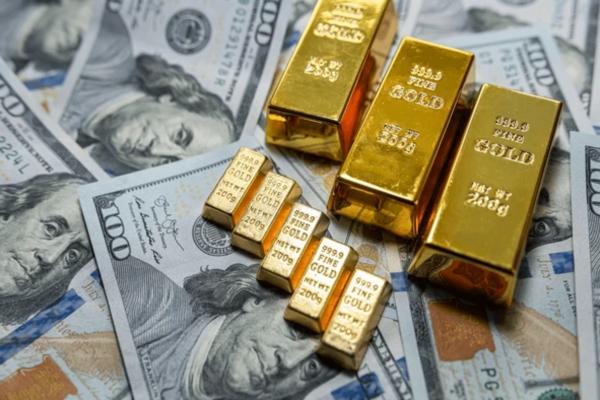
1. Gold: The Ultimate Safe Haven
Gold is the most widely recognized safe haven asset, valued for its historical role as a store of wealth.
During times of market chaos, gold often holds its value or even rises, making it a popular investment choice.
Unlike other currencies, gold is not subject to inflationary pressures or interest rate changes, which makes it a stable asset in uncertain times.
2. US Dollar (USD)
The US dollar is another asset that tends to perform well during times of crisis. As the world’s primary reserve currency, the USD benefits from its widespread use in global trade. In periods of uncertainty, investors often flock to the US dollar for its liquidity and safety.
This was particularly evident during the global financial crisis and the early stages of the COVID-19 pandemic, when the dollar strengthened amid market volatility.
3. Government Bonds: Stability in Sovereign Debt
Government bonds, especially those issued by financially stable countries, are considered safe haven assets. US Treasuries, in particular, are a top choice for investors seeking stability.
They are backed by the US government and have historically been a safe bet in times of market stress.
Other high-grade sovereign debt, like Swiss government bonds, is also highly sought after during uncertain times.
4. Swiss Franc (CHF): A Safe Haven Currency
The Swiss franc is another currency that is frequently regarded as a safe haven asset. Due to Switzerland’s neutral political stance and robust economy, the Swiss franc is a stable store of value during times of geopolitical and economic uncertainty.
Investors tend to flock to the CHF during market turbulence, viewing it as a safe alternative to more volatile currencies. Many investors consider it a “hard currency,” valued for its consistent purchasing power, especially during global crises.
5. Precious Metals: More Than Just Gold
While gold is the most famous precious metal used as a safe haven, other metals like silver, platinum, and palladium also offer stability during uncertain times. Silver, in particular, has shown similar behavior to gold during times of financial instability. These metals are often sought after because of their tangible value and industrial demand, which can help them retain value even in turbulent times.
6. Real Estate: Tangible Security
Real estate is another form of safe haven asset that provides tangible value.
While real estate is less liquid than other assets, it can provide a store of value that is less affected by market swings. During financial crises, well-located real estate tends to hold its value better than stocks, making it an attractive option for long-term investors seeking stability.
What Are Other Safe Haven Assets Besides Gold?
While gold is the most well-known safe haven, it’s not the only one. There are several other assets that investors turn to during times of market stress:
US Dollar (USD): As the world’s most widely traded currency, it tends to perform well during financial crises.
Government Bonds: Particularly those from stable countries like the US or Switzerland, government bonds are considered low-risk investments.
Swiss Franc (CHF): Known for its stability, the Swiss franc is a preferred choice for investors during geopolitical and economic unrest.
Precious Metals: Silver, platinum, and palladium are also considered safe haven assets, often tracking gold’s performance.
Real Estate: High-quality real estate, particularly in global financial centers, remains a strong safe haven asset.
Cash and Money Market Funds: Although cash is subject to inflationary pressures, high-yield money market funds have seen significant inflows during times of volatility, offering liquidity and low risk.
Why Are Safe Haven Assets Important?
Safe haven assets are essential for investors looking to mitigate risk during uncertain times. They provide a reliable alternative when equities and other volatile assets are struggling. Safe havens can serve as both a store of value and a source of stability in turbulent markets, helping investors preserve their capital and weather financial storms.
For instance, during the global financial crisis of 2008, investors flocked to gold, driving its price higher. Similarly, during the early days of the COVID-19 pandemic in 2020, gold surged as investors sought security amid widespread market uncertainty.
Are Safe Haven Assets Always Safe?
While the term “safe haven” implies a degree of safety, it’s important to note that no asset is completely risk-free. In fact, many so-called safe haven assets can still experience volatility. For example, while gold generally performs well during periods of market turmoil, its price can still be impacted by factors such as central bank policies, changes in interest rates, and global supply and demand shifts.
Similarly, government bonds, traditionally seen as one of the safest investments, can be affected by rising interest rates and inflation. Even currencies like the Swiss franc or US dollar may not always offer the same degree of stability, depending on global economic conditions.
Conclusion
Safe haven assets play a critical role in investment strategy during times of financial crisis. Whether it’s gold, US government bonds, the Swiss franc, or other assets like silver and real estate, these investments offer a refuge for those looking to protect their wealth when the markets are volatile.
While no asset is completely free from risk, safe haven assets provide a sense of security, helping investors manage uncertainty and preserve their capital during turbulent times.
FAQs
What are safe haven assets?
Safe haven assets are investments that tend to retain or increase in value during periods of market volatility. Examples include gold, US dollar, and government bonds.
Why is gold considered a safe haven asset?
Gold has historically been seen as a stable store of value. During market downturns, it often retains or increases in value, making it a preferred choice for investors seeking security.
Are there other safe haven assets besides gold?
Yes, other safe haven assets include the US dollar, government bonds, Swiss franc, real estate, and other precious metals like silver and platinum.
Share Now
Disclaimer:This content is provided for informational purposes only and does not constitute, and should not be construed as, financial, investment, or other professional advice. No statement or opinion contained herein should be considered a recommendation by Ultima Markets or the author regarding any specific investment product, strategy, or transaction. Readers are advised not to rely solely on this material when making investment decisions and should seek independent advice where appropriate.
Thank you for visiting the Ultima Markets website. Please note that this website is intended for individuals residing in jurisdictions where access is permitted by law. Ultima and its affiliated entities do not operate in your home jurisdiction.
By clicking ‘Acknowledge’, you confirm that you are entering this website solely on your own initiative and not as a result of any specific marketing outreach. You wish to obtain information from this website based on reverse solicitation principles, in accordance with the applicable laws of your home jurisdiction.