
Ultima Markets App
Trade Anytime, Anywhere





Important Information
This website is managed by Ultima Markets’ international entities, and it’s important to emphasise that they are not subject to regulation by the FCA in the UK. Therefore, you must understand that you will not have the FCA’s protection when investing through this website – for example:
- You will not be guaranteed Negative Balance Protection
- You will not be protected by FCA’s leverage restrictions
- You will not have the right to settle disputes via the Financial Ombudsman Service (FOS)
- You will not be protected by Financial Services Compensation Scheme (FSCS)
- Any monies deposited will not be afforded the protection required under the FCA Client Assets Sourcebook. The level of protection for your funds will be determined by the regulations of the relevant local regulator.
Note: Ultima Markets is currently developing a dedicated website for UK clients and expects to onboard UK clients under FCA regulations in 2026.
If you would like to proceed and visit this website, you acknowledge and confirm the following:
- 1.The website is owned by Ultima Markets’ international entities and not by Ultima Markets UK Ltd, which is regulated by the FCA.
- 2.Ultima Markets Limited, or any of the Ultima Markets international entities, are neither based in the UK nor licensed by the FCA.
- 3.You are accessing the website at your own initiative and have not been solicited by Ultima Markets Limited in any way.
- 4.Investing through this website does not grant you the protections provided by the FCA.
- 5.Should you choose to invest through this website or with any of the international Ultima Markets entities, you will be subject to the rules and regulations of the relevant international regulatory authorities, not the FCA.
Ultima Markets wants to make it clear that we are duly licensed and authorised to offer the services and financial derivative products listed on our website. Individuals accessing this website and registering a trading account do so entirely of their own volition and without prior solicitation.
By confirming your decision to proceed with entering the website, you hereby affirm that this decision was solely initiated by you, and no solicitation has been made by any Ultima Markets entity.
I confirm my intention to proceed and enter this website Please direct me to the website operated by Ultima Markets , regulated by the FCA in the United Kingdom

The 16 Types of Traders in the Market
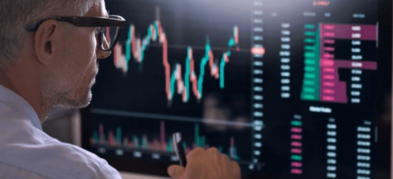
When you think about types of traders, you might imagine someone sitting at a desk in front of multiple screens, making decisions about when to buy or sell. But trading isn’t a one-size-fits-all activity. There are various types of traders, each with their own style, strategy, and decision-making process.
Whether you’re a beginner looking to start trading or an experienced trader seeking to refine your approach, this article will help you understand the different types of traders and the best fit for your goals and personality.
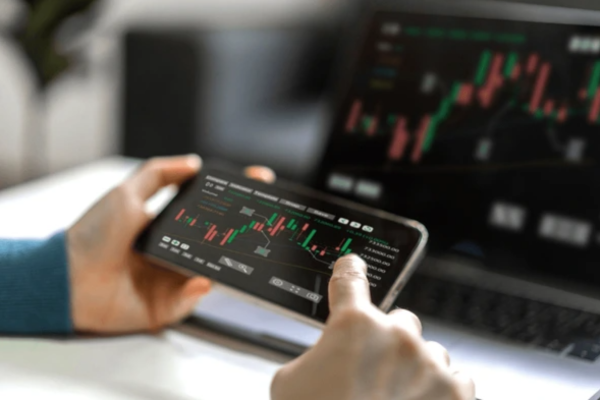
What “Types of Traders” Really Means
When it comes to categorising types of traders, the easiest and most common method is to sort them by time horizon. However, there are more factors at play, including strategy, market type, and risk tolerance.
A trader might specialise in short-term trading like scalping or day trading, or focus on long-term trends like position trading or swing trading.
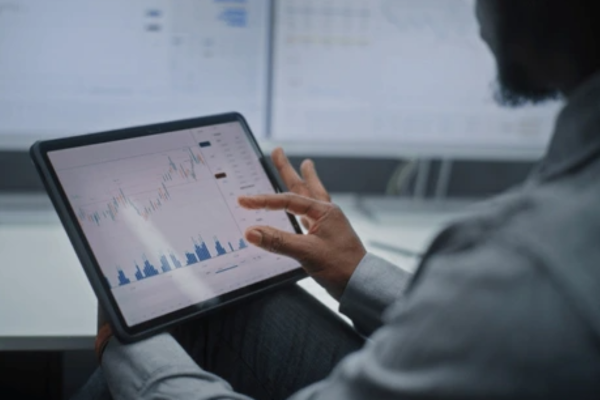
Broadly speaking, there are two main ways to classify traders:
- By time horizon: How long do traders hold their positions? Are they quick to enter and exit, or do they hold for weeks or months?
- By strategy: Are they trend-following, contrarian, or focused on volatility?
- By market: Do they focus on stocks, forex, options, or commodities?
- By execution style: Are they manual traders, algorithmic traders, or systematic traders?
Let’s break down the most common types and explore each style in more detail.
The 4 Core Types of Traders by Time Horizon
1) Scalpers
Scalpers are traders who look to profit from very small price movements, often entering and exiting trades within seconds or minutes. They rely on high liquidity and quick executions to capture small price changes multiple times throughout the day.
The downside is that scalping is fast-paced and stressful, and the costs of frequent trading such as spreads, commissions, slippage can add up quickly.
How Scalpers Operate:
- Holding time: Seconds to minutes
- Focus: Small price movements, typically in very liquid markets
- Tools: Fast trading platforms, tight spreads, high-frequency data
- Risk management: Very strict risk control to avoid significant losses on many trades
Why Choose Scalping?
Scalpers can make many small profits throughout the day and avoid the risk of overnight news events, which can cause larger price swings.
If you want to trade with more flexibility and less intensity, day trading might be a better fit for you.
2) Day Traders
Day traders are active traders who open and close positions within the same trading day, avoiding the risks associated with overnight positions.
However, day trading requires substantial screen time and emotional discipline. You need to be quick in decision-making and manage stress well.
How Day Traders Operate:
- Holding time: Minutes to hours
- Focus: Intraday trends, breakouts, reversals, and volatility
- Tools: Technical analysis, live news feeds, economic calendars
- Risk management: Strict risk parameters for daily losses
Why Choose Day Trading?
Day trading provides high-frequency opportunities and gives traders full control over their positions. The key advantage is that they don’t have to worry about overnight risks or holding positions during off-hours.
A Real-World Note:
In the U.S., FINRA defines a pattern day trader as someone who executes four or more day trades within five business days. Additionally, the trader must maintain a $25,000 minimum balance in their margin account to continue day trading. This rule is important to consider for anyone looking to become a full-time day trader.
For those who want fewer trades and more flexibility, swing trading may be a better option.
3) Swing Traders
Swing traders aim to capture price “swings” by holding positions for several days to a few weeks. They typically use technical analysis but may also consider fundamentals and market trends. Swing traders benefit from the ability to ride both up and down moves in the market.
The challenge is that swing traders are exposed to overnight risk, and market gaps can create volatility, especially over weekends or during significant news events.
How Swing Traders Operate:
- Holding time: Days to weeks
- Focus: Medium-term trends, market reversals
- Tools: Trendlines, support/resistance, oscillators
- Risk management: Stops and take-profits based on key levels
Why Choose Swing Trading?
Swing traders can take advantage of medium-term price movements while not being glued to their screens all day. This makes it a great fit for those who want more flexibility and fewer trades than day traders.
If you prefer even less screen time and a longer-term view of the markets, position trading might be the right choice for you.
4) Position Traders
Position traders take a long-term view, holding positions for weeks, months, or even years. They focus on big-picture trends and use a combination of fundamental analysis and technical indicators to inform their decisions.
How Position Traders Operate:
- Holding time: Weeks to months (or longer)
- Focus: Fundamental drivers, long-term trends
- Tools: Economic reports, earnings statements, long-term charts
- Risk management: Broad risk management techniques that account for long-term volatility
Why Choose Position Trading?
Position traders don’t need to worry about short-term market fluctuations. They benefit from taking advantage of larger, longer-term moves in the market.
The main challenge for position trading is that it requires patience and the ability to endure market volatility, which can be difficult when prices move against your position.
Types of Traders by Decision-Making Style
Beyond time horizon, traders can also be classified by how they make their decisions.
5) Discretionary Traders
Discretionary traders make decisions based on judgment and experience. These traders combine technical analysis, fundamental analysis, and market sentiment to decide when to enter and exit positions.
Strengths: Flexible, able to adapt to changing market conditions
Weaknesses: Prone to emotional biases and inconsistencies in decision-making
6) Systematic Traders
Systematic traders rely on predefined rules, which can be either manual or automated. They use a set of criteria to guide their trading, such as technical indicators, patterns, or economic factors.
Strengths: Consistency, backtesting, easy to scale
Weaknesses: Can be vulnerable if market conditions change and the strategy isn’t adaptive
7) Algorithmic Traders
Algorithmic traders use software to automatically execute trades based on predefined algorithms. These traders take advantage of market inefficiencies, typically on a large scale.
Strengths: Speed, accuracy, ability to handle vast amounts of data
Weaknesses: High initial setup cost, vulnerability to coding errors
Types of Traders by Strategy
The strategy you use plays a big part in determining the type of trader you are.
8) Trend Traders
Trend traders look to capitalise on longer-term market trends. They follow the market’s momentum and enter positions in the direction of the trend.
Strategy: Following long-term trends using technical analysis and momentum indicators
9) Momentum Traders
Momentum traders focus on assets that are moving strongly in one direction. They buy when momentum is building and sell when it starts to fade.
Strategy: Use of momentum indicators, such as RSI or MACD, to identify strong trending moves
10) Mean Reversion Traders
Mean reversion traders believe that prices will eventually revert to the mean (average). They look for extremes in price and take positions that expect the price to revert to its historical average.
Strategy: Trading extreme price movements with the expectation of a return to the mean
11) Breakout Traders
Breakout traders enter the market when an asset breaks through key levels of support or resistance. They expect price to continue moving in the breakout direction.
Strategy: Identifying price levels where breakout occurs and riding the trend
12) News and Event-Driven Traders
Event-driven traders react to scheduled or unscheduled events that can significantly impact a market, such as earnings releases, economic data, or geopolitical events.
Strategy: Trading based on news and upcoming events like earnings or central bank announcements
Types of Traders by Market or Instrument
The market or instrument you trade can also define your trading type. Whether you focus on stocks, forex, crypto, or options will shape your trading behavior.
13) Stock Traders
Stock traders focus on individual stocks and ETFs. They analyse company earnings reports, sector trends, and broader economic conditions.
14) Forex Traders
Forex traders deal with currency pairs, looking for opportunities in global economic shifts, central bank policies, and political events.
15) Crypto Traders
Crypto traders trade digital currencies like Bitcoin and Ethereum, usually benefitting from volatility and sentiment-driven markets.
16) Options Traders
Options traders use call and put options to capitalise on price movements in stocks, indices, or other instruments.
Choosing the Right Type of Trader for You
Choosing the right type of trader depends on your time commitment, risk tolerance, and trading goals.
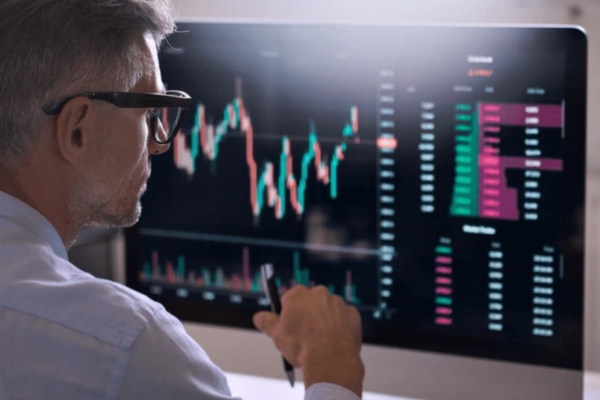
Start by asking yourself these questions:
- How much time can you dedicate each day to trading?
- Do you prefer quick decisions or longer-term strategies?
- How comfortable are you with risk?
- What market do you find the most interesting?
Once you have answers to these questions, you can narrow down which style works best for you.
FAQ
The main types of traders in the market are scalpers, day traders, swing traders, position traders, and several other specialised types like momentum traders, mean reversion traders, and event-driven traders. Each type differs based on the time horizon, trading strategy, and risk management approach.
To choose the best type of trader, consider your available time, personality, and risk tolerance. Scalpers and day traders require more screen time and fast decision-making, while swing traders and position traders offer more flexibility. Match your preferred time commitment and strategy with the type that fits your lifestyle and goals.
There isn’t a single “most profitable” trading style, as success depends on the trader’s skill, risk management, and market conditions. Day trading and scalping can be profitable for those who are quick and disciplined, while swing trading and position trading offer more opportunities to capitalise on longer-term trends. Each style has its risks and rewards.
Disclaimer: This content is provided for informational purposes only and does not constitute, and should not be construed as, financial, investment, or other professional advice. No statement or opinion contained here in should be considered a recommendation by Ultima Markets or the author regarding any specific investment product, strategy, or transaction. Readers are advised not to rely solely on this material when making investment decisions and should seek independent advice where appropriate.
Latest Articles

FOLLOW US






Ultima Markets is a member of The Financial Commission, an international independent body responsible for resolving disputes in the Forex and CFD markets.

All clients of Ultima Markets are protected under insurance coverage provided by Willis Towers Watson (WTW), a global insurance brokerage established in 1828, with claims eligibility up to US$1,000,000 per account.

Ultima Markets is the first United CFD broker to be part of the United Nations Global Compact.
FOLLOW US
TRADE WITH US
RISK DISCLOSURE
Risk Warning:
Trading leveraged financial products, including Contracts for Difference (CFDs), carries a high level of risk and may result in losses exceeding your initial investment. These products are not suitable for all investors and should only be traded with funds you can afford to lose. You do not own or have any rights to the underlying assets of these derivatives (e.g., entitlement to dividends). Please ensure you fully understand the associated risks. Before trading, consider your level of experience, investment objectives, and seek independent financial advice if necessary. Refer to our legal documents and disclosures before making any trading decisions.
General Advice Warning:
The information provided on this website is general in nature and does not take into account your personal objectives, financial situation, or needs. Before acting on any advice, you should assess its appropriateness in light of your individual circumstances and consult our legal documentation.
Regional Restrictions:
The information and services on this website are not intended for residents of certain jurisdictions, including but not limited to the United States, United Kingdom, Singapore, and any jurisdictions subject to international sanctions. For further information, please contact our customer support team.
Regulatory Information:
Ultima Markets is a trading name shared amongst multiple entities operating in various jurisdictions. These following entities are authorised to operate under the Ultima Markets brand and trademarks.
-
Ultima Markets UK Limited, reference number 470325, is authorised and regulated by the Financial Conduct Authority (FCA). Registered address: 1 Blossom Yard, Fourth Floor, London, E1 6RS, UNITED KINGDOM.
-
Ultima Markets Ltd is authorised and regulated by the Financial Services Commission (FSC) of Mauritius as a Full-Service Investment Dealer (excluding Underwriting), under licence number GB 23201593.
Registered address: 2nd Floor, The Catalyst, 40 Silicon Avenue, Ebene Cybercity, 72201, Mauritius.

Copyright © 2026 Ultima Markets Ltd. All rights reserved.
-

Messenger


Continue on Messenger
Take the conversation to your Messenger account. You can return anytime.
Scan the QR code and then send the message that appears in your Messenger.
Open Messenger on this device.
-

Instagram

Continue on Instagram
Take the conversation to your Instagram account. You can return anytime.
Scan the QR code to open Instagram. Follow @ultima_markets to send a DM.
Open Instagram on this device.
-

Live Chat
-

