Important Information
This website is managed by Ultima Markets’ international entities, and it’s important to emphasise that they are not subject to regulation by the FCA in the UK. Therefore, you must understand that you will not have the FCA’s protection when investing through this website – for example:
- You will not be guaranteed Negative Balance Protection
- You will not be protected by FCA’s leverage restrictions
- You will not have the right to settle disputes via the Financial Ombudsman Service (FOS)
- You will not be protected by Financial Services Compensation Scheme (FSCS)
- Any monies deposited will not be afforded the protection required under the FCA Client Assets Sourcebook. The level of protection for your funds will be determined by the regulations of the relevant local regulator.
Note: UK clients are kindly invited to visit https://www.ultima-markets.co.uk/. Ultima Markets UK expects to begin onboarding UK clients in accordance with FCA regulatory requirements in 2026.
If you would like to proceed and visit this website, you acknowledge and confirm the following:
- 1.The website is owned by Ultima Markets’ international entities and not by Ultima Markets UK Ltd, which is regulated by the FCA.
- 2.Ultima Markets Limited, or any of the Ultima Markets international entities, are neither based in the UK nor licensed by the FCA.
- 3.You are accessing the website at your own initiative and have not been solicited by Ultima Markets Limited in any way.
- 4.Investing through this website does not grant you the protections provided by the FCA.
- 5.Should you choose to invest through this website or with any of the international Ultima Markets entities, you will be subject to the rules and regulations of the relevant international regulatory authorities, not the FCA.
Ultima Markets wants to make it clear that we are duly licensed and authorised to offer the services and financial derivative products listed on our website. Individuals accessing this website and registering a trading account do so entirely of their own volition and without prior solicitation.
By confirming your decision to proceed with entering the website, you hereby affirm that this decision was solely initiated by you, and no solicitation has been made by any Ultima Markets entity.
I confirm my intention to proceed and enter this website Please direct me to the website operated by Ultima Markets , regulated by the FCA in the United Kingdom
Ultima Markets App
Trade Anytime, Anywhere





Best Renewable Energy Stocks to Watch
Renewable energy is no longer a niche theme. Electricity demand keeps rising, and renewables are capturing a larger share of new power buildouts globally. In 2024, renewables added 585 GW of capacity and made up 92.5% of total net power capacity expansion, led mainly by solar and wind.
At the same time, grids are being stretched by electrification and the data centre boom. The International Energy Agency expects global electricity demand to rise strongly through 2026, and projects data centre electricity consumption to more than double by 2030 in its base case.
This is where stock picking matters. The best renewable energy stocks are not all the same. Some own wind and solar farms with long term contracts. Others sell the equipment that makes renewables work at scale, such as turbines and inverters. Each group has different risks.
Renewable Energy Vs Clean Energy
These terms overlap, but they are not identical.
- Renewable energy usually refers to power sources that naturally replenish, such as solar, wind, hydro, geothermal, and biomass.
- Clean energy is a broader label. It often includes renewables, but can also include nuclear, energy storage, grid technology, and other low carbon solutions.
This difference matters because a list of best renewable energy stocks can look very different from a list of clean energy stocks.
Renewable Energy Stocks In Brief
Renewables are supported by a mix of economics, technology improvements, and policy frameworks. Solar and wind costs have fallen over time, and governments continue to set renewable targets and expand incentives.
Meanwhile, corporate demand for renewable electricity is rising because long term power contracts can provide cost stability.
However, renewable buildouts still face constraints:
- Wind and solar output is intermittent, raising the importance of storage and grid upgrades
- Permitting and grid connections can slow down new projects
- Upfront environmental costs exist and can take time to offset
Even so, global renewable deployment remains strong, which keeps best renewable energy stocks on the radar for long term thematic research.
How Renewable Energy Stocks Were Selected
There is no single universal definition of a “renewable energy stock.” Many companies have partial renewable exposure, while others are almost pure plays.
This watchlist of best renewable energy stocks prioritises companies that fit at least one of these:
- Renewable owners and operators generating power from wind, solar, hydro, or geothermal, often backed by long term contracts
- Renewable equipment leaders supplying core hardware such as turbines, solar modules, and inverters
Best Renewable Energy Stocks Watchlist For 2026
Below is a practical watchlist of best renewable energy stocks to research for 2026, grouped across renewable power producers and renewable equipment leaders.
| Company | Ticker | Category | Renewable Focus |
| NextEra Energy | NEE | Owner and developer | Wind, solar, storage |
| Brookfield Renewable | BEP, BEPC | Owner and operator | Wind, solar, storage |
| Clearway Energy | CWEN, CWEN.A | Owner and operator | Wind, solar, storage |
| EDP Renováveis | EDPR | Developer | Wind, solar |
| China Longyuan Power | 0916.HK | Owner and operator | Wind, solar |
| Adani Green Energy | ADANIGREEN | Developer | Solar, wind |
| First Solar | FSLR | Equipment | Solar modules |
| LONGi Green Energy | 601012.SS | Equipment | Solar wafers and modules |
| Vestas Wind Systems | VWS.CO | Equipment | Wind turbines and services |
| Sungrow Power Supply | 300274.SZ | Equipment | Inverters and storage |
NextEra Energy (NEE)
NextEra’s filings describe its renewables segment as the world’s largest generator of renewable energy from wind and sun, and also a leader in battery storage capacity.
Why it fits: NextEra is commonly cited among best renewable energy stocks because it combines utility stability with a large renewables development engine.
What to watch: utilities can be sensitive to interest rates, and large capex plans require consistent execution.
Brookfield Renewable (BEP, BEPC)
Brookfield is widely followed as a global renewable owner and operator, often positioned around long duration assets and contracted revenues. It is frequently included in best renewable lists because it provides diversified exposure across multiple renewable technologies and geographies.
Clearway Energy (CWEN, CWEN.A)
Clearway reports a portfolio of about 11.8 GW of gross capacity in the US, including around 9 GW of wind, solar, and battery storage systems.
Why it fits: for investors researching best renewable energy stocks with a cash flow angle, contracted power sales can make the business model easier to evaluate.
What to watch: refinancing costs and contract rollovers.
EDP Renováveis (EDPR)
EDP Renováveis is a wind and solar developer with multi region operations. Developer style renewable stocks can benefit strongly when new project pipelines accelerate, but they can also be more exposed to permitting delays and project cost inflation.
China Longyuan Power (0916.HK)
China Longyuan is a major wind and solar operator linked to one of the largest renewable buildouts globally. It can appeal to investors looking for renewable scale, though regional policy and market structure have outsized influence.

Adani Green Energy (ADANIGREEN)
Adani Green is a large renewable operator and developer in India, a market where electricity demand and renewable investment remain significant themes. As with many developer led names, financing conditions and policy frameworks matter.
First Solar (FSLR)
First Solar is a key solar manufacturing name. It has communicated a plan targeting annual manufacturing capacity of over 25 GW by 2026 as it expands production.
Why it fits: solar demand and domestic manufacturing policy can create meaningful tailwinds, which is why it is often cited among best renewable energy stocks in the solar segment.
What to watch: solar manufacturing can be cyclical, and trade policy can affect pricing.
LONGi Green Energy (601012.SS)
LONGi is one of the best known solar wafer and module players. Solar equipment companies can deliver strong upside when installation demand surges, but competition can pressure margins quickly.
Vestas Wind Systems (VWS.CO)
Vestas is a leading wind turbine manufacturer, and its service business is a differentiator. Its annual reporting highlights 155 GW under service, which can help stabilise earnings compared with purely project driven turbine sales.
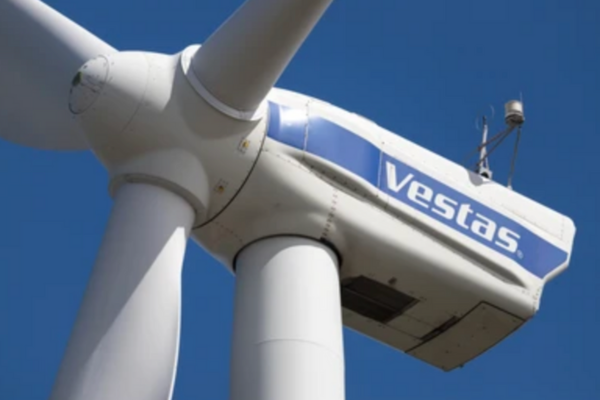
Why it fits: Vestas is often included in best renewable energy stocks lists because wind services can add recurring revenue.
What to watch: pricing cycles, project timing, and supply chain costs.
Sungrow Power Supply (300274.SZ)
Inverters are essential because they convert DC electricity into usable AC power and support grid integration. Wood Mackenzie reports that Huawei and Sungrow ranked first and second in global PV inverter shipments, together accounting for 55% of the market in 2024.
What to watch: inverter supply chains face increasing scrutiny in some regions. A Reuters report in 2025 highlighted security concerns related to unauthorised communication devices found in some Chinese made inverters.
What Could Move Renewable Energy Stocks In 2026
The performance of renewable energy stocks is often driven by a few macro and industry catalysts.
Interest Rates And Financing Conditions
Renewables are capital intensive. When financing costs rise, project returns can compress and valuations can weaken, particularly for owner operator and developer style stocks.
Grid Constraints And Connection Bottlenecks
Even when demand is strong, renewable projects can be delayed by transmission limits and interconnection queues. This is also why storage and grid upgrades are increasingly important.
Power Demand Trends
The IEA expects strong global electricity demand through 2026, and projects data centre electricity consumption to more than double by 2030 in its base case.
This supports long term power demand, but it can also stress grids and shape policy choices around generation mix.
Policy And Trade Risk
Renewable equipment and supply chains can be affected by tariffs, localisation rules, and security reviews. These policy shifts can move renewable stocks quickly even when long term demand remains intact.
How To Choose The Best Renewable Energy Stocks For Your Strategy
A simple way to organise renewable energy stocks is by business model:
- Owners and operators may look steadier when revenue is contracted through long term PPAs
- Developers can offer higher upside but face greater execution risk
- Equipment leaders can benefit from rapid deployment cycles, but competition and margin swings are common
Conclusion
Renewables are becoming everyday infrastructure, not just a future trend. Looking ahead, the most important thing is not to chase the most popular name. It is to understand what drives each business and how it handles financing costs, grid limitations, and execution.
Going into 2026, a balanced watchlist that combines renewable power producers with a few proven equipment leaders can be a practical way to stay exposed to the long term transition while managing risk.
Disclaimer: This content is provided for informational purposes only and does not constitute, and should not be construed as, financial, investment, or other professional advice. No statement or opinion contained here in should be considered a recommendation by Ultima Markets or the author regarding any specific investment product, strategy, or transaction. Readers are advised not to rely solely on this material when making investment decisions and should seek independent advice where appropriate.
Latest Articles



FOLLOW US






Ultima Markets is a member of The Financial Commission, an international independent body responsible for resolving disputes in the Forex and CFD markets.

All clients of Ultima Markets are protected under insurance coverage provided by Willis Towers Watson (WTW), a global insurance brokerage established in 1828, with claims eligibility up to US$1,000,000 per account.

Ultima Markets is the first United CFD broker to be part of the United Nations Global Compact.
FOLLOW US
TRADE WITH US
RISK DISCLOSURE
Risk Warning:
Trading leveraged financial products, including Contracts for Difference (CFDs), carries a high level of risk and may result in losses exceeding your initial investment. These products are not suitable for all investors and should only be traded with funds you can afford to lose. You do not own or have any rights to the underlying assets of these derivatives (e.g., entitlement to dividends). Please ensure you fully understand the associated risks. Before trading, consider your level of experience, investment objectives, and seek independent financial advice if necessary. Refer to our legal documents and disclosures before making any trading decisions.
General Advice Warning:
The information provided on this website is general in nature and does not take into account your personal objectives, financial situation, or needs. Before acting on any advice, you should assess its appropriateness in light of your individual circumstances and consult our legal documentation.
Regional Restrictions:
The information and services on this website are not intended for residents of certain jurisdictions, including but not limited to the United States, United Kingdom, Singapore, and any jurisdictions subject to international sanctions. For further information, please contact our customer support team.
Regulatory Information:
Ultima Markets is a trading name shared amongst multiple entities operating in various jurisdictions. These following entities are authorised to operate under the Ultima Markets brand and trademarks.
-
Ultima Markets UK Limited, reference number 470325, is authorised and regulated by the Financial Conduct Authority (FCA). Registered address: 1 Blossom Yard, Fourth Floor, London, E1 6RS, UNITED KINGDOM.
-
Ultima Markets Ltd is authorised and regulated by the Financial Services Commission (FSC) of Mauritius as a Full-Service Investment Dealer (excluding Underwriting), under licence number GB 23201593.
Registered address: 2nd Floor, The Catalyst, 40 Silicon Avenue, Ebene Cybercity, 72201, Mauritius.
-
Ultima Markets EU OÜ, incorporated in Estonia with registry code 17134727. Registered address: Harju maakond, Tallinn, Kristiine linnaosa, Seebi tn 1-1501, 11316. This entity does not offer regulated financial products or provide trading services.

Copyright © 2026 Ultima Markets Ltd. All rights reserved.
-

Messenger


Continue on Messenger
Take the conversation to your Messenger account. You can return anytime.
Scan the QR code and then send the message that appears in your Messenger.
Open Messenger on this device.
-

Instagram

Continue on Instagram
Take the conversation to your Instagram account. You can return anytime.
Scan the QR code to open Instagram. Follow @ultima_markets to send a DM.
Open Instagram on this device.
-

Live Chat
-

