This website is managed by Ultima Markets’ international entities, and it’s important to emphasise that they are not subject to regulation by the FCA in the UK. Therefore, you must understand that you will not have the FCA’s protection when investing through this website – for example:
You will not be guaranteed Negative Balance Protection
You will not be protected by FCA’s leverage restrictions
You will not have the right to settle disputes via the Financial Ombudsman Service (FOS)
You will not be protected by Financial Services Compensation Scheme (FSCS)
Any monies deposited will not be afforded the protection required under the FCA Client Assets Sourcebook. The level of protection for your funds will be determined by the regulations of the relevant local regulator.
Note: UK clients are kindly invited to visit https://www.ultima-markets.co.uk/. Ultima Markets UK expects to begin onboarding UK clients in accordance with FCA regulatory requirements in 2026.
If you would like to proceed and visit this website, you acknowledge and confirm the following:
1.The website is owned by Ultima Markets’ international entities and not by Ultima Markets UK Ltd, which is regulated by the FCA.
2.Ultima Markets Limited, or any of the Ultima Markets international entities, are neither based in the UK nor licensed by the FCA.
3.You are accessing the website at your own initiative and have not been solicited by Ultima Markets Limited in any way.
4.Investing through this website does not grant you the protections provided by the FCA.
5.Should you choose to invest through this website or with any of the international Ultima Markets entities, you will be subject to the rules and regulations of the relevant international regulatory authorities, not the FCA.
Ultima Markets wants to make it clear that we are duly licensed and authorised to offer the services and financial derivative products listed on our website. Individuals accessing this website and registering a trading account do so entirely of their own volition and without prior solicitation.
By confirming your decision to proceed with entering the website, you hereby affirm that this decision was solely initiated by you, and no solicitation has been made by any Ultima Markets entity.
Learn how to trade derivatives step by step, from what they are to where they trade, key product types and practical tips to use leverage more safely.
If you are trying to learn how to trade derivatives, it can feel like entering a very technical corner of the market. There are unfamiliar terms, different contract types and a lot of talk about leverage and margin.
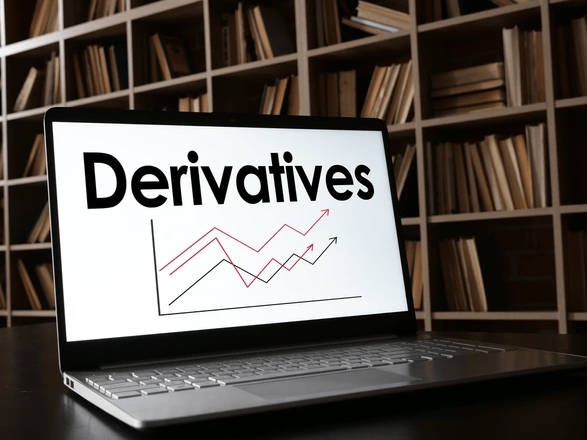
Underneath the jargon, a derivative is simply a contract that takes its value from something else. That “something” might be a stock index, a currency pair, a commodity or an interest rate. Once you understand how these contracts work and how your exposure is controlled, derivatives become another tool you can use rather than something to fear.
This guide explains what derivatives are, where they trade, the main product types, and a practical way to think about how to trade derivatives in real markets.
What Are Derivatives?
A derivative is a financial contract between two or more parties that gets its value from an underlying asset or market.
Common underlying assets include:
Stock indices and individual shares
Forex pairs such as EURUSD or USDJPY
Commodities such as gold, crude oil or wheat
Bonds and interest rates
When you open a derivative position, you are not usually buying the physical asset itself. You are speculating on its price movement through the contract. This structure lets you trade without owning the asset, go long or short and hedge existing positions. Many derivatives are also traded on margin, which means you only place a deposit instead of the full value.
Where And How Derivatives Trade
Derivatives are traded in two main ways. Knowing the difference helps you understand the landscape.
Over The Counter
Over the counter derivatives are privately agreed contracts between you and a provider. A contract for difference, often shortened to CFD, is a typical example.
Terms are set by the provider
The contract is a direct agreement between the two parties
Many retail products such as CFDs are over the counter instruments
Exchange Traded
Exchange traded derivatives are standardised contracts that trade on regulated exchanges.
Exchanges list futures and many options on indices, commodities and rates
Contract size and expiry dates are fixed
A clearing house sits in the middle and helps reduce counterparty risk
As a retail trader, you may access exchange traded contracts directly through a futures or options broker, or indirectly through CFDs that track the price of exchange listed markets.
Cash Settled And Physical Delivery
Derivatives also differ in how they settle at expiry.
Cash settled contracts pay or receive the difference between your contract price and the market price in cash. You never touch the underlying asset. Index derivatives and most CFDs fall into this group.
Physical delivery contracts require the actual underlying to be delivered or received at expiry. This is more relevant for producers and consumers who use the real asset, such as farmers or industrial buyers.
Most individual traders stick to cash settled products or close positions before expiry so they do not have to worry about storage or delivery.
Main Types Of Derivatives
There are many specialised contracts, but most individual traders mainly see these product types:
Futures Standardised exchange contracts to buy or sell an asset at a set price on a set future date. Common for indices, commodities and interest rates.
Options Contracts that give the right but not the obligation to buy or sell an underlying at a specific price before or on a specific date. Used for hedging and for defined risk strategies.
Contracts For Difference Over the counter contracts where you exchange the difference between the opening and closing price of a position. CFDs can track spot markets or even the price of an exchange listed future or option.
Forwards And Swaps Customised over the counter contracts widely used in institutional markets for currencies and interest rates. Retail traders usually meet them only indirectly.
You do not need to master every product. When you first learn how to trade derivatives, it is usually better to focus on one market and one or two product types.
How To Trade Derivatives And Why Traders Use Them
In practice, how you trade derivatives depends on why you are using them. Most traders have one or more of these goals:
Speculation on direction Take a view on whether a market will rise or fall without owning the underlying asset. If you expect an index to rise, you go long a derivative linked to that index. If you expect it to fall, you go short.
Trading rising and falling markets Derivatives make short selling straightforward, so there may be trading opportunities even when markets are weak, as long as you control your downside.
Using capital more efficiently Most derivative products are traded on margin. You put down a deposit that is a fraction of the total value, and your profit or loss is calculated on the full exposure. This can make your capital work harder, but it also means small price moves can have a large impact on your account.
Hedging existing positions Traders and investors can offset risk. For example, someone who holds oil related shares might sell an oil derivative if they worry about a short term drop in the oil price. If the price falls, gains on the hedge can help offset losses on the shares.
Once you know your main goal, you can follow a simple structure for how to trade derivatives in a more disciplined way.
1. Choose Your Market And Product
Pick a market you can follow, such as a major index, a liquid currency pair or a popular commodity. Then select a suitable derivative on that market, for example an index future or a CFD on that index or commodity. Keeping your focus narrow at the start makes it easier to gain experience.
2. Learn The Contract Specifications
Before you trade, make sure you understand:
Contract size
Tick value or minimum price movement
Margin requirement and typical leverage
Trading hours
Whether the contract is cash settled or physically delivered
You should know exactly how much money you gain or lose for a one point move. If that is not clear, do not trade that instrument yet.
3. Choose A Regulated Broker Or Platform
Select a provider with clear regulation, transparent fees and sensible leverage limits. Look for:
Information on spreads, commissions and overnight funding
Simple access to the markets and products you want to trade
Stable platforms and the order types you need, such as stop and limit orders
Avoid providers that are vague about costs or regulation, or that promise guaranteed results.
4. Build A Simple Trading Plan
A trading plan does not need to be complicated, but it must be clear. Decide in advance:
How you will enter trades
Where you will exit for profit and for loss
How much of your account you are willing to risk on each trade
How much overall leverage you are comfortable using
Writing this down helps you avoid emotional decisions when markets move quickly.
5. Practise On A Demo Account
Most platforms offer a demo account with virtual funds. Use it to:
Practise placing and closing trades
Watch how margin and profit or loss change as price moves
Test your plan in live market conditions without risking real money
Treat demo trading seriously. It is a low risk way to build confidence before you commit capital.
6. Start Small With Live Trades
When you are comfortable with the platform and your plan, start with small live trades:
Select your market and derivative
Decide whether to go long or short
Choose a modest position size that fits your risk limit
Place a stop loss at a sensible level
Open the trade and monitor it according to your plan
Review each trade afterward so you can see what worked, what did not and what to adjust next time.
Conclusion
Learning how to trade derivatives is about more than knowing names like futures or options. It is about understanding what these contracts are, where they trade and why traders use them, and then applying that knowledge with a simple, repeatable process.
If you take time to learn how each product works, keep your focus on a small number of markets and follow a straightforward trading plan, derivatives can become a controlled part of your trading toolkit rather than an intimidating source of risk.
Share Now
Disclaimer:This content is provided for informational purposes only and does not constitute, and should not be construed as, financial, investment, or other professional advice. No statement or opinion contained herein should be considered a recommendation by Ultima Markets or the author regarding any specific investment product, strategy, or transaction. Readers are advised not to rely solely on this material when making investment decisions and should seek independent advice where appropriate.
Thank you for visiting the Ultima Markets website. Please note that this website is intended for individuals residing in jurisdictions where access is permitted by law. Ultima and its affiliated entities do not operate in your home jurisdiction.
By clicking ‘Acknowledge’, you confirm that you are entering this website solely on your own initiative and not as a result of any specific marketing outreach. You wish to obtain information from this website based on reverse solicitation principles, in accordance with the applicable laws of your home jurisdiction.