This website is managed by Ultima Markets’ international entities, and it’s important to emphasise that they are not subject to regulation by the FCA in the UK. Therefore, you must understand that you will not have the FCA’s protection when investing through this website – for example:
You will not be guaranteed Negative Balance Protection
You will not be protected by FCA’s leverage restrictions
You will not have the right to settle disputes via the Financial Ombudsman Service (FOS)
You will not be protected by Financial Services Compensation Scheme (FSCS)
Any monies deposited will not be afforded the protection required under the FCA Client Assets Sourcebook. The level of protection for your funds will be determined by the regulations of the relevant local regulator.
Note: UK clients are kindly invited to visit https://www.ultima-markets.co.uk/. Ultima Markets UK expects to begin onboarding UK clients in accordance with FCA regulatory requirements in 2026.
If you would like to proceed and visit this website, you acknowledge and confirm the following:
1.The website is owned by Ultima Markets’ international entities and not by Ultima Markets UK Ltd, which is regulated by the FCA.
2.Ultima Markets Limited, or any of the Ultima Markets international entities, are neither based in the UK nor licensed by the FCA.
3.You are accessing the website at your own initiative and have not been solicited by Ultima Markets Limited in any way.
4.Investing through this website does not grant you the protections provided by the FCA.
5.Should you choose to invest through this website or with any of the international Ultima Markets entities, you will be subject to the rules and regulations of the relevant international regulatory authorities, not the FCA.
Ultima Markets wants to make it clear that we are duly licensed and authorised to offer the services and financial derivative products listed on our website. Individuals accessing this website and registering a trading account do so entirely of their own volition and without prior solicitation.
By confirming your decision to proceed with entering the website, you hereby affirm that this decision was solely initiated by you, and no solicitation has been made by any Ultima Markets entity.
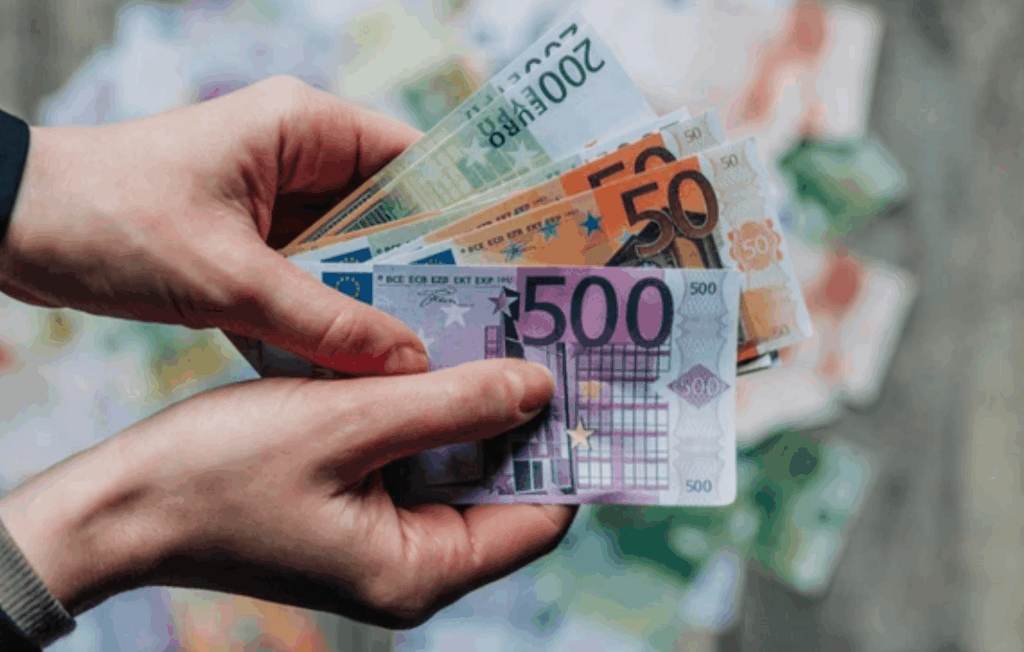
Find the best place to exchange currency. Compare banks, ATMs, online services, and travel cards, learn common fees, and see which places to avoid.
When preparing for travel or international transactions, finding the best place to exchange currency can save you a significant amount of money. Exchange rates and fees vary widely across providers, and a poor choice could cost you 7–15% more than necessary.
This guideline will break down the most cost-effective places to exchange currency, how to spot hidden fees, which providers to avoid, and how regional options differ across the US, Europe, and Asia.
Best Places to Exchange Currency
When deciding the best place to exchange currency, you want to balance cost, safety, and convenience. Banks, online services, and ATMs abroad usually provide better value than kiosks or hotels. Below are the most reliable options in 2025.
Banks and Credit Unions
Banks remain one of the most secure places to exchange money, especially if you plan ahead. Customers often get better rates by ordering cash online before travel. While fees exist, they are generally lower than what you’ll pay at airports or hotels. Best for security, advance orders, larger sums. Many banks let you pre-order online, locking in a better rate than walk-in counters.
Typical fees:
1–3% above mid-market rate
Flat service fee: $5–10 per transaction
Online Currency Services
Withdrawing cash at an ATM abroad can provide fair rates, but fees depend on both the ATM operator and your bank. Always choose to withdraw in local currency to avoid extra conversion charges. Best for transparent fees, near mid-market rates. Some fintechs offer multi-currency wallets that is handy if you’re trading across multiple markets.
Typical fees:
0.35–1% markup on exchange
No hidden costs (fees displayed upfront)
Foreign ATMs (Debit Card Withdrawals)
Withdrawing cash at an ATM abroad can provide fair rates, but fees depend on both the ATM operator and your bank. Always choose to withdraw in local currency to avoid extra conversion charges. Decline “conversion offers”, they hide a 3–6% markup.
Typical fees:
$2–5 ATM operator fee
1–3% foreign transaction fee
3–6% markup if you accept Dynamic Currency Conversion (DCC)
Prepaid Travel Cards
Prepaid travel cards allow you to load funds before your trip, locking in exchange rates in advance. They’re a safer option than carrying large amounts of cash and useful for budgeting. Useful for regions with volatile currencies that you can avoid sudden swings.
Typical fees:
1–2% load or reload fee
ATM withdrawal fee (varies by provider)
Possible inactivity fee if unused for long periods
Common Fees for Currency Exchange
No matter where you exchange money, providers make their profit through fees and hidden costs. Some are obvious, while others are buried in the exchange rate itself. Understanding these charges is essential if you want to avoid unnecessary losses.
Exchange rate markup: 1–3% at banks, 7–15% at airports.
Flat service fee: $5–10 per transaction in the US.
ATM withdrawal fees: $2–5, plus bank’s FX fee.
Foreign transaction fee: 1–3% on most credit/debit cards.
Hidden “convenience fees”: Common at hotels and kiosks.
Places to Avoid When Exchanging Currency
Not every currency exchange option is created equal. Some providers rely on urgency and convenience to charge much higher rates. Here are the places you should avoid.
Airport Currency Exchange Kiosks
Airports are the most expensive place to exchange money because travellers often arrive unprepared. Providers know this and take advantage with steep markups.
Why avoid: 7–15% higher than mid-market rates
Extra costs: Hidden service fees, poor exchange transparency
Exchanging $1,000 at an airport can cost you $70–$150 more than using a bank or online service
Hotel Front Desks
Hotels offer currency exchange as a convenience, but it comes with inflated costs. Rates are usually uncompetitive because hotels are not financial institutions.
Why avoid: 5–10% worse rates than banks
Extra costs: “Convenience charges” included in the rate
You’re paying for service, not financial value
Tourist Hotspots and Street Kiosks
Exchange offices in busy tourist areas thrive on one-time customers who don’t compare rates. They often advertise “no fee” but hide profit inside the exchange rate.
Why avoid: Inflated rates, hidden costs
Extra risks: Some kiosks may use misleading boards or charge last-minute service fees
Always compare with the mid-market rate before handing over money
Conclusion
Choosing the best place to exchange currency can make a big difference in how much money you keep in your pocket. Banks, online services, and foreign ATMs generally offer better rates and lower fees compared to airports, hotels, and tourist kiosks. By planning ahead, comparing rates with the mid-market, and avoiding hidden charges like Dynamic Currency Conversion, you’ll save significantly over time.
For traders, managing exchange costs isn’t just about convenience, it’s about maximising value. At Ultima Markets, we share the same philosophy in trading: transparency, efficiency, and informed decision-making. Just as you look for the best rate when exchanging currency, traders rely on fair pricing and trusted platforms to capture every market opportunity.
Share Now
Disclaimer:This content is provided for informational purposes only and does not constitute, and should not be construed as, financial, investment, or other professional advice. No statement or opinion contained herein should be considered a recommendation by Ultima Markets or the author regarding any specific investment product, strategy, or transaction. Readers are advised not to rely solely on this material when making investment decisions and should seek independent advice where appropriate.
Thank you for visiting the Ultima Markets website. Please note that this website is intended for individuals residing in jurisdictions where access is permitted by law. Ultima and its affiliated entities do not operate in your home jurisdiction.
By clicking ‘Acknowledge’, you confirm that you are entering this website solely on your own initiative and not as a result of any specific marketing outreach. You wish to obtain information from this website based on reverse solicitation principles, in accordance with the applicable laws of your home jurisdiction.