Hungary’s Recent Benchmark Interest Rate Cut and Economic Dynamics
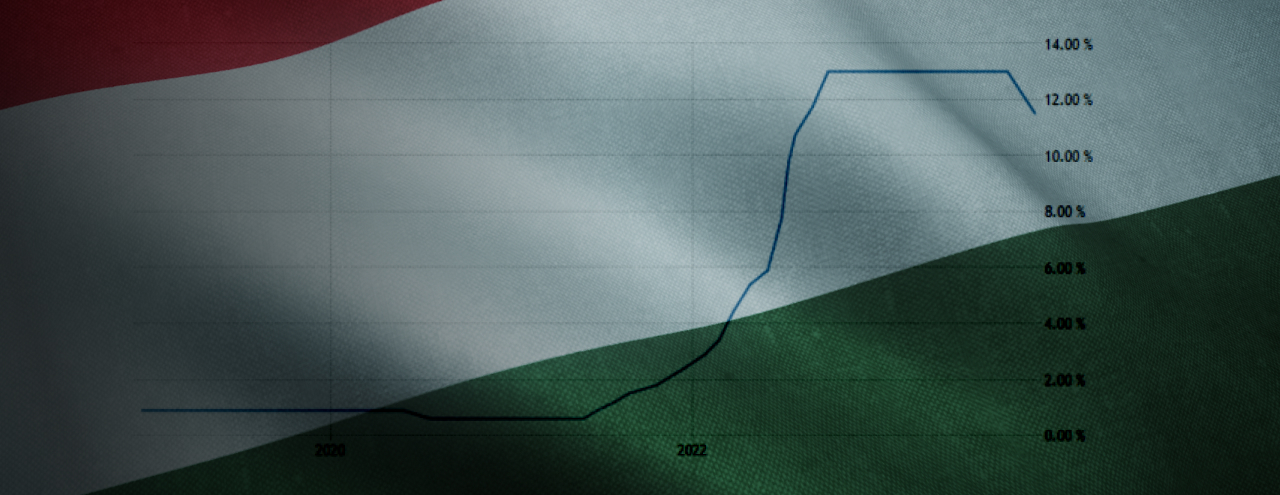
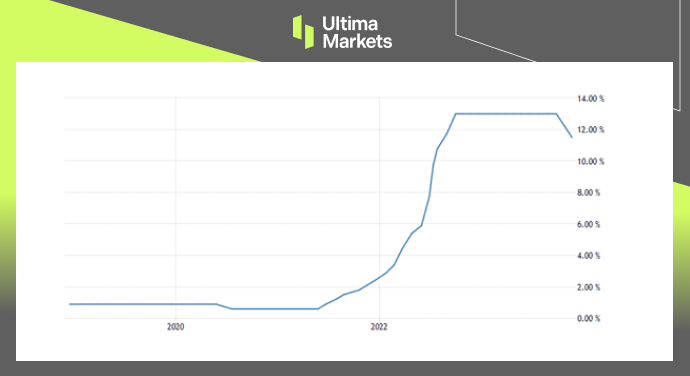
In a decisive move on November 21, the National Bank of Hungary (NBH) implemented a 75 basis points reduction in the benchmark interest rate, bringing it to 11.5%.
This strategic decision, made amidst pressure for further rate cuts from the government, reflects the delicate balance between stimulating economic growth and maintaining cautious monetary policies.
Hungary’s Inflation Dynamics
Hungary currently grapples with the highest inflation rate in the European Union. Initially peaking at a staggering 25% in the first quarter, inflation has gradually eased to 9.9% last month, defying earlier forecasts.
Despite this decrease, the NBH remains vigilant, emphasizing a gradual approach to rate adjustments.
NBH’s Response to Inflation Trends
As Hungary’s inflation rate descended from its peak, the NBH responded with significant adjustments, slashing interest rates by a cumulative 650 basis points since May.
Despite these efforts, Hungary’s benchmark rate of 11.5% remains the highest among European Union members.
(Hungary Base Rate, National Bank of Hungary)
Core Inflation Challenges
While headline inflation witnessed a decline in October, core inflation persisted in double digits, posing challenges to the economic landscape. Notably, service prices surged by 13.2% annually, indicating robust underlying pressures amid a backdrop of recovering real wages.
Economic Outlook and Challenges
Despite the NBH’s proactive measures, Hungary’s economy faces potential stagnation or even recession in the current year. This sobering reality contradicts the government’s growth aspirations, highlighting the intricate dynamics at play in the nation’s economic landscape.
Future Interest Rate Cut Speculations
Looking ahead, there is speculation regarding a potential 75 basis points reduction at the December meeting, potentially bringing the base rate to 10.75%.
This aligns with both survey projections and the forecasts of key figures like Gyula Pleschinger, a member of the monetary policy council, who hinted at such a move in a Reuters interview back in September.