Crude Oil Prices: Navigating the Current Landscape
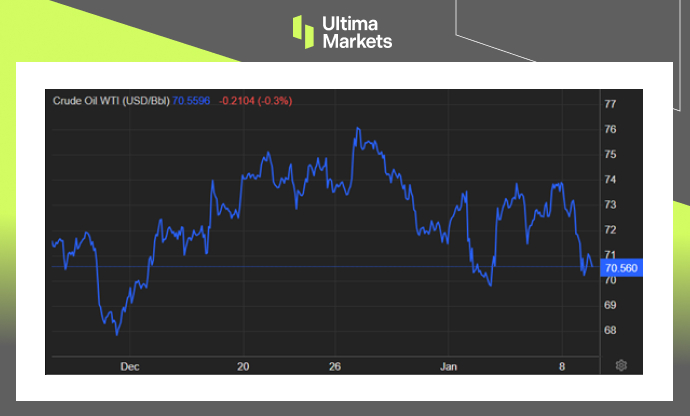
The global crude oil market witnessed a significant downturn on Monday, with WTI crude futures experiencing a 5% decline, bringing prices closer to $70 per barrel.
This unexpected shift can be attributed to strategic price reductions implemented by Saudi Arabia and a notable surge in OPEC output, which overshadowed geopolitical tensions in the Middle East.
Let’s delve into the key factors shaping the current landscape of the crude oil market.
Saudi Arabia’s Strategic Price Reductions
n a surprising move, Saudi Arabia announced a reduction in the February official selling price (OSP) of its primary Arab Light crude for Asia. Slashing it by $2 to $1.50 a barrel below the benchmark, this decision marked the lowest level in 27 months, leading to a significant 5% decline in WTI crude futures on Monday.
OPEC’s Output Surge
Reports from Reuters revealed that OPEC raised its total oil production in December by 70,000 barrels per day to 27.88 million barrels. This increase was driven by individual outputs from Iraq, Angola, and Nigeria, offsetting the output reductions initiated by Saudi Arabia and other OPEC+ producers.
(WTI Crude USD/Bbl, One-month Chart)
US Oil Rig Count and Future Expectations
In the United States, the oil rig count rose to 501 last week, with analysts anticipating the addition of over 20 more rigs throughout the year. This rise in rig count signifies the industry’s response to market conditions, further contributing to the intricate balance of global oil dynamics.
Geopolitical Tensions and Market Sensitivity
While geopolitical tensions escalate in the Middle East, particularly with warnings from US Secretary of State, Anthony Blinken about the potential worsening of the Gaza conflict, the oil market remains on high alert. The crude oil market is intricately tied to the interplay between supply and demand shifts, political instability, and strategic choices made by major oil producers.
Key Metrics and Market Insights
To stay informed about the latest developments in the crude oil market, consider exploring real-time Crude Oil futures price data and key metrics on Investing.com. MarketWatch provides a comprehensive overview of Crude Oil WTI futures on MarketWatch, offering insights into futures pricing and commodity market news.
For efficient trading of the largest light, sweet crude oil blend, explore WTI Crude Oil futures and options on CME Group. Additionally, CNBC provides real-time stock quotes, news, and financial information for WTI Crude (Feb’24) on the New York Mercantile Exchange.
Gain direct exposure to the crude oil market using CME Group West Texas Intermediate (WTI) Light Sweet Crude Oil futures with the latest prices, charts, and quotes available on Barchart.com. Stay updated on oil price charts and futures indexes on OilPrice.com, featuring WTI Crude and Brent Crude metrics.
Frequently Asked Questions
Q: How are geopolitical tensions impacting crude oil prices?
A: Geopolitical tensions, while significant, are currently taking a backseat to factors like OPEC output decisions and global production dynamics.
Q: What is the significance of Saudi Arabia’s recent price reductions?
A: Saudi Arabia’s reduction in the official selling price reflects a strategic move to maintain competitiveness in the market.
Q: What factors influence oil prices the most?
A: Oil prices are influenced by a combination of geopolitical tensions, production decisions by major oil-producing nations, and global supply and demand shifts.
Q: How can I stay informed about OPEC decisions?
A: Follow reputable financial news sources such as CNBC and MarketWatch for the latest updates on OPEC decisions.
Conclusion: Navigating the Complex Crude Oil Landscape
The crude oil market is experiencing a delicate balance between geopolitical tensions and strategic decisions by major oil-producing nations. Stay updated on real-time data and key metrics to make informed decisions in this dynamic market.