
Ultima Markets App
Trade Anytime, Anywhere





Important Information
This website is managed by Ultima Markets’ international entities, and it’s important to emphasise that they are not subject to regulation by the FCA in the UK. Therefore, you must understand that you will not have the FCA’s protection when investing through this website – for example:
- You will not be guaranteed Negative Balance Protection
- You will not be protected by FCA’s leverage restrictions
- You will not have the right to settle disputes via the Financial Ombudsman Service (FOS)
- You will not be protected by Financial Services Compensation Scheme (FSCS)
- Any monies deposited will not be afforded the protection required under the FCA Client Assets Sourcebook. The level of protection for your funds will be determined by the regulations of the relevant local regulator.
Note: Ultima Markets is currently developing a dedicated website for UK clients and expects to onboard UK clients under FCA regulations in 2026.
If you would like to proceed and visit this website, you acknowledge and confirm the following:
- 1.The website is owned by Ultima Markets’ international entities and not by Ultima Markets UK Ltd, which is regulated by the FCA.
- 2.Ultima Markets Limited, or any of the Ultima Markets international entities, are neither based in the UK nor licensed by the FCA.
- 3.You are accessing the website at your own initiative and have not been solicited by Ultima Markets Limited in any way.
- 4.Investing through this website does not grant you the protections provided by the FCA.
- 5.Should you choose to invest through this website or with any of the international Ultima Markets entities, you will be subject to the rules and regulations of the relevant international regulatory authorities, not the FCA.
Ultima Markets wants to make it clear that we are duly licensed and authorised to offer the services and financial derivative products listed on our website. Individuals accessing this website and registering a trading account do so entirely of their own volition and without prior solicitation.
By confirming your decision to proceed with entering the website, you hereby affirm that this decision was solely initiated by you, and no solicitation has been made by any Ultima Markets entity.
I confirm my intention to proceed and enter this website Please direct me to the website operated by Ultima Markets , regulated by the FCA in the United Kingdom

What Is the Trump 401k Crypto Proposal?
In August 2025, President Donald J. Trump signed an executive order called “Democratizing Access to Alternative Assets for 401(k) Investors.” The Trump 401k crypto proposal directs U.S. regulators to review existing rules that restrict retirement plans from including alternative investments such as cryptocurrencies, private equity, and real estate.
The order specifically calls on the Department of Labor (DOL), the Treasury Department, and the Securities and Exchange Commission (SEC) to create a new framework that allows 401(k) participants to diversify beyond traditional assets like stocks and bonds.
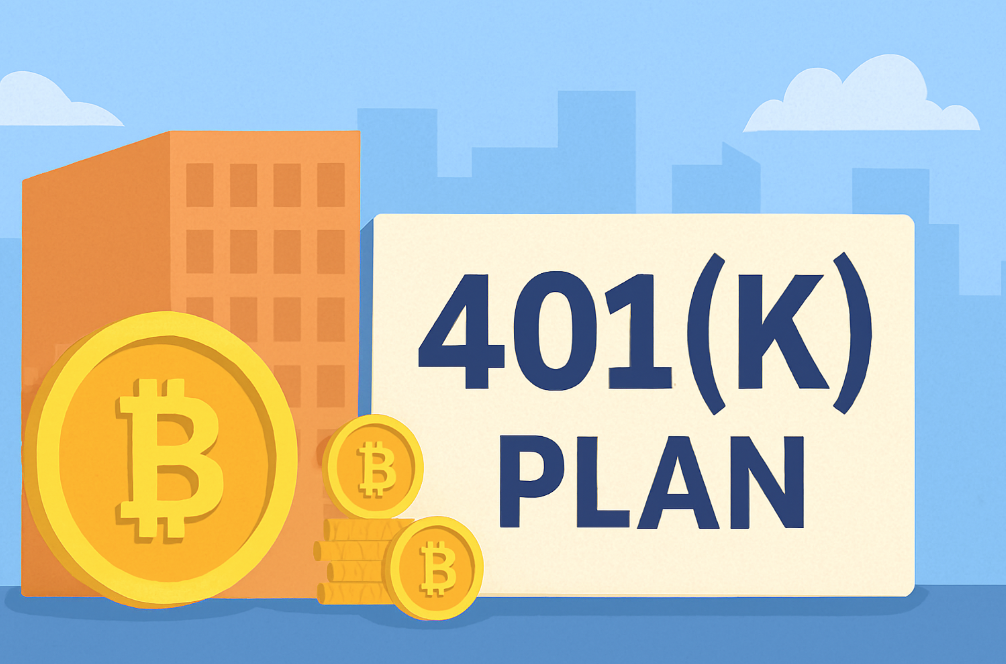
Overview of the 2025 Executive Order
The 2025 executive order represents one of the biggest potential shifts in retirement investing in decades.
It instructs the DOL to reassess its fiduciary guidance issued in 2022, which warned plan sponsors against offering crypto in 401(k) plans.
That prior warning has now been formally rescinded, signaling a more open attitude toward digital assets in retirement accounts.
The order also emphasizes the importance of investor education and fiduciary protection, ensuring that any 401(k) plan offering crypto or other alternative assets must meet strict transparency and valuation standards.
In short, Trump’s directive doesn’t make crypto an automatic 401(k) option. It removes previous barriers and begins the process of building the legal and custodial infrastructure for it.
Goals of “Democratizing Access to Alternative Assets”
The main goal of the Trump 401k crypto initiative is to expand investment freedom for American workers.
According to the policy outline, the administration aims to:
- Diversify retirement options beyond mutual funds and ETFs
- Level the playing field so average savers can access investments once limited to institutions
- Encourage innovation in financial products, including crypto-linked funds
- Boost long-term returns by introducing asset classes with different risk profiles
Supporters believe this could modernize the U.S. retirement system and align it with global trends in digital asset adoption and private-market investing.
Is Crypto Allowed in 401(k)s?
As of late 2025, crypto is not yet widely allowed in 401(k) plans, but the situation is evolving. Most traditional retirement plans still limit investments to mutual funds, ETFs, and bond portfolios. However, some providers already offer brokerage windows that allow access to Bitcoin or Ethereum ETFs, creating an indirect form of crypto exposure.
The Trump 401k initiative doesn’t instantly legalize crypto holdings in every plan, but it signals a regulatory green light for financial institutions to begin designing compliant options.
What Alternative Assets Are Allowed in a Trump 401k?
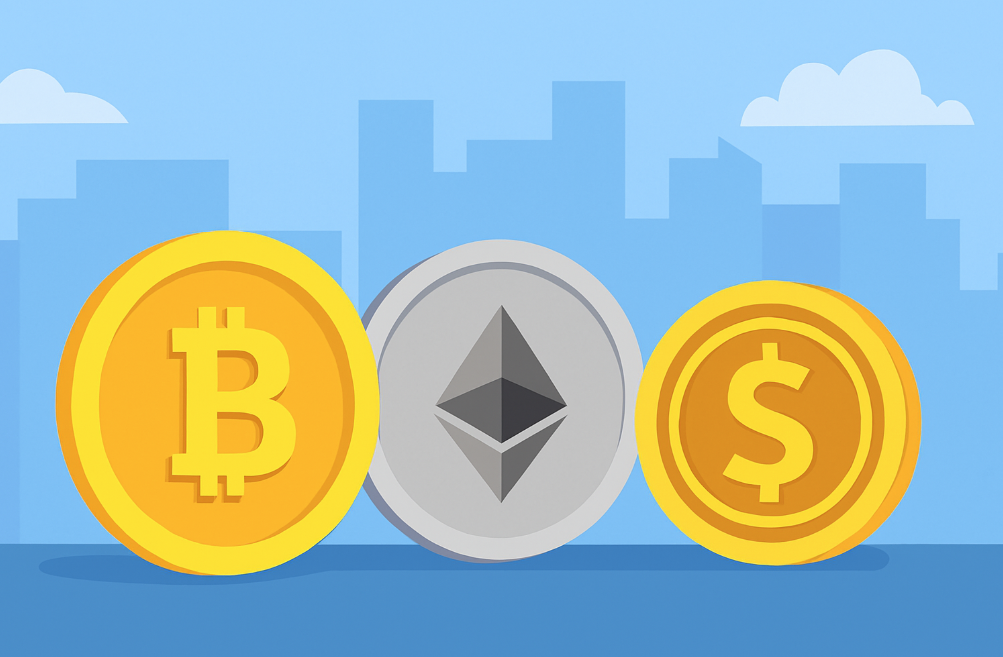
The Trump executive order encourages regulators to make alternative assets more accessible to retirement savers. These could include:
- Cryptocurrencies and digital assets such as Bitcoin, Ethereum, or stablecoins.
- Private equity and private credit, offering access to non-public market opportunities.
- Real estate and infrastructure projects that generate long-term yield.
- Hedge fund and venture-capital style portfolios, provided fiduciary rules are met.
However, these inclusions must comply with ERISA fiduciary standards, meaning plan sponsors are responsible for evaluating risks, liquidity, valuation methods, and participant suitability.
Experts expect gradual implementation, with possible pilot programs before widespread rollout. Fiduciaries may also cap exposure to alternatives at 5–10% of total retirement assets to manage volatility.
Can I Buy XRP Crypto Through My 401(k)?
As of October 2025, you cannot directly buy XRP through a 401(k) plan. Most retirement accounts still restrict direct crypto holdings. However, you may gain indirect XRP exposure through digital-asset funds or crypto ETFs if your plan’s brokerage window allows such investments under updated Department of Labor rules.
There are several reasons why you cannot buy through 401k plan:
- Custody and compliance: 401(k) recordkeepers and trustees are not yet equipped to handle individual crypto wallets.
- Regulatory clarity: XRP’s legal classification remains debated due to its past SEC litigation.
- Fiduciary risk: Plan sponsors may initially restrict offerings to large, regulated assets like Bitcoin or Ethereum ETFs.
How the Trump 401k Policy Could Change Retirement Investing
The Trump 401k crypto policy could mark one of the most significant shifts in U.S. retirement investing since the creation of 401(k) plans. By removing barriers to alternative assets, the new framework could broaden diversification options and reshape how Americans build wealth for retirement.
Greater Diversification for 401(k) Investors
Traditionally, retirement portfolios have focused on mutual funds, ETFs, and bonds. Under the Trump 401k proposal, plan sponsors may soon include digital assets, private equity, and real estate funds, giving savers exposure to high-growth opportunities previously limited to institutional investors.
Democratizing Access to Innovation
The initiative’s name, Democratizing Access to Alternative Assets highlights its intention to make sophisticated investments accessible to everyday Americans. Allowing digital-asset exposure could help participants hedge against inflation and currency risk while modernizing retirement plans to reflect today’s investment landscape.
Shifting Fiduciary Responsibilities
Plan fiduciaries will have a larger role in evaluating crypto-related funds and ensuring participants understand the risks. That means greater emphasis on education, disclosure, and prudence, aligning with updated Department of Labor (DOL) standards.
What Are the Risks of Including Crypto in Your 401(k)?
While the idea of investing in crypto through a 401(k) may sound appealing, it carries notable risks that investors should understand before allocating funds.
Volatility and Market Uncertainty
Cryptocurrencies are highly volatile, often swinging 10–20% in a single day. This unpredictability makes them riskier than traditional retirement assets such as bonds or index funds.
Custody and Security Concerns
Managing crypto within a 401(k) requires secure custody solutions to prevent hacks or asset loss. Plan administrators must ensure institutional-grade cold storage and regulatory compliance — still a developing area.
Valuation and Liquidity Challenges
Unlike publicly traded securities, many digital assets lack standardized valuation metrics and have limited liquidity, which complicates daily pricing and withdrawals.
Fiduciary and Regulatory Risk
Even with Trump’s executive order, the Department of Labor and SEC still expect fiduciaries to justify crypto exposure as prudent. Improper management could trigger legal or compliance issues under ERISA law.
Emotional and Behavioral Risks
Investors unfamiliar with crypto’s volatility may overreact to price movements, leading to poor long-term decisions. Financial literacy and education remain crucial for success.
How to Prepare for the Trump 401k Changes
The Trump 401k policy is still in the early stages of rollout, but investors and plan sponsors can start preparing now.
Stay Informed on Regulatory Updates
Follow announcements from the Department of Labor (DOL), SEC, and Treasury as they finalize frameworks for digital-asset inclusion in retirement accounts.
Review Your Plan’s Investment Options
Ask your 401(k) provider if your plan includes a brokerage window or allows access to crypto ETFs. Some platforms already offer exposure to Bitcoin and Ethereum ETFs, which may expand further in 2026.
Educate Yourself on Alternative Assets
Before investing, learn about crypto’s fundamentals, volatility, and tax treatment. Understanding how blockchain technology and digital-asset markets work can help you make informed choices.
Diversify, Don’t Overexpose
If your plan eventually adds crypto options, consider limiting exposure to 5–10% of your total portfolio. The rest should remain in diversified, lower-risk investments.
Work With a Fiduciary Advisor
Consult a financial advisor or fiduciary planner experienced in crypto and retirement strategies. They can guide allocation levels and ensure compliance with fiduciary standards.
Expert Opinions and Industry Reactions
Financial experts have expressed mixed reactions to the Trump 401k crypto policy, highlighting both potential benefits and risks.
Supporters See Innovation and Access
Supporters argue that the move empowers individuals to take greater control of their financial futures. They believe crypto inclusion could boost long-term returns and align the U.S. with global innovation trends, especially as more countries adopt digital assets.
“This could be the modernization U.S. retirement investing needs,” said one industry strategist. “It’s about time retirement savers get exposure to the same opportunities as institutions.”
Critics Warn of Volatility and Compliance Risks
Skeptics, however, caution that crypto’s extreme volatility and uncertain regulation could jeopardize retirement savings. The DOL’s 2022 cautionary stance remains a reminder that fiduciaries must balance innovation with investor protection.
Financial Institutions Adopting a Wait-and-See Approach
Many 401(k) providers and asset managers are closely monitoring how regulators define “safe harbor” rules for crypto investments. Most are expected to pilot crypto ETFs or hybrid funds first, rather than direct token offerings like XRP or Solana.
Conclusion
The Trump 401k crypto initiative signals a new era for retirement investing, one that embraces innovation, diversification, and financial inclusion. By easing restrictions on alternative assets, the policy opens the door for cryptocurrencies, private markets, and digital funds to gradually enter mainstream 401(k) plans.
While investors can’t yet directly buy tokens like XRP or Bitcoin within most 401(k)s, the ongoing regulatory shift from the Department of Labor (DOL) and SEC suggests that digital-asset access will expand over the coming years. This means future retirement portfolios could blend traditional funds with regulated crypto ETFs, giving savers a broader mix of growth and protection.
Still, crypto trading within retirement accounts demands prudence. Volatility, custody risks, and fiduciary oversight remain central challenges. Whether you’re an active crypto trader or a long-term 401(k) investor, one principle remains constant, diversification and discipline are your strongest tools in adapting to the future of finance.
Disclaimer: This content is provided for informational purposes only and does not constitute, and should not be construed as, financial, investment, or other professional advice. No statement or opinion contained here in should be considered a recommendation by Ultima Markets or the author regarding any specific investment product, strategy, or transaction. Readers are advised not to rely solely on this material when making investment decisions and should seek independent advice where appropriate.
Latest Articles



FOLLOW US






Ultima Markets is a member of The Financial Commission, an international independent body responsible for resolving disputes in the Forex and CFD markets.

All clients of Ultima Markets are protected under insurance coverage provided by Willis Towers Watson (WTW), a global insurance brokerage established in 1828, with claims eligibility up to US$1,000,000 per account.

Ultima Markets is the first United CFD broker to be part of the United Nations Global Compact.
FOLLOW US
TRADE WITH US
RISK DISCLOSURE
Risk Warning:
Trading leveraged financial products, including Contracts for Difference (CFDs), carries a high level of risk and may result in losses exceeding your initial investment. These products are not suitable for all investors and should only be traded with funds you can afford to lose. You do not own or have any rights to the underlying assets of these derivatives (e.g., entitlement to dividends). Please ensure you fully understand the associated risks. Before trading, consider your level of experience, investment objectives, and seek independent financial advice if necessary. Refer to our legal documents and disclosures before making any trading decisions.
General Advice Warning:
The information provided on this website is general in nature and does not take into account your personal objectives, financial situation, or needs. Before acting on any advice, you should assess its appropriateness in light of your individual circumstances and consult our legal documentation.
Regional Restrictions:
The information and services on this website are not intended for residents of certain jurisdictions, including but not limited to the United States, United Kingdom, Singapore, and any jurisdictions subject to international sanctions. For further information, please contact our customer support team.
Regulatory Information:
Ultima Markets is a trading name shared amongst multiple entities operating in various jurisdictions. These following entities are authorised to operate under the Ultima Markets brand and trademarks.
-
Ultima Markets UK Limited, reference number 470325, is authorised and regulated by the Financial Conduct Authority (FCA). Registered address: 1 Blossom Yard, Fourth Floor, London, E1 6RS, UNITED KINGDOM.
-
Ultima Markets Ltd is authorised and regulated by the Financial Services Commission (FSC) of Mauritius as a Full-Service Investment Dealer (excluding Underwriting), under licence number GB 23201593.
Registered address: 2nd Floor, The Catalyst, 40 Silicon Avenue, Ebene Cybercity, 72201, Mauritius.

Copyright © 2025 Ultima Markets Ltd. All rights reserved.
-

Messenger


Continue on Messenger
Take the conversation to your Messenger account. You can return anytime.
Scan the QR code and then send the message that appears in your Messenger.
Open Messenger on this device.
-

Instagram

Continue on Instagram
Take the conversation to your Instagram account. You can return anytime.
Scan the QR code to open Instagram. Follow @ultima_markets to send a DM.
Open Instagram on this device.
-

Live Chat
-

